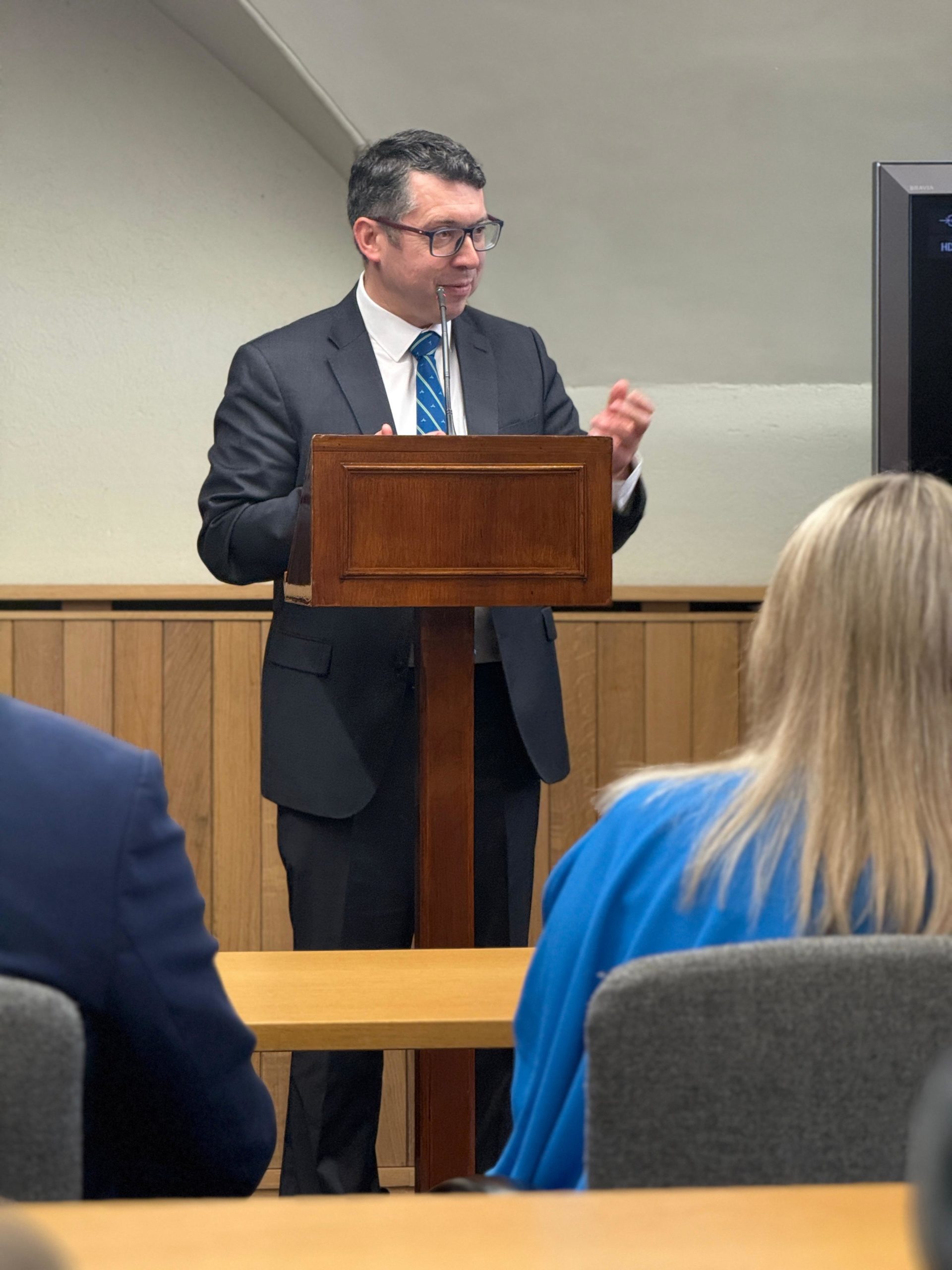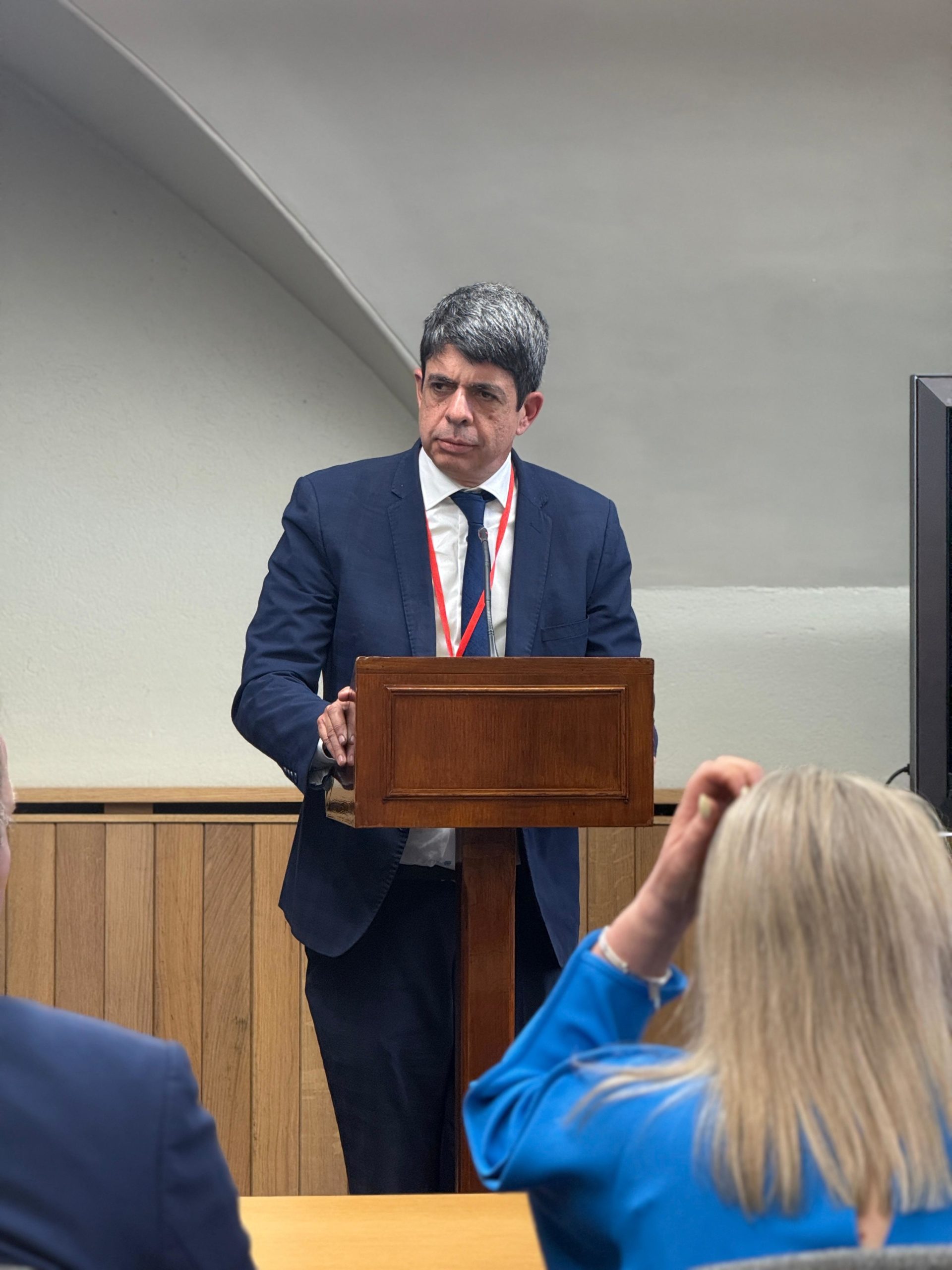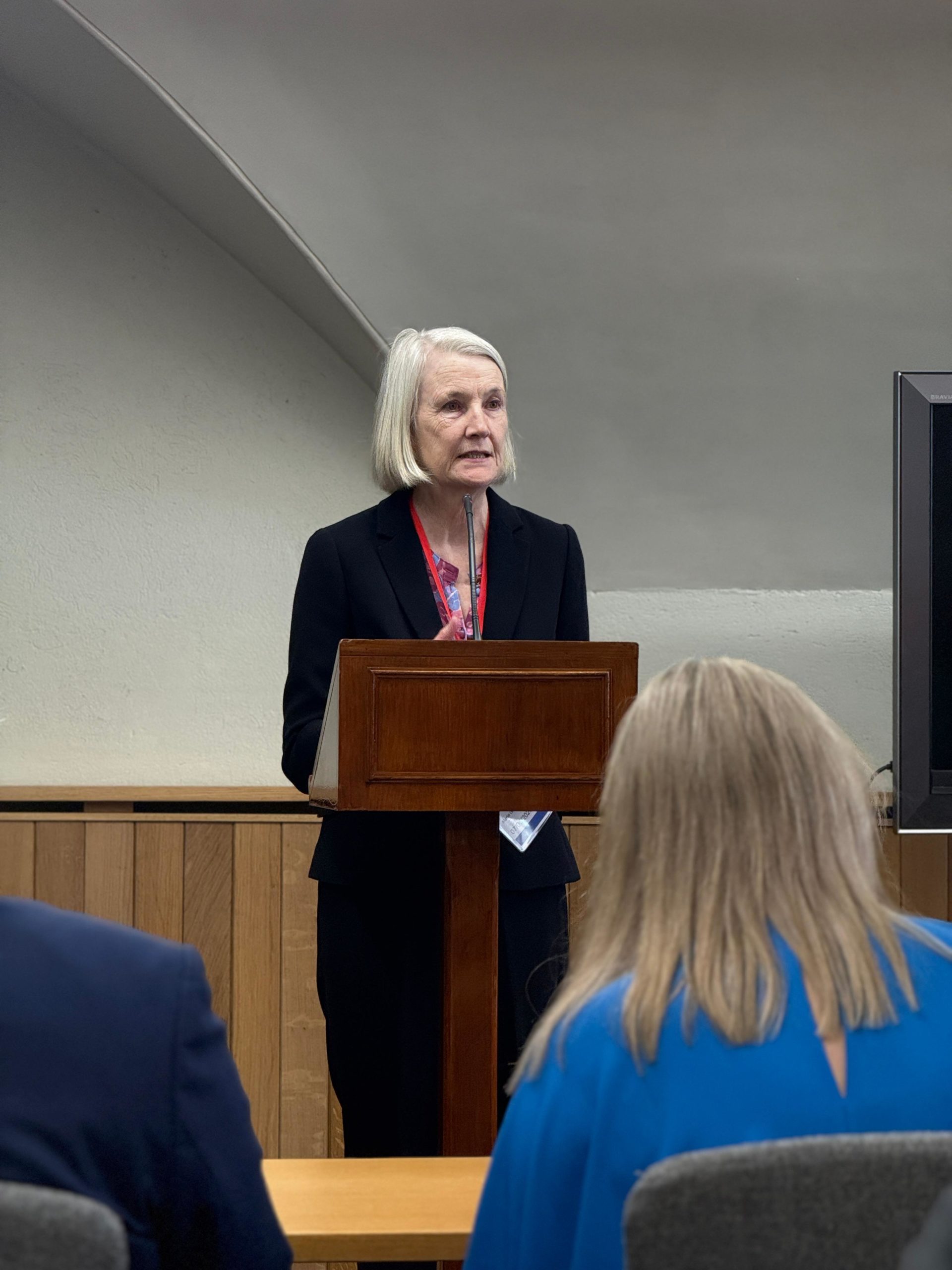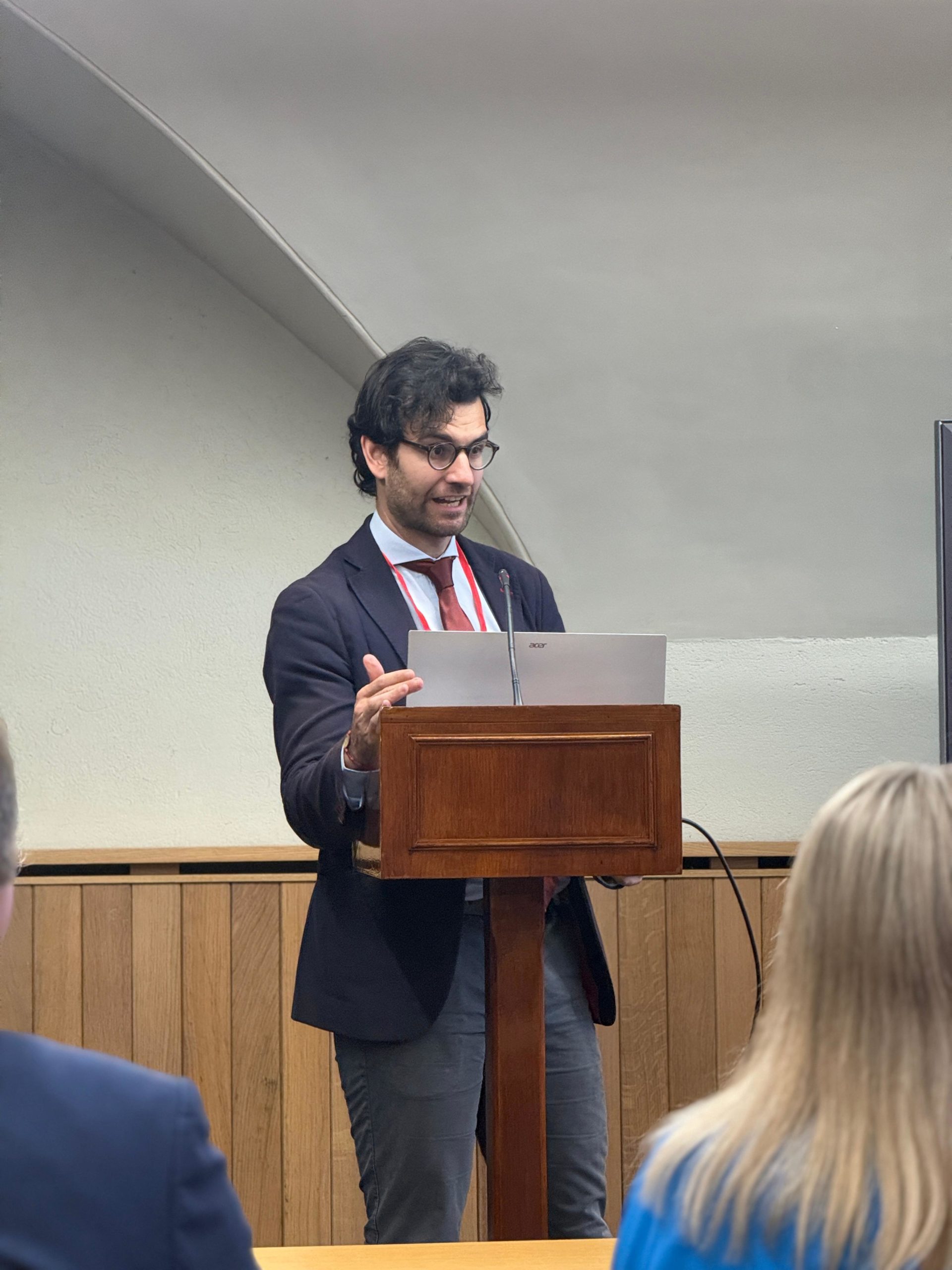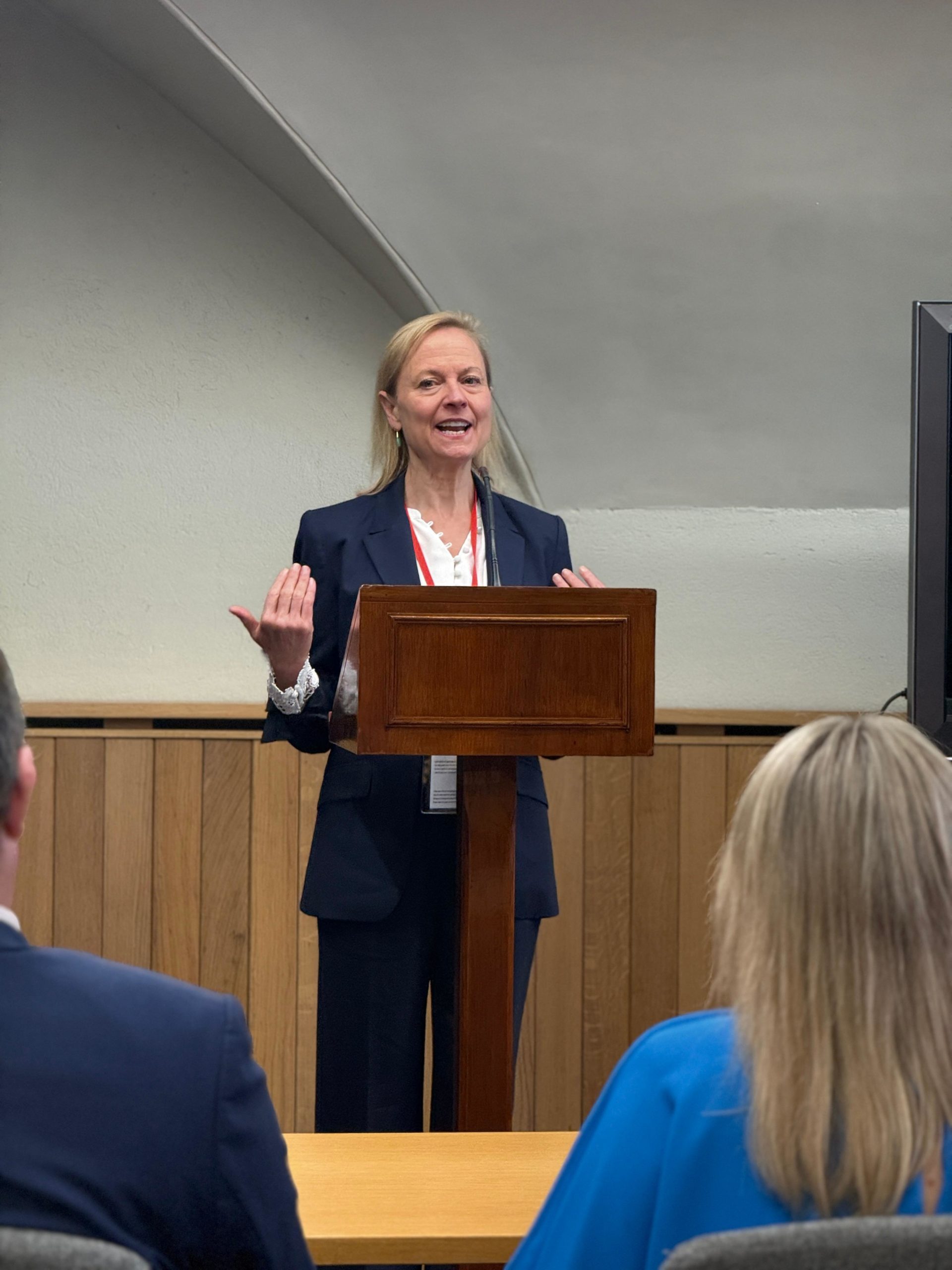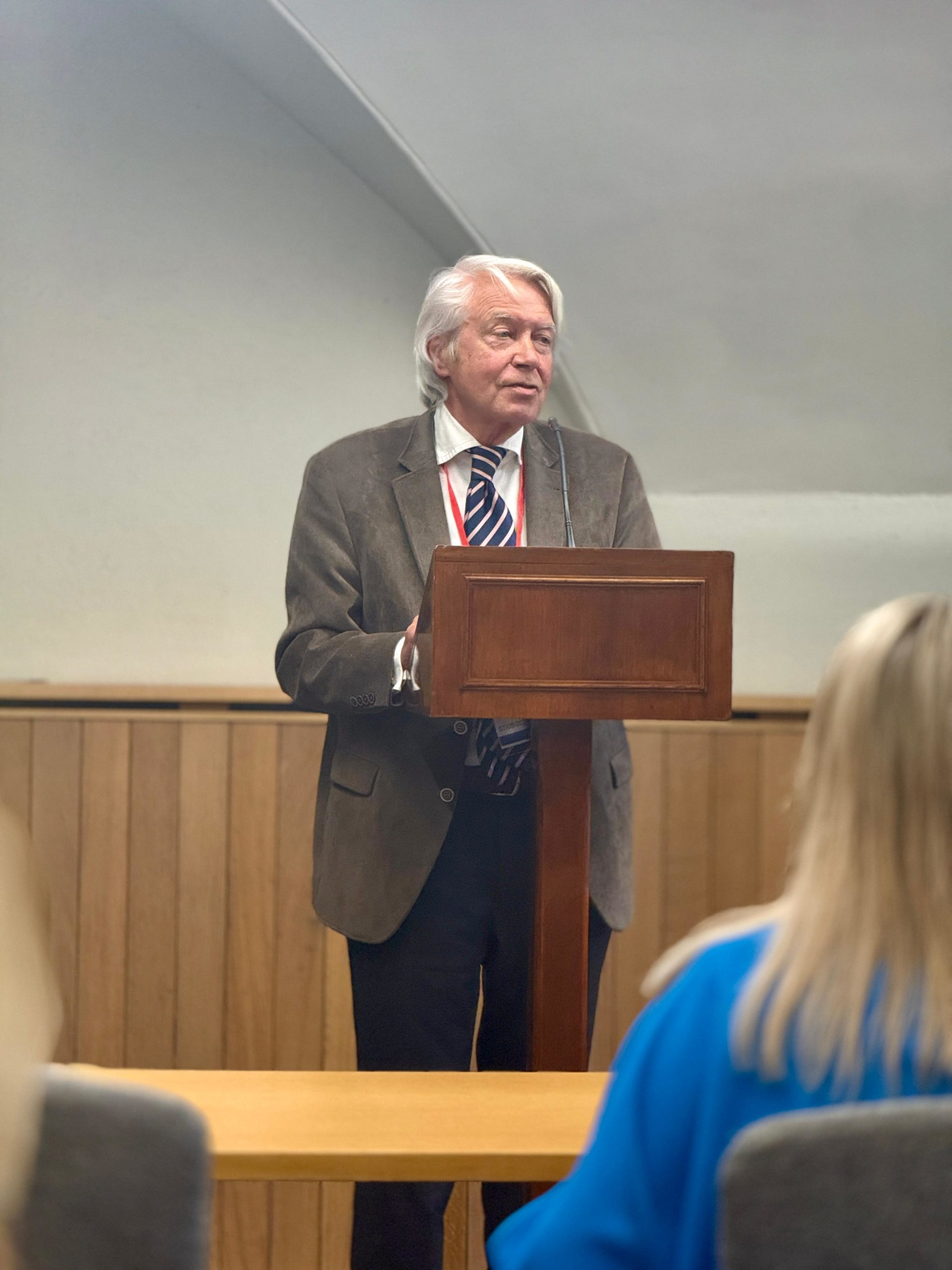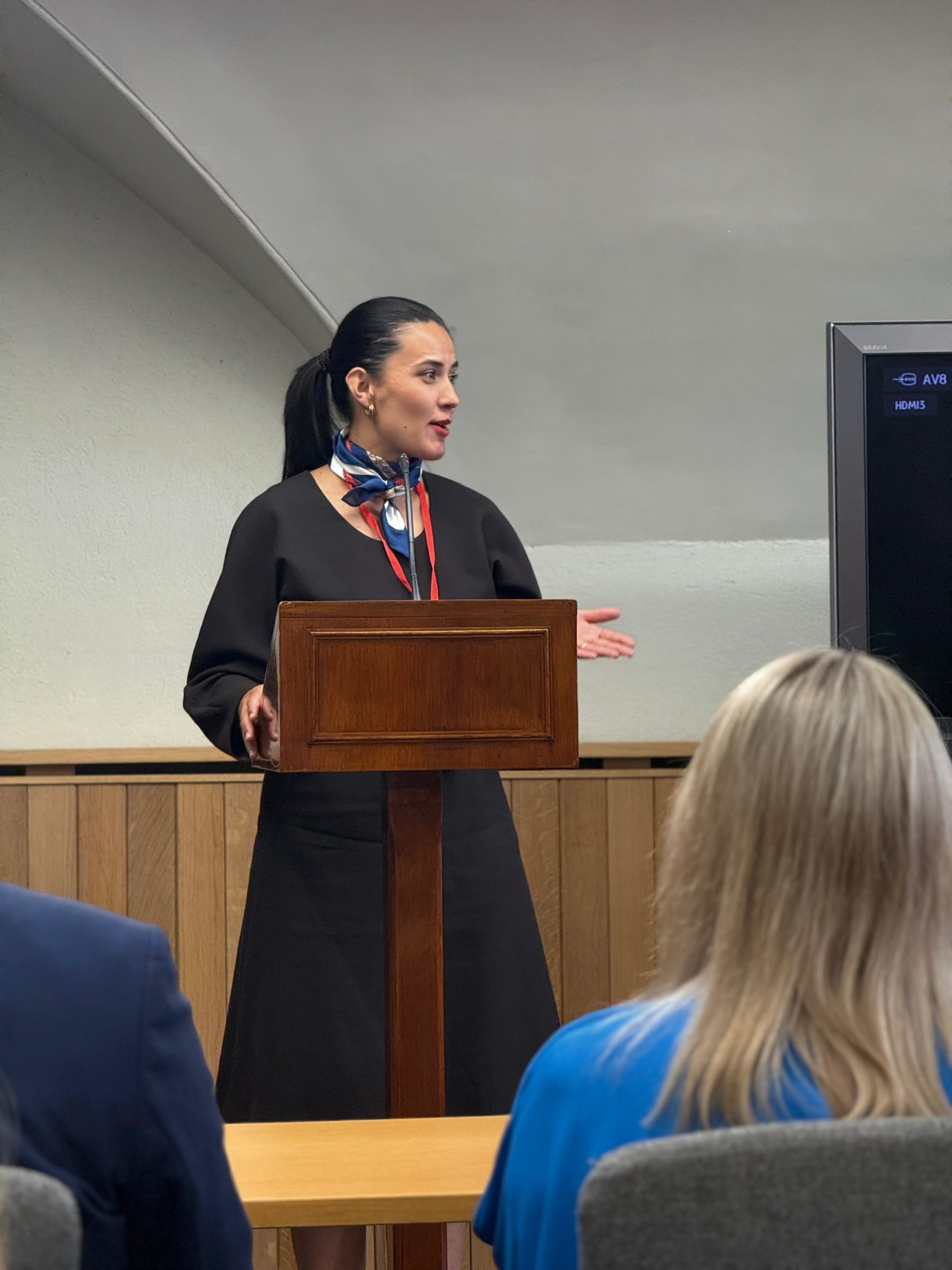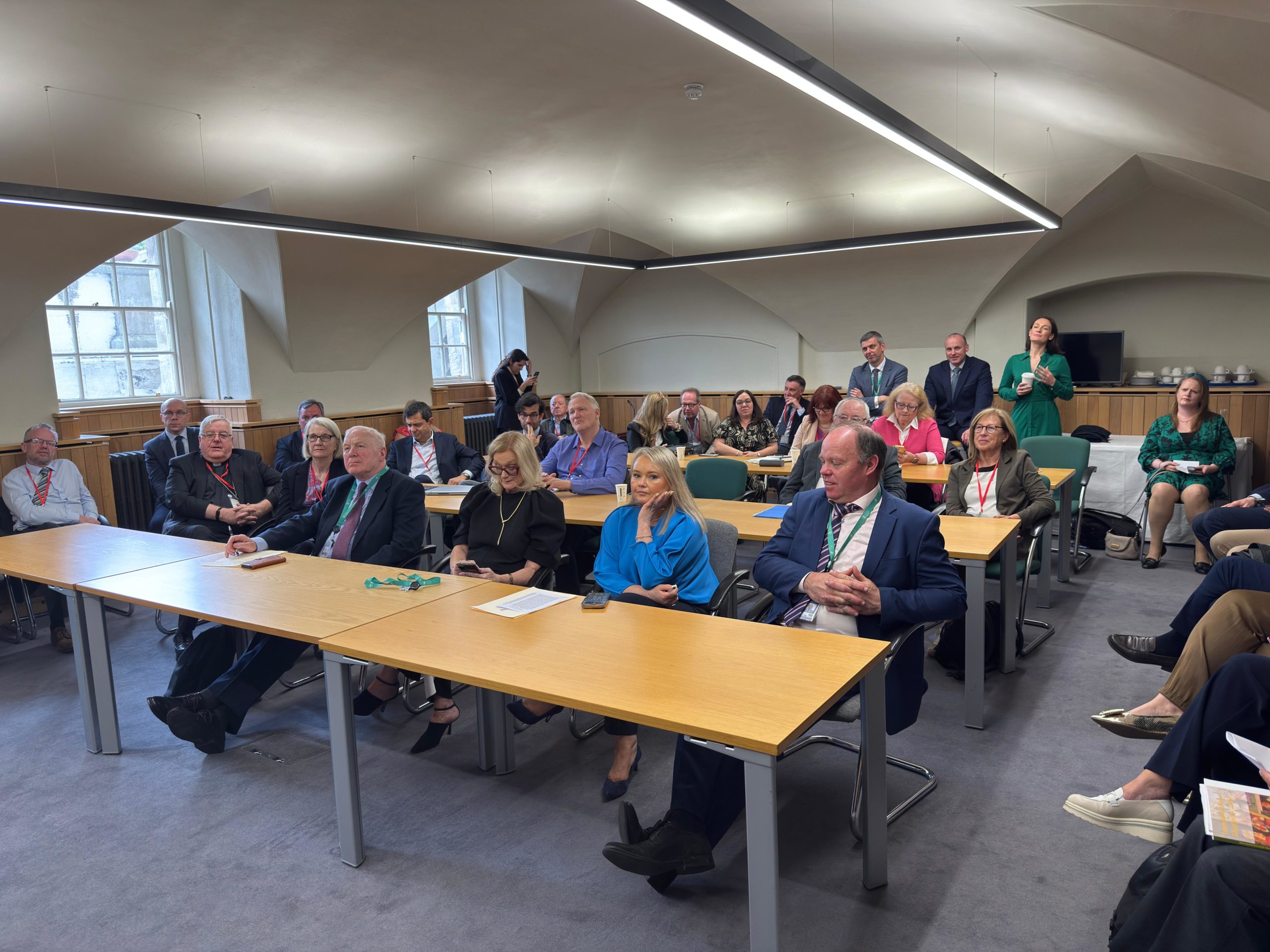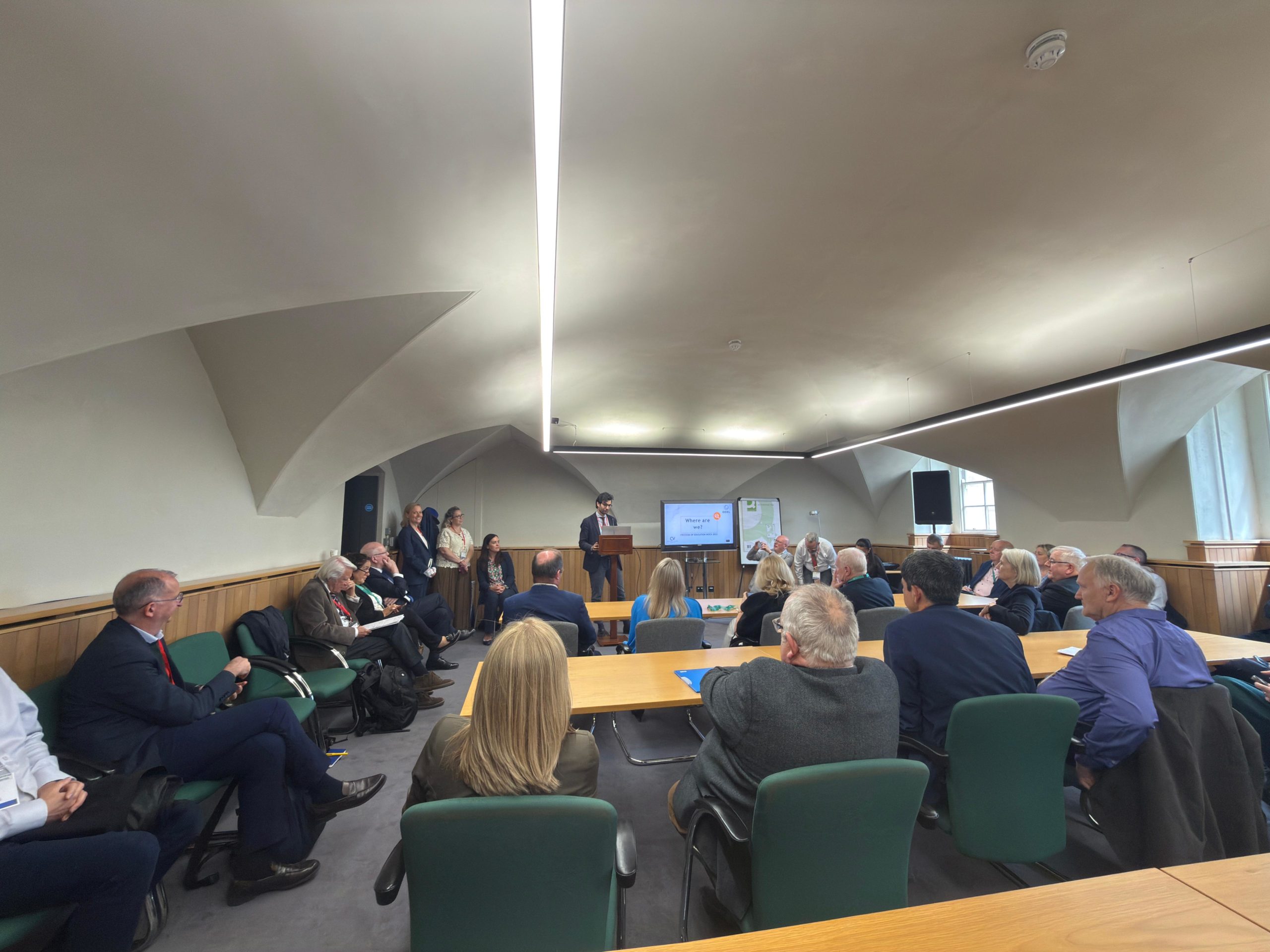


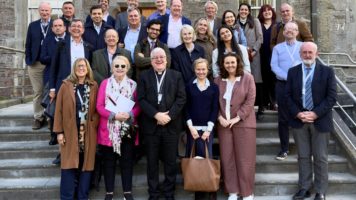
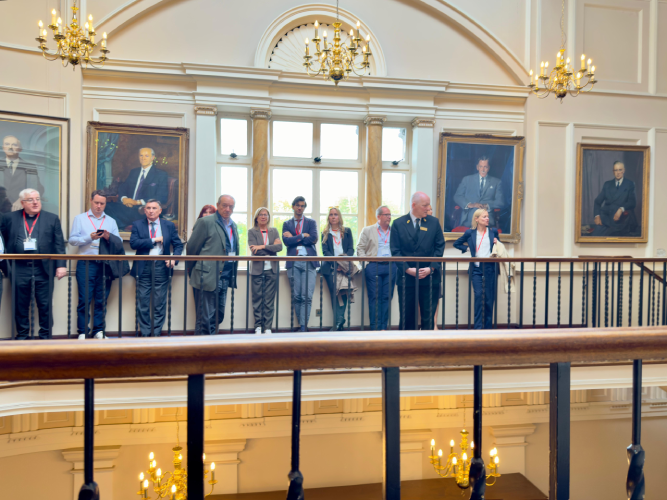
Dublin (Ireland), 7th of May | OIDEL and the Catholic Education Partnership convened a high-level conference at Leinster House – seat of the Oireachtas, the parliament of Ireland – under the title “Freedom of Education – The Irish Case.” The event brought together an important political representation, including 25 senators and four ministers, academics and international experts, to reflect on Ireland’s educational model and the future of educational pluralism in Europe and beyond.
The conference opened with welcoming remarks from Senator Rónán Mullen, who introduced the current debates surrounding education in Ireland and highlighted the importance of preserving educational diversity in a democratic society. Representatives of the Catholic Education Partnership, Alan Hynes and Marie Griffins, explained the evolving role of Catholic education in Ireland and emphasized their support for a more balanced educational landscape that guarantees freedom of choice for all families, regardless of background.
The central panel explored the philosophical, legal, and political foundations of freedom of education. Ashley Berner, Director of the Johns Hopkins Institute for Education Policy, presented the theoretical foundations of educational pluralism. She explained that educational pluralism is a system in which governments fund and regulate schools while allowing for a wide range of pedagogical and philosophical approaches. Berner stressed that education can never be neutral with respect to values and that democratic societies should therefore support schools with distinctive ethos and missions.
Drawing on comparative international research, Berner underlined that most countries around the world already operate plural educational systems. She argued that educational pluralism recognizes the diversity of family needs, strengthens civil society, and supports democratic cohesion while ensuring academic excellence through appropriate accountability frameworks. Well-designed pluralist systems, she concluded, can generate positive academic and civic outcomes for future generations.
Representing OIDEL, Ignasi Grau presented key findings from the Freedom of Education Index and asked whether Ireland remains an international exception in protecting educational freedom. He highlighted Ireland’s historic leadership in safeguarding parental choice and educational diversity and noted that, despite political controversies in some countries, global trends point toward greater educational pluralism rather than less. Grau also emphasized that the vast majority of European constitutions recognize freedom of education and that many developed countries financially support non-government schools in order to make this freedom effective for all families, not only the wealthiest.
Alexandre Magno Fernandes Moreira examined Ireland’s educational framework through the lens of international human rights law. He argued that Ireland was a pioneer in recognizing educational rights and pluralism even before the post-Second World War international consensus on human rights emerged. His intervention emphasized how educational diversity is deeply connected to the protection of fundamental freedoms.
Closing the panel, Jan de Groof situated the Irish case within the wider European context. One of the world’s leading experts on education law and human rights, de Groof stressed that educational pluralism is not merely an administrative arrangement but a cornerstone for safeguarding democracy and protecting human dignity across Europe.
The panel discussion was moderated by Josyane Zingg.
The large attendance reflects the growing relevance of educational freedom in contemporary democratic debate. The conference concluded with a networking lunch inside Parliament and a guided visit through Leinster House.