Buenos Aires (Argentina), 4 November 2026
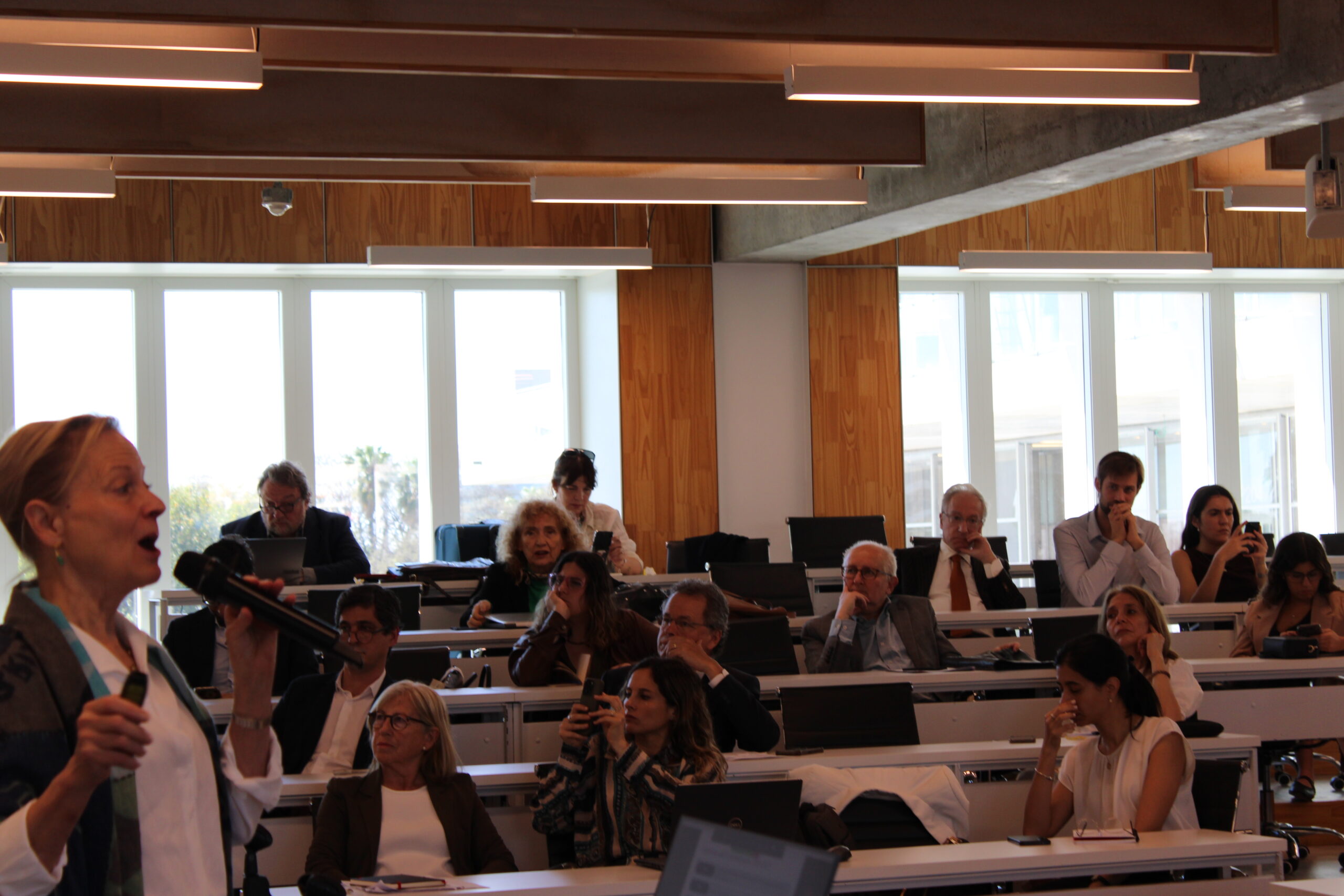
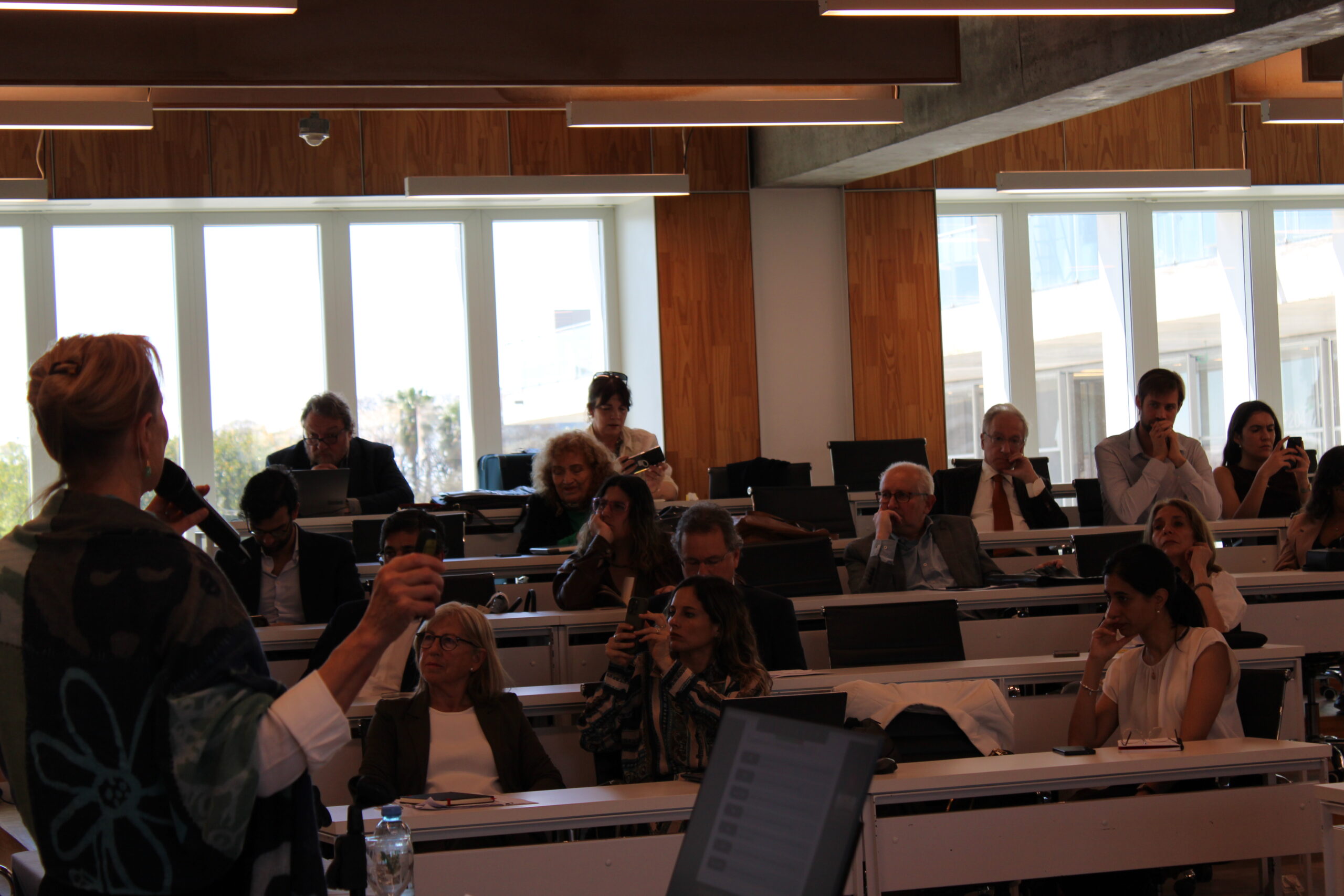
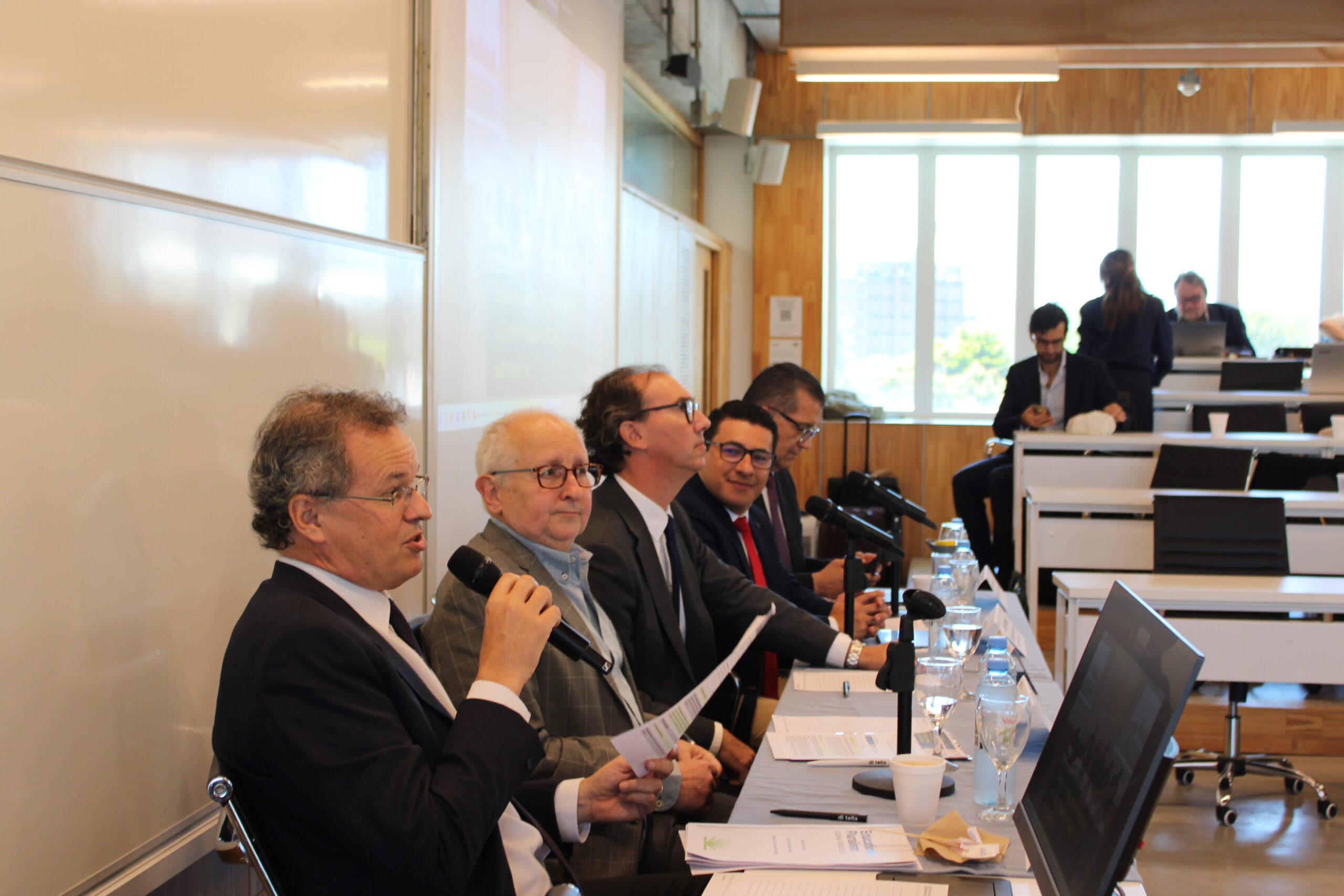
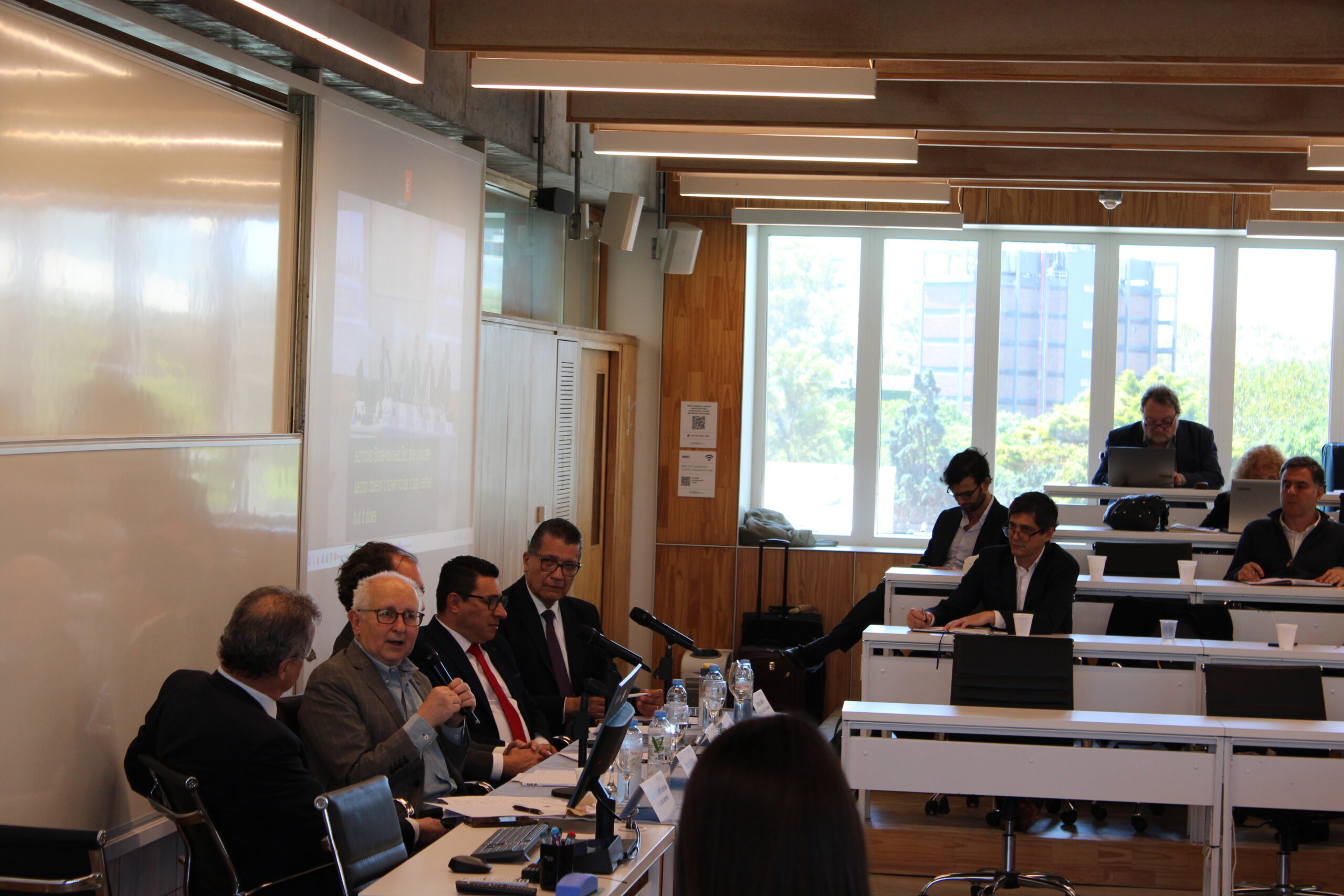
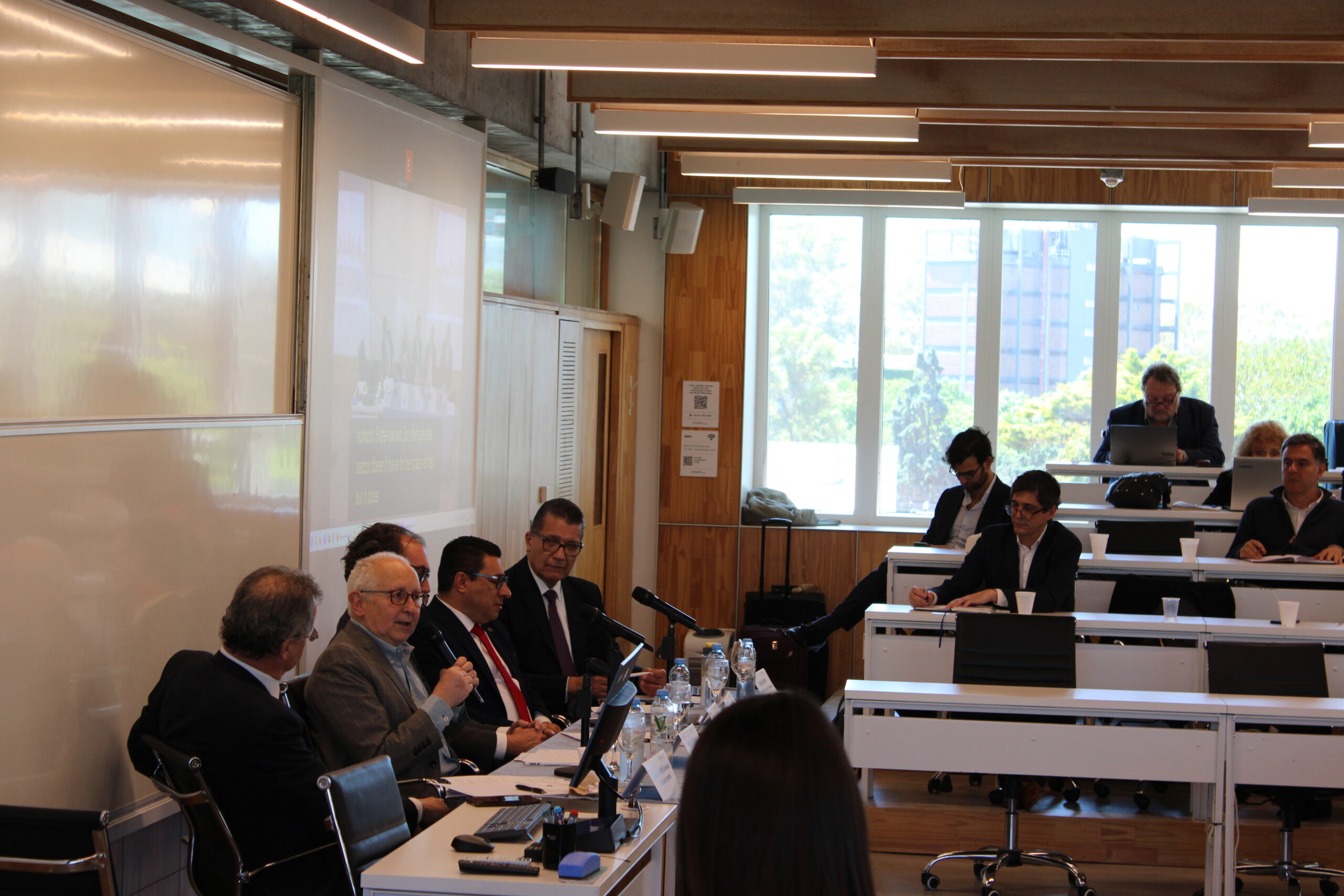
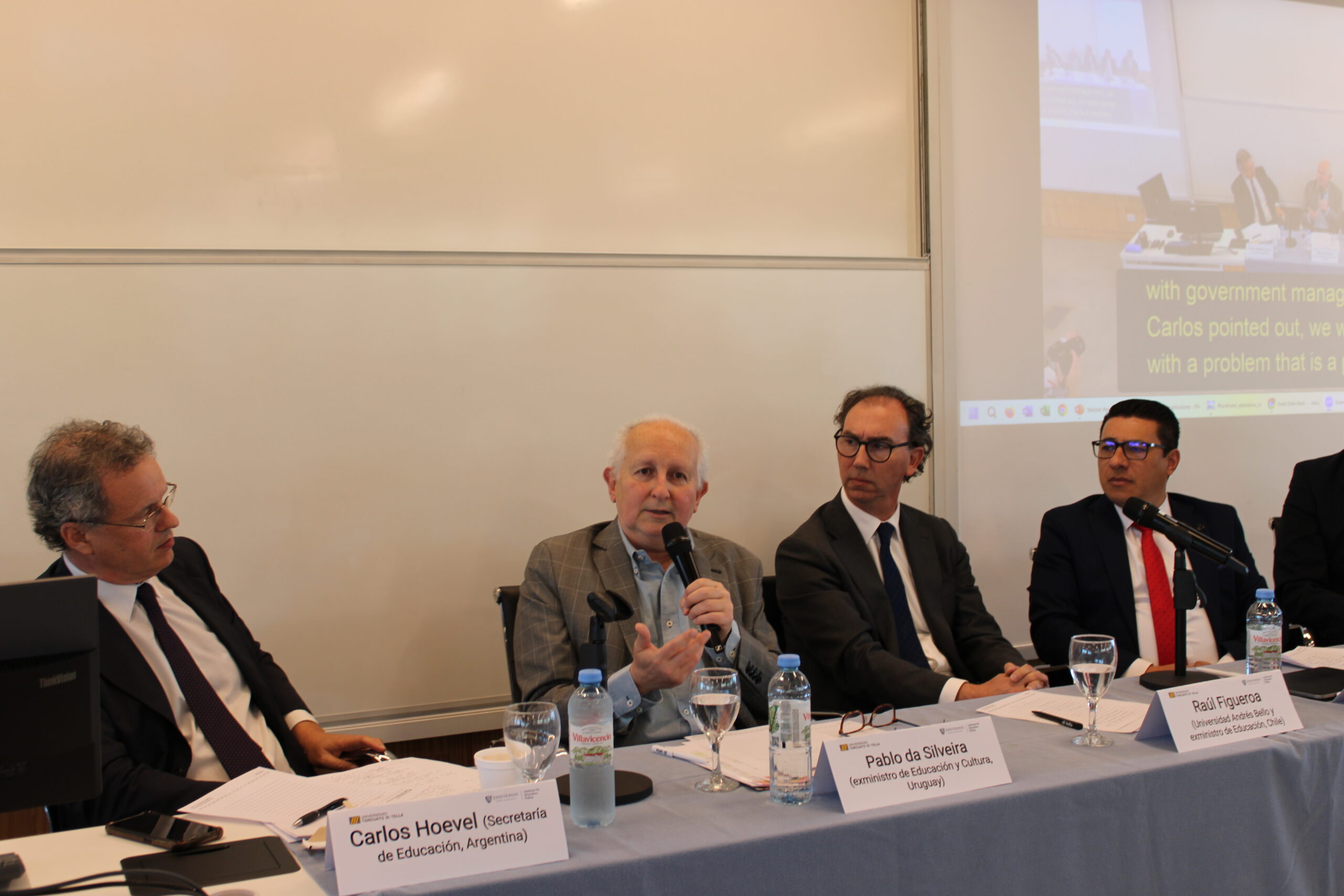
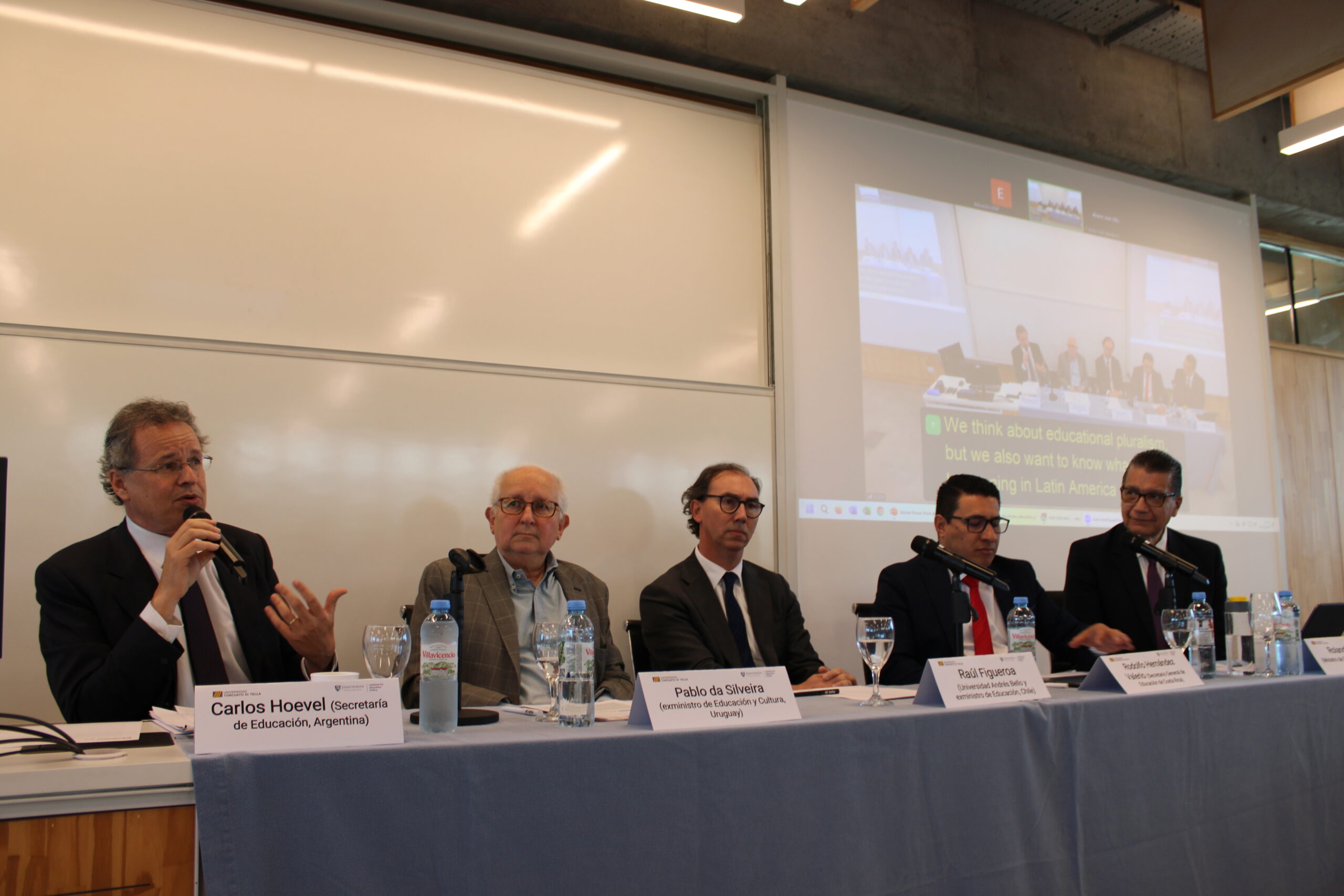
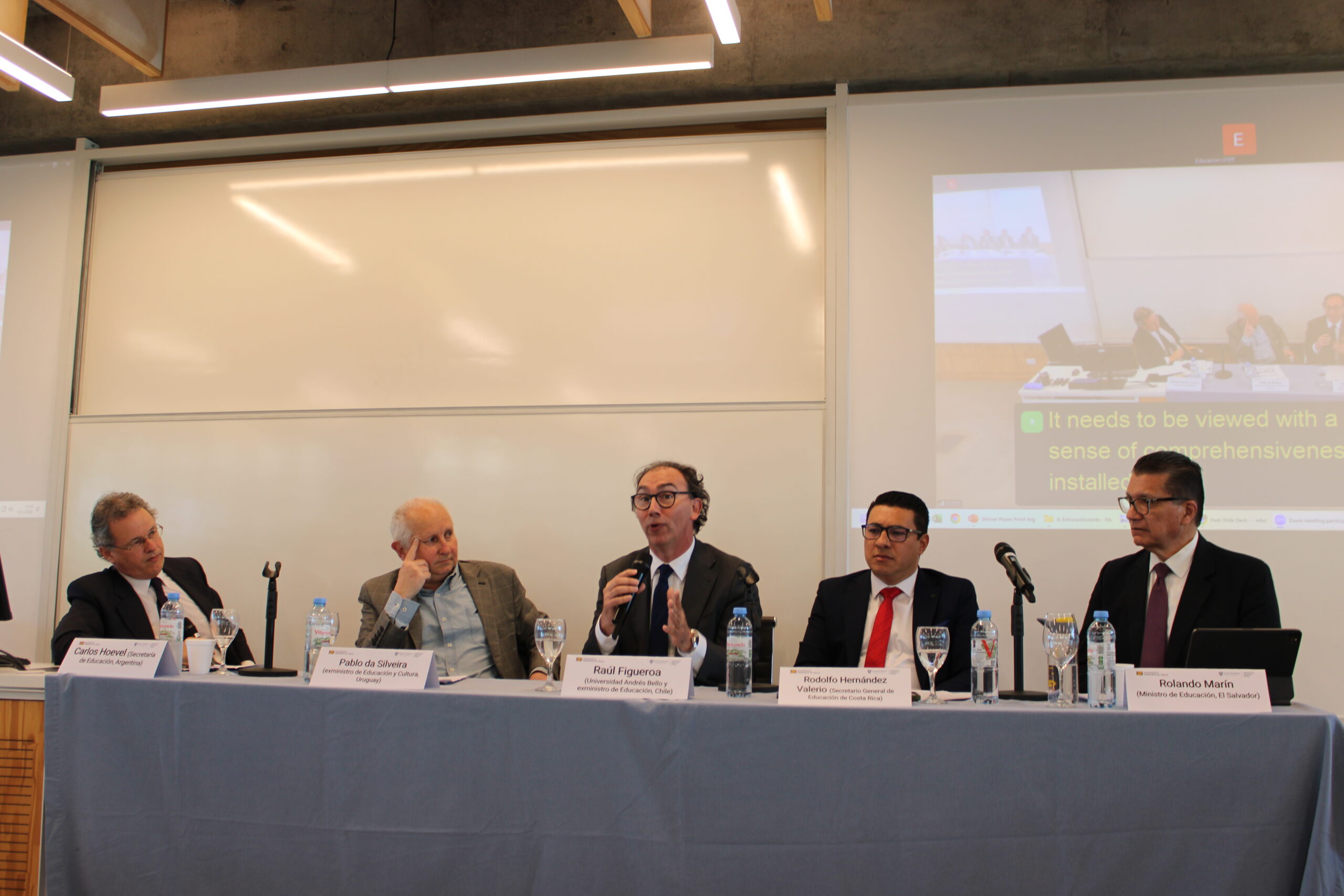
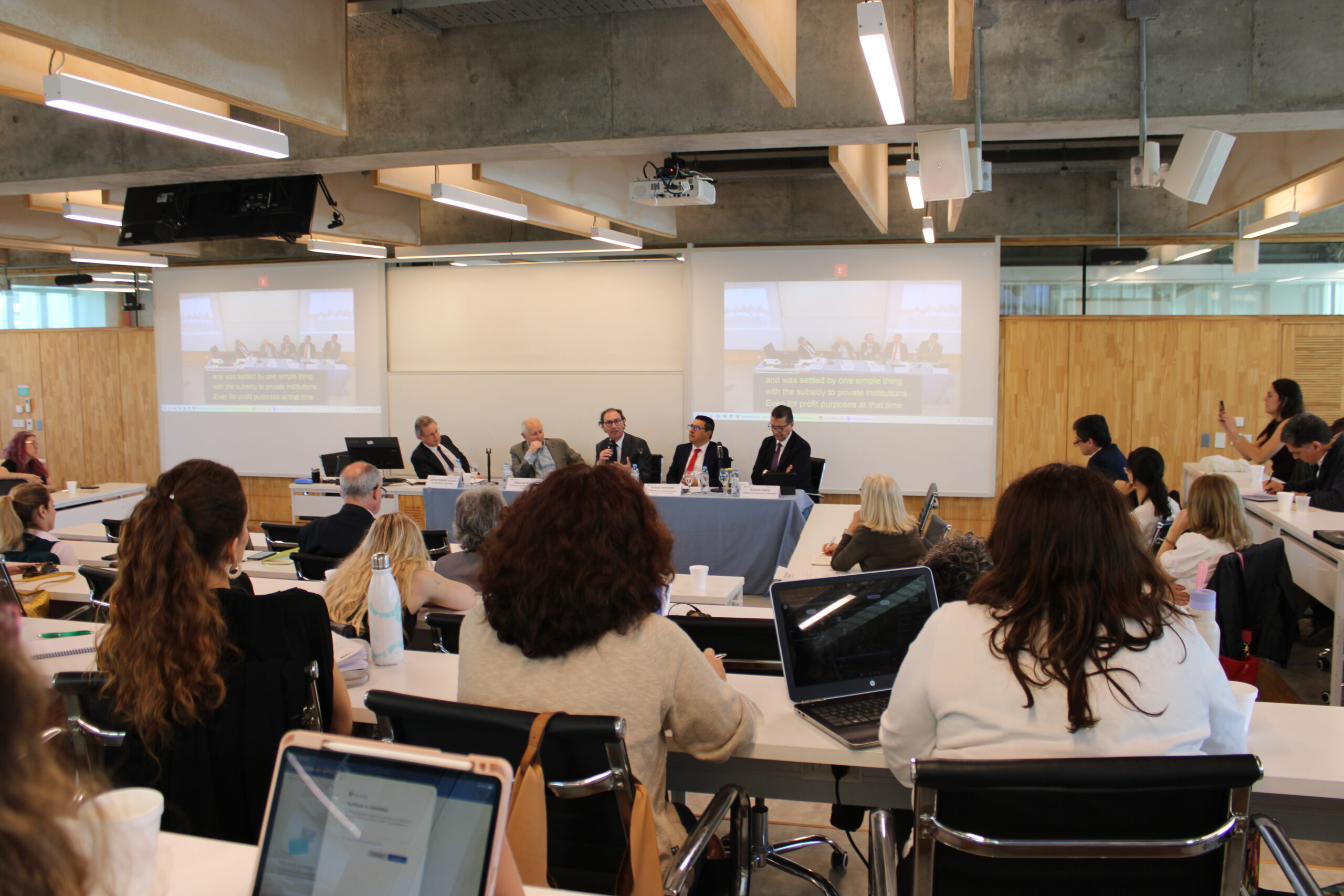
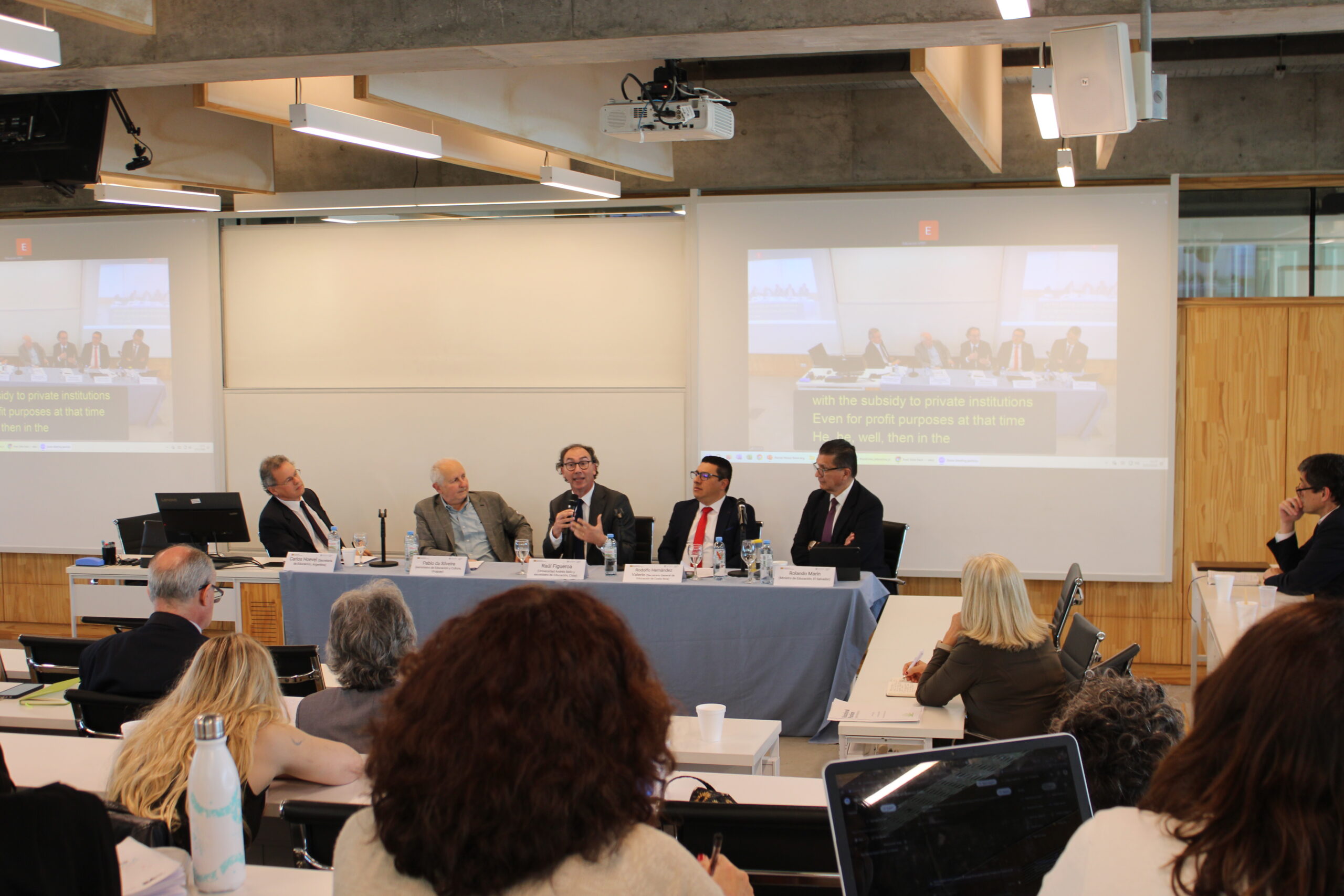
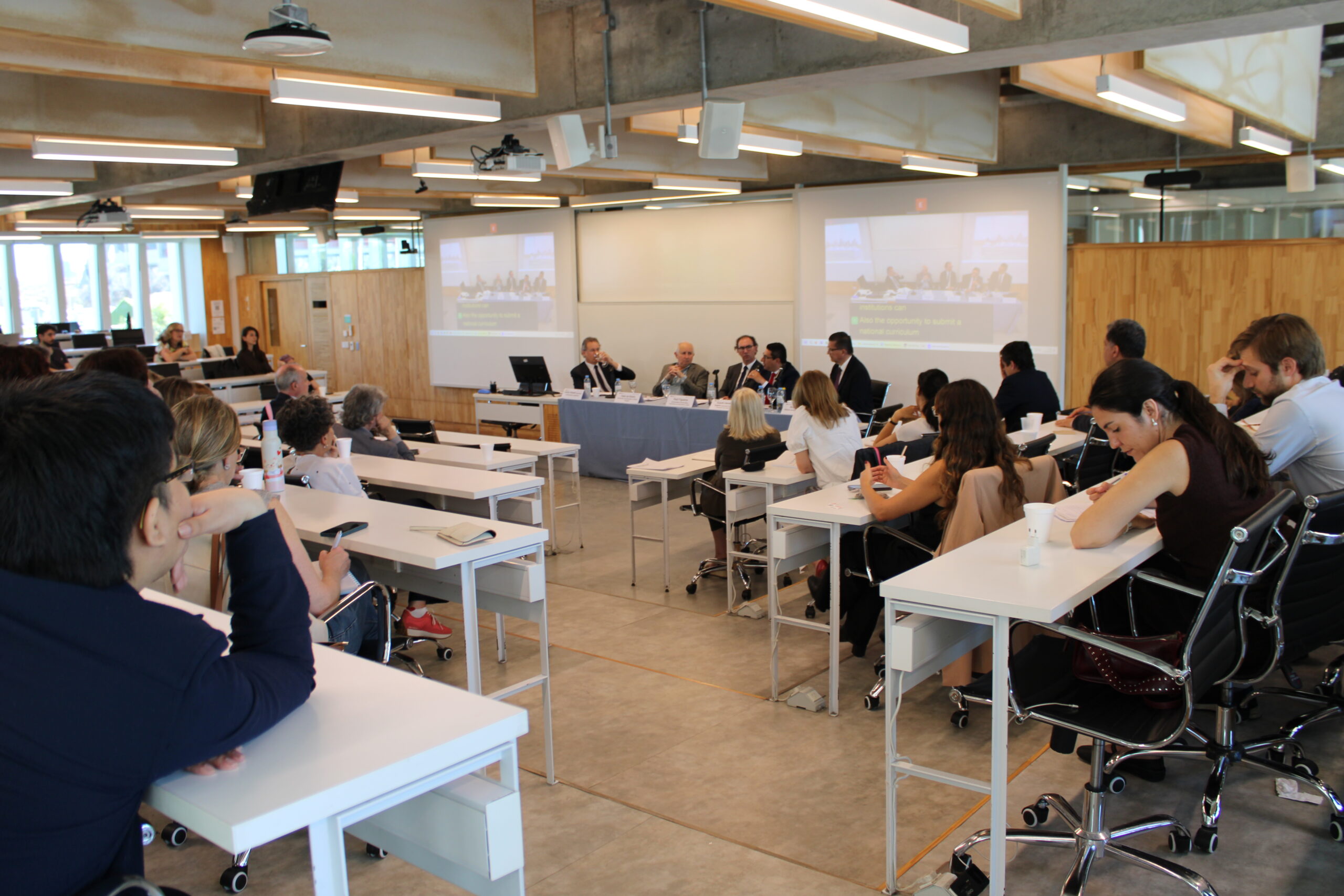
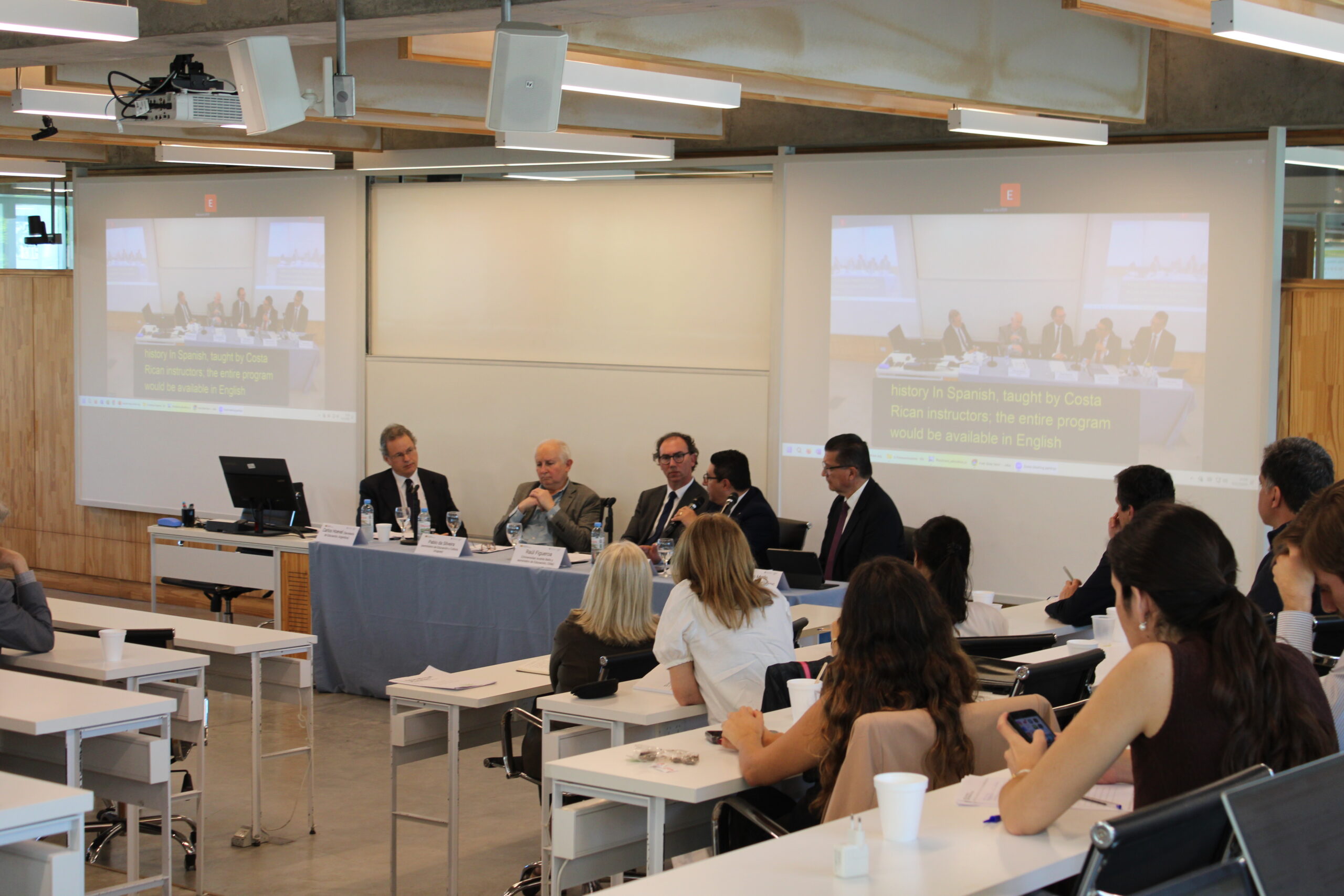
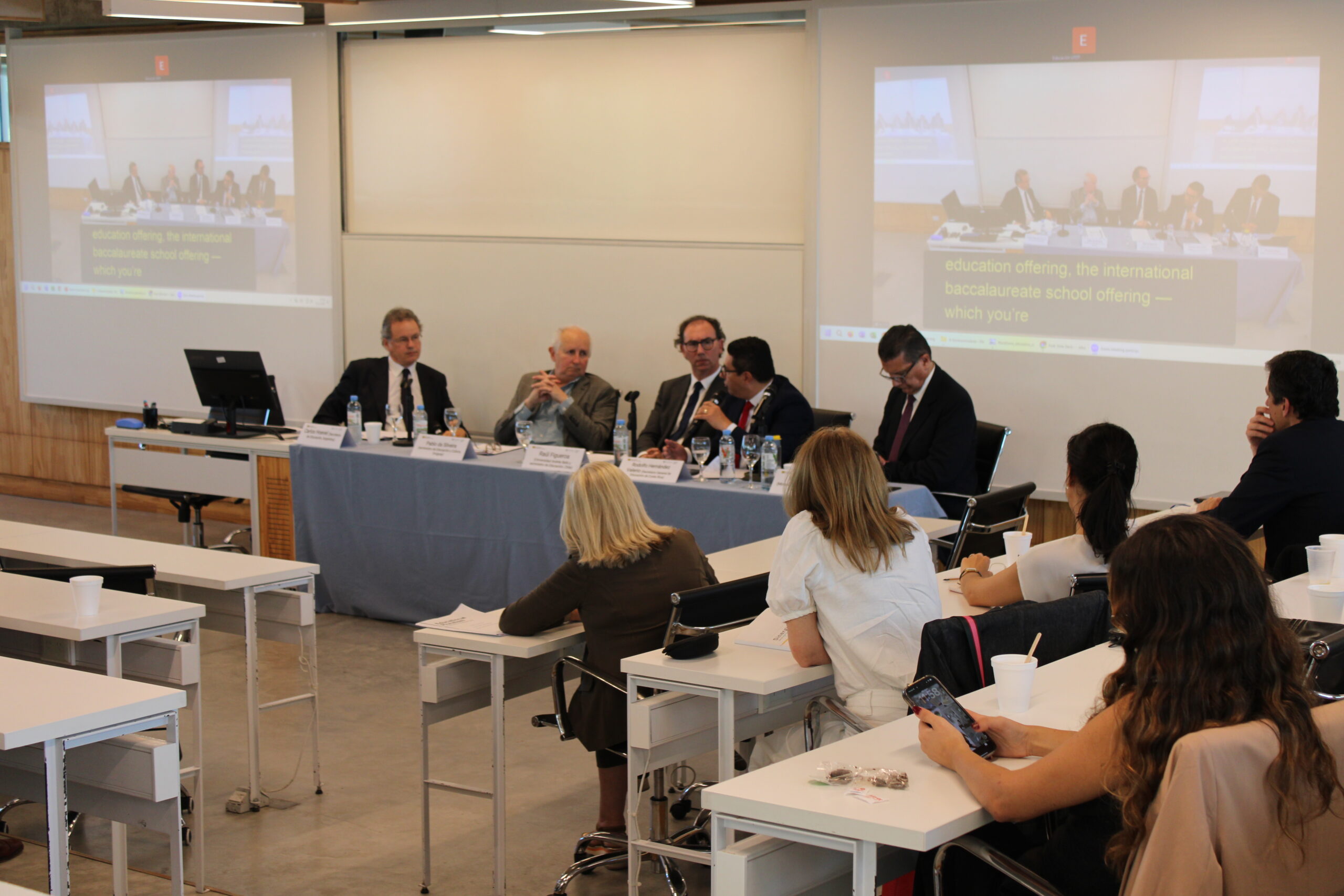
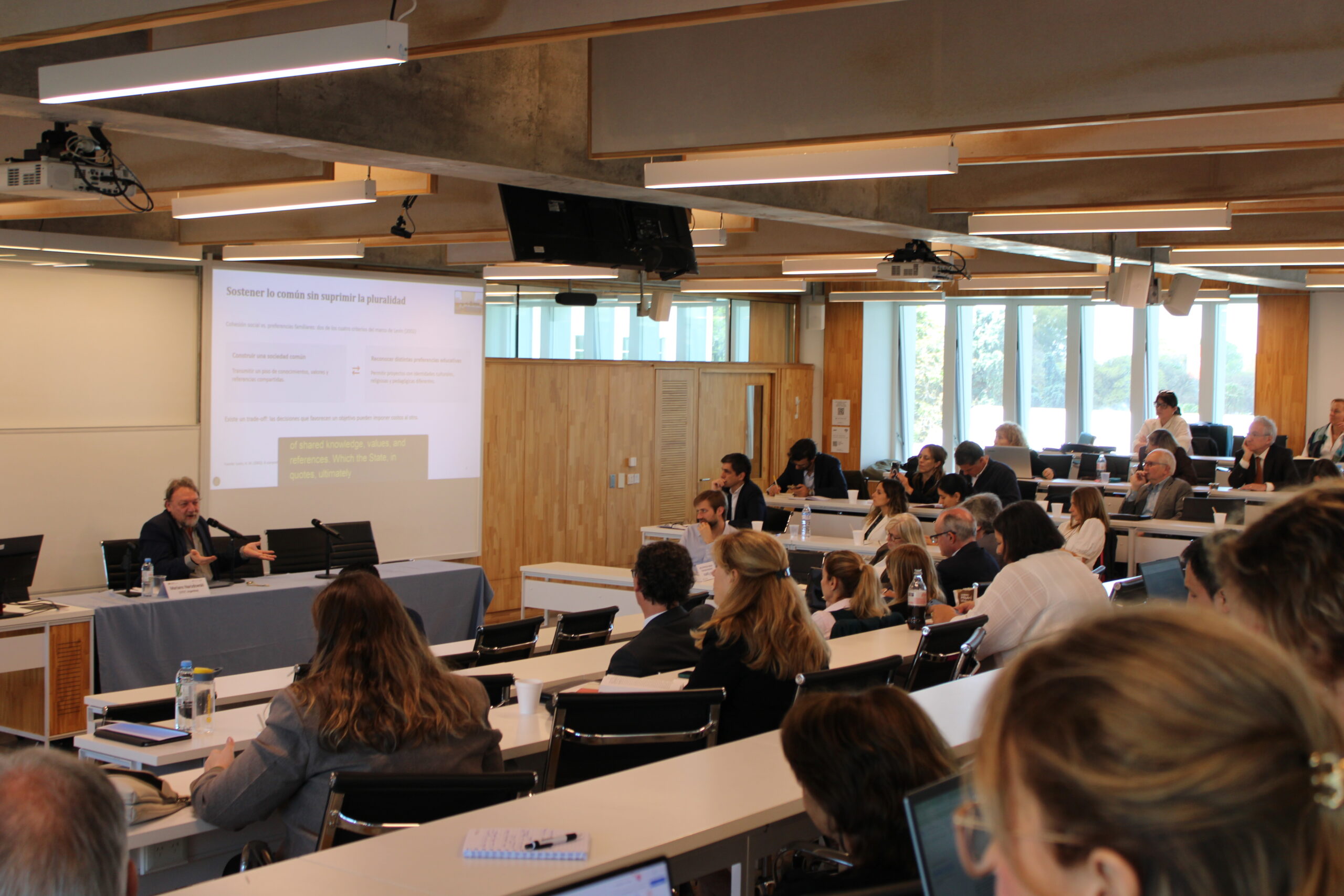
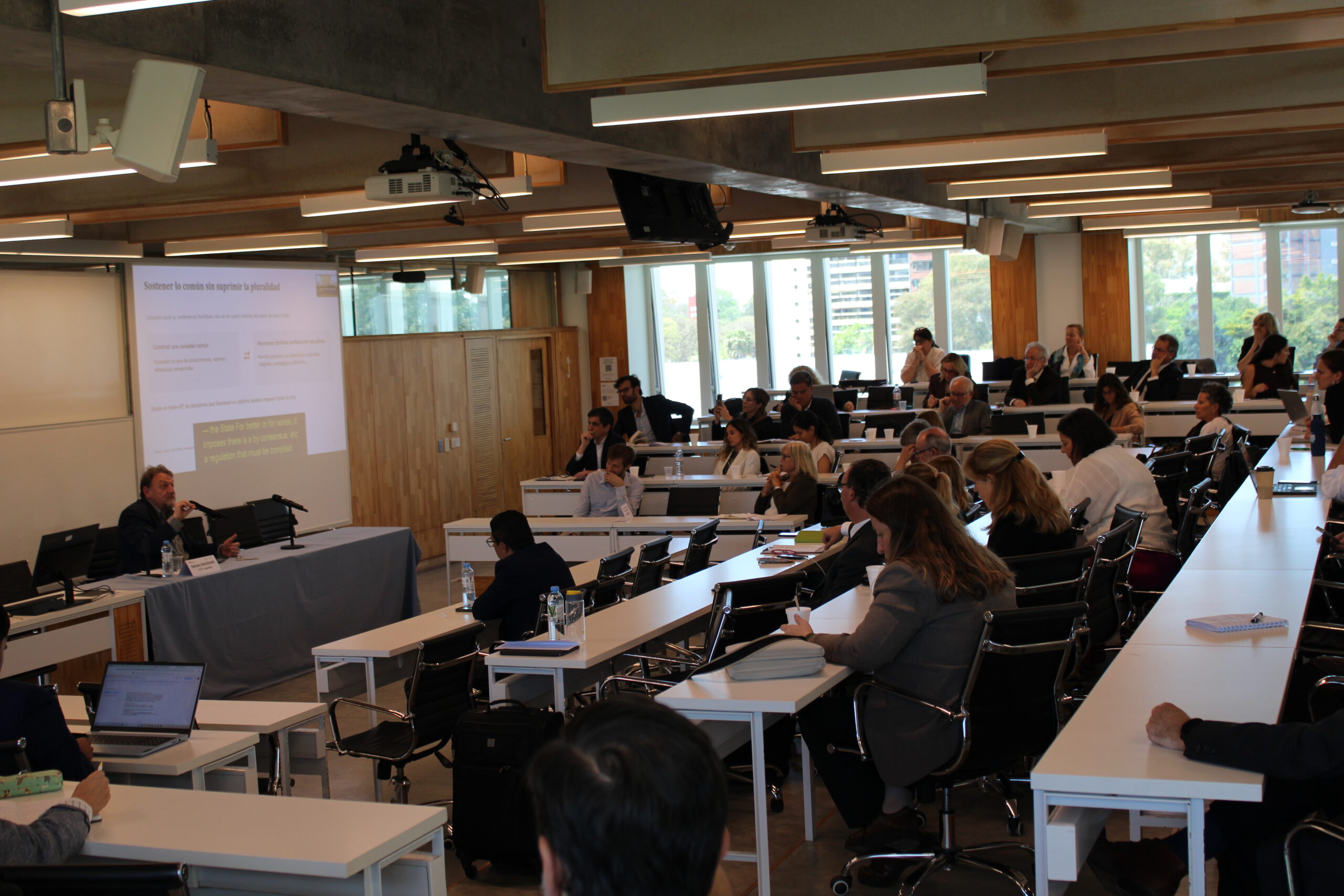
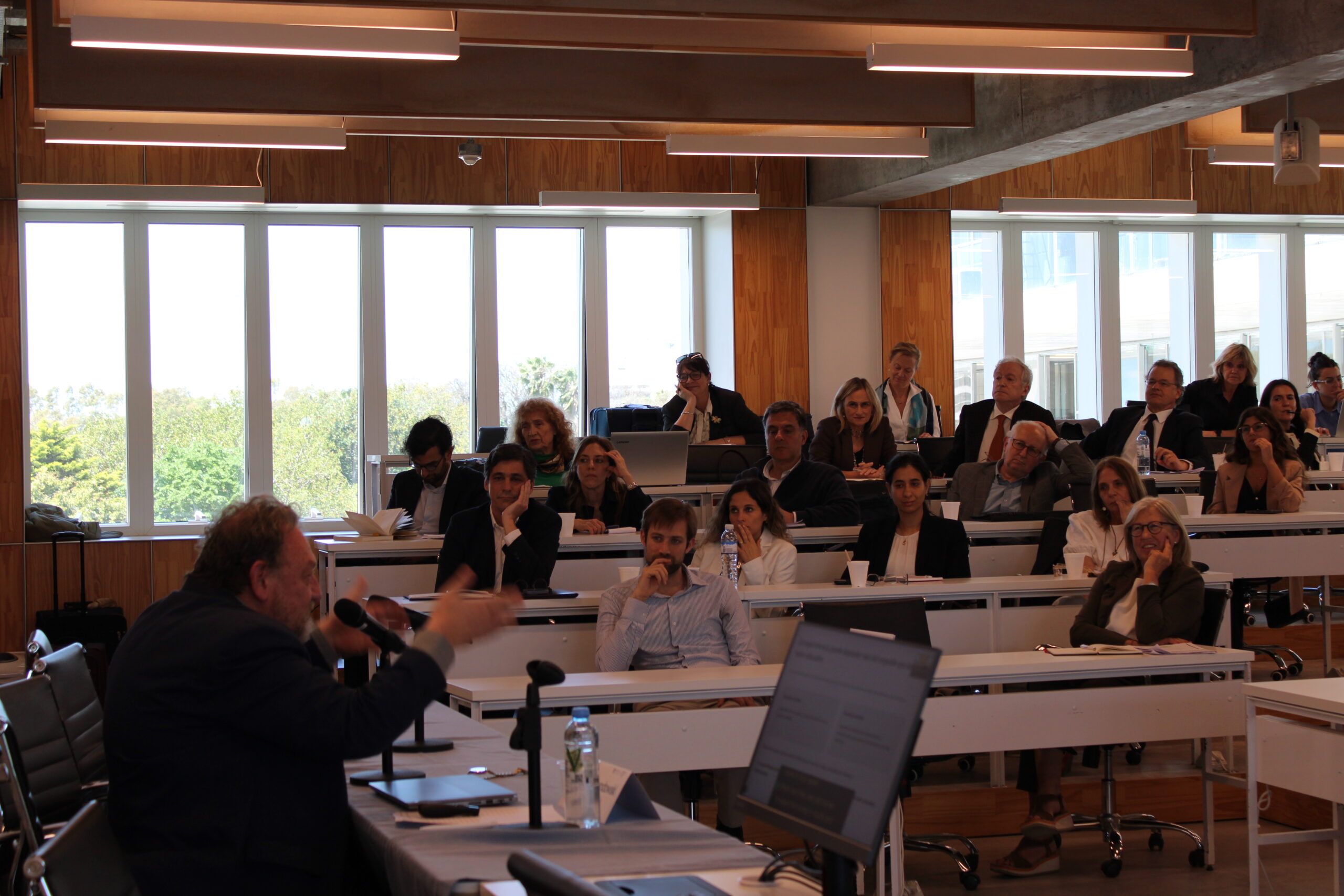
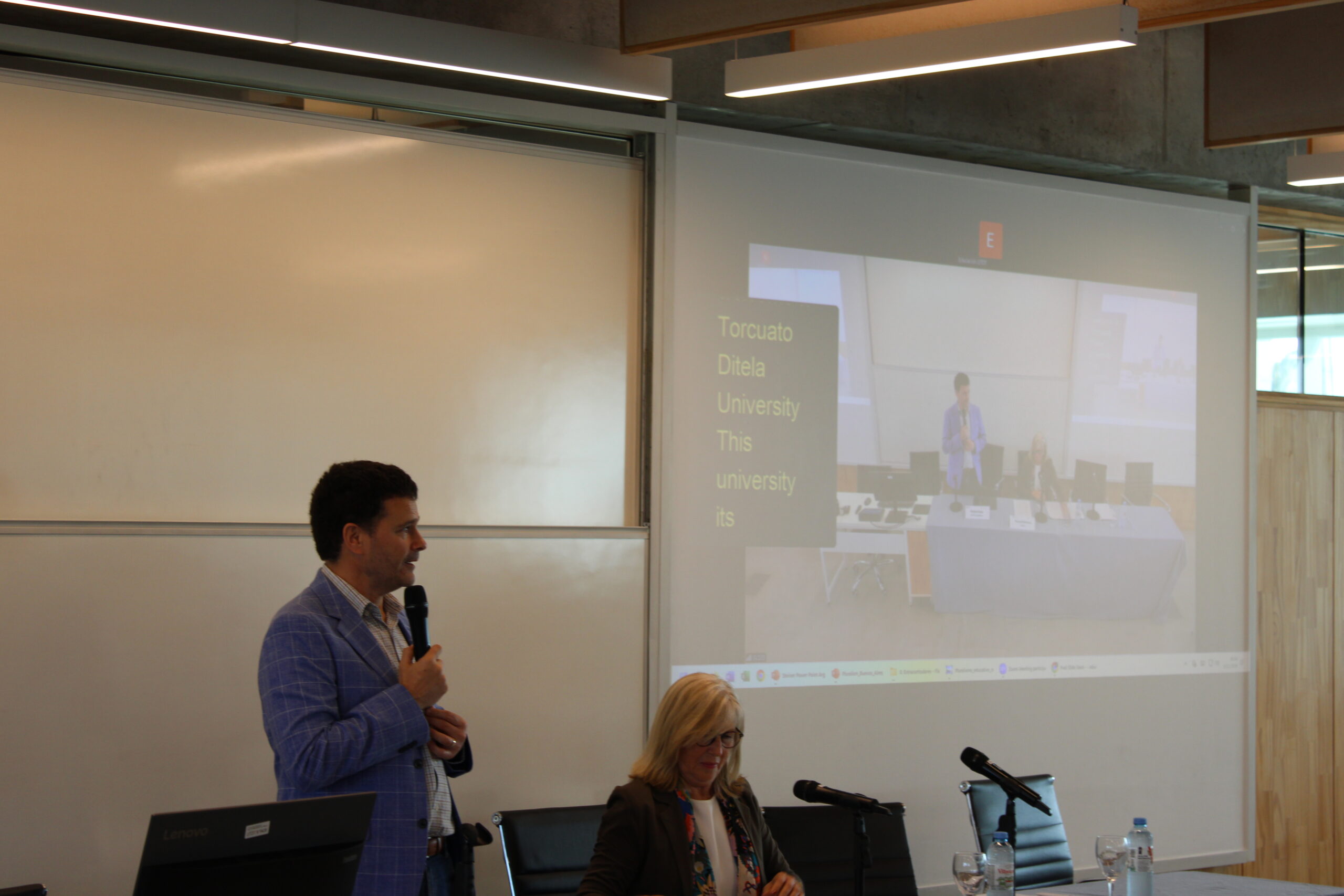
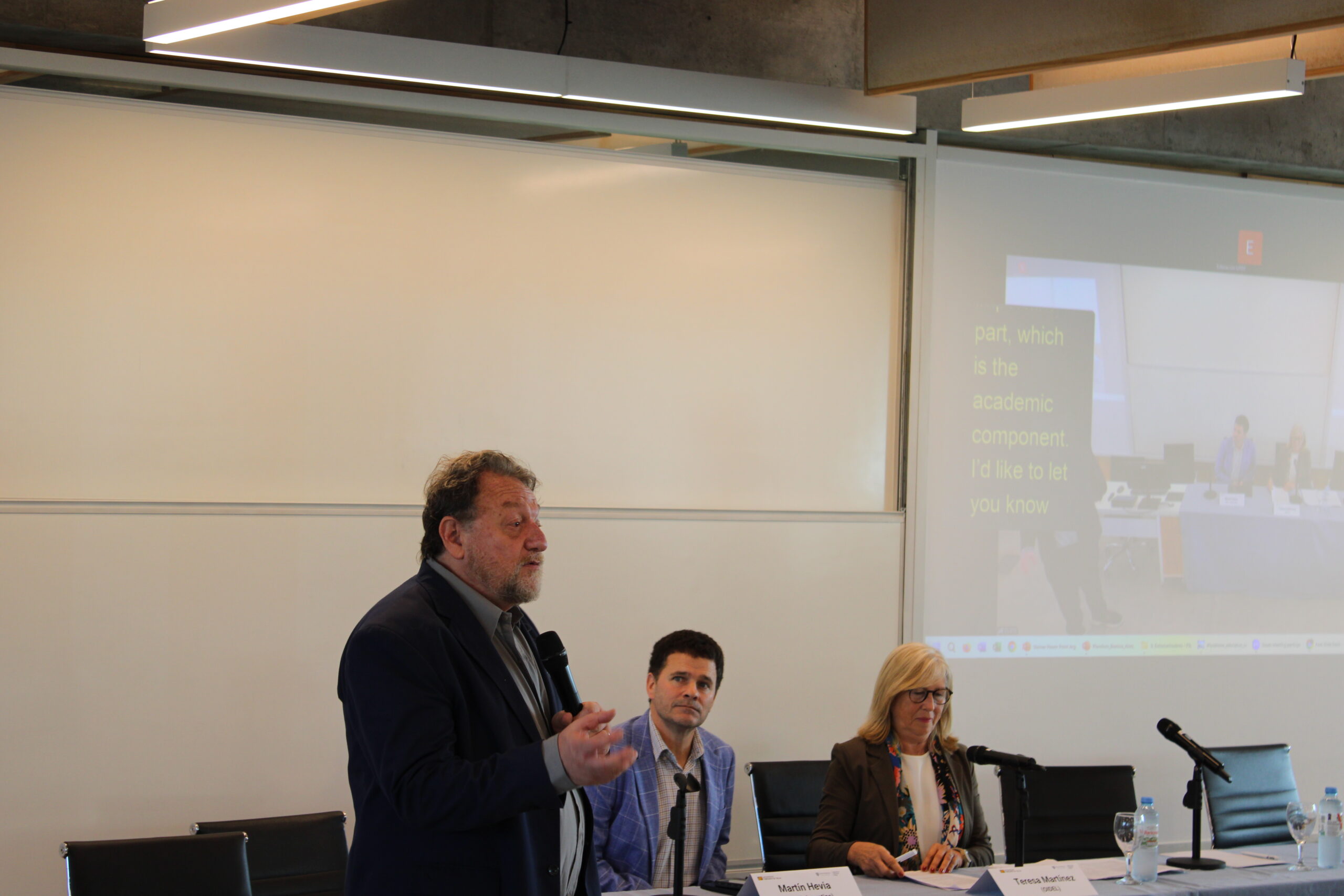
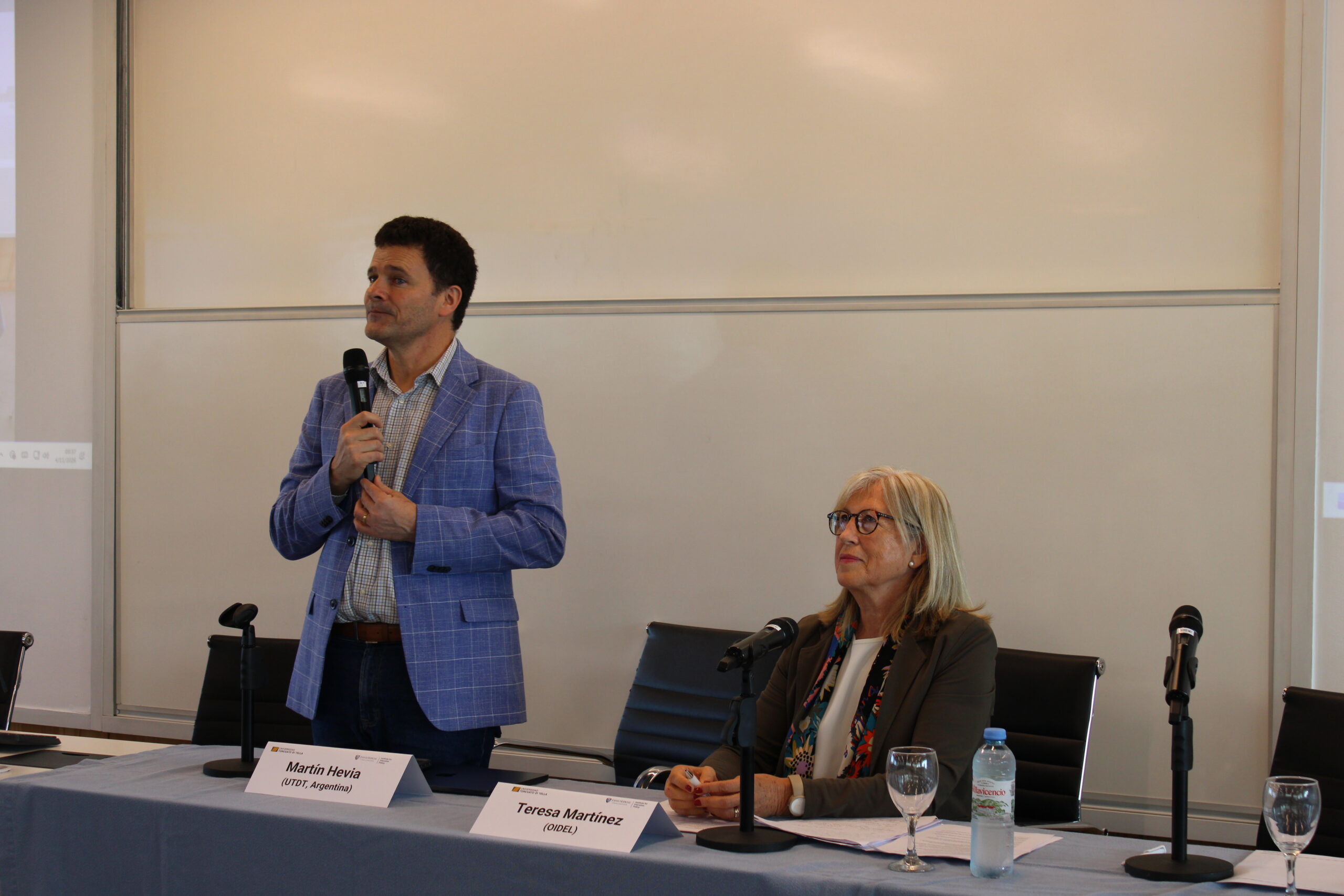
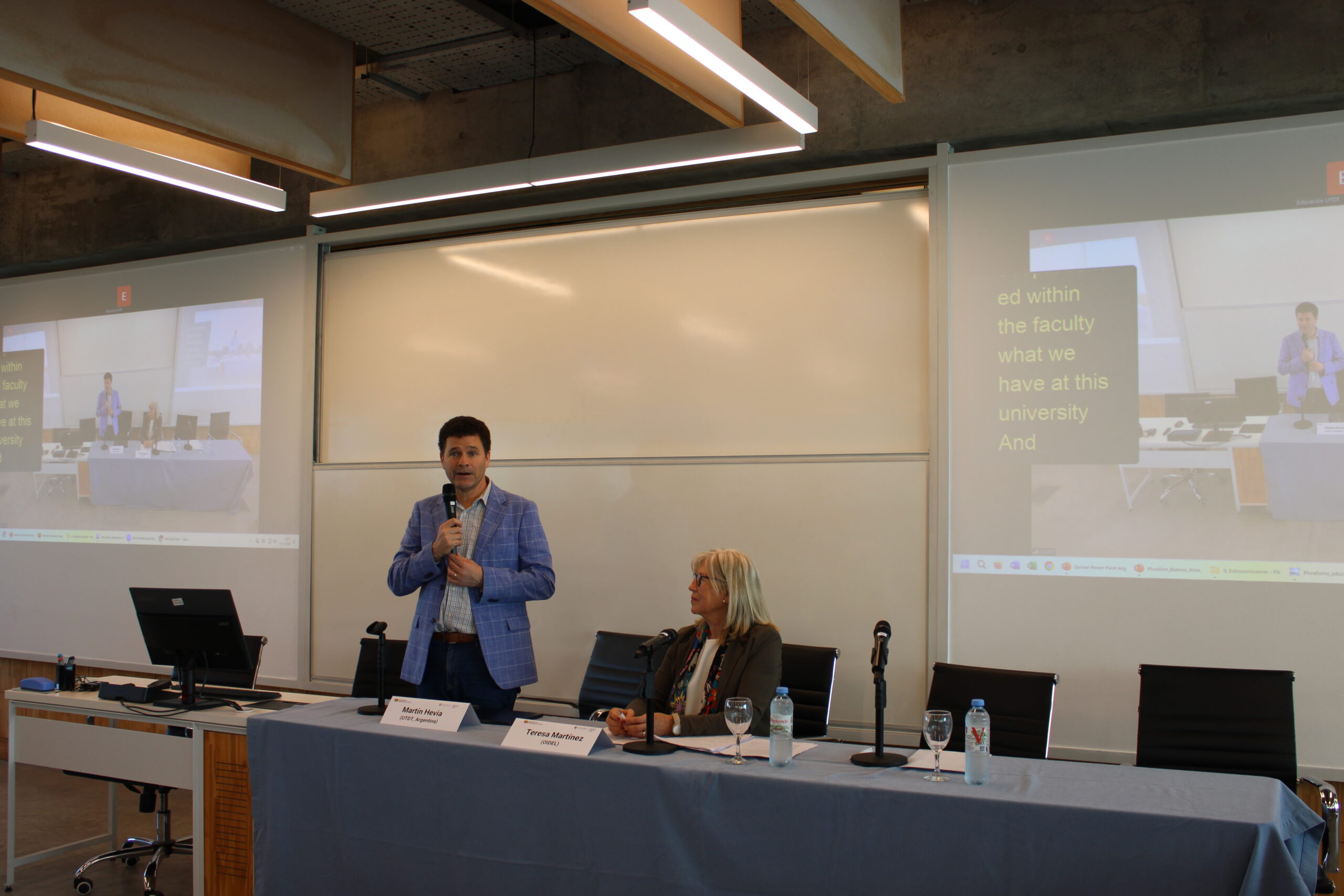
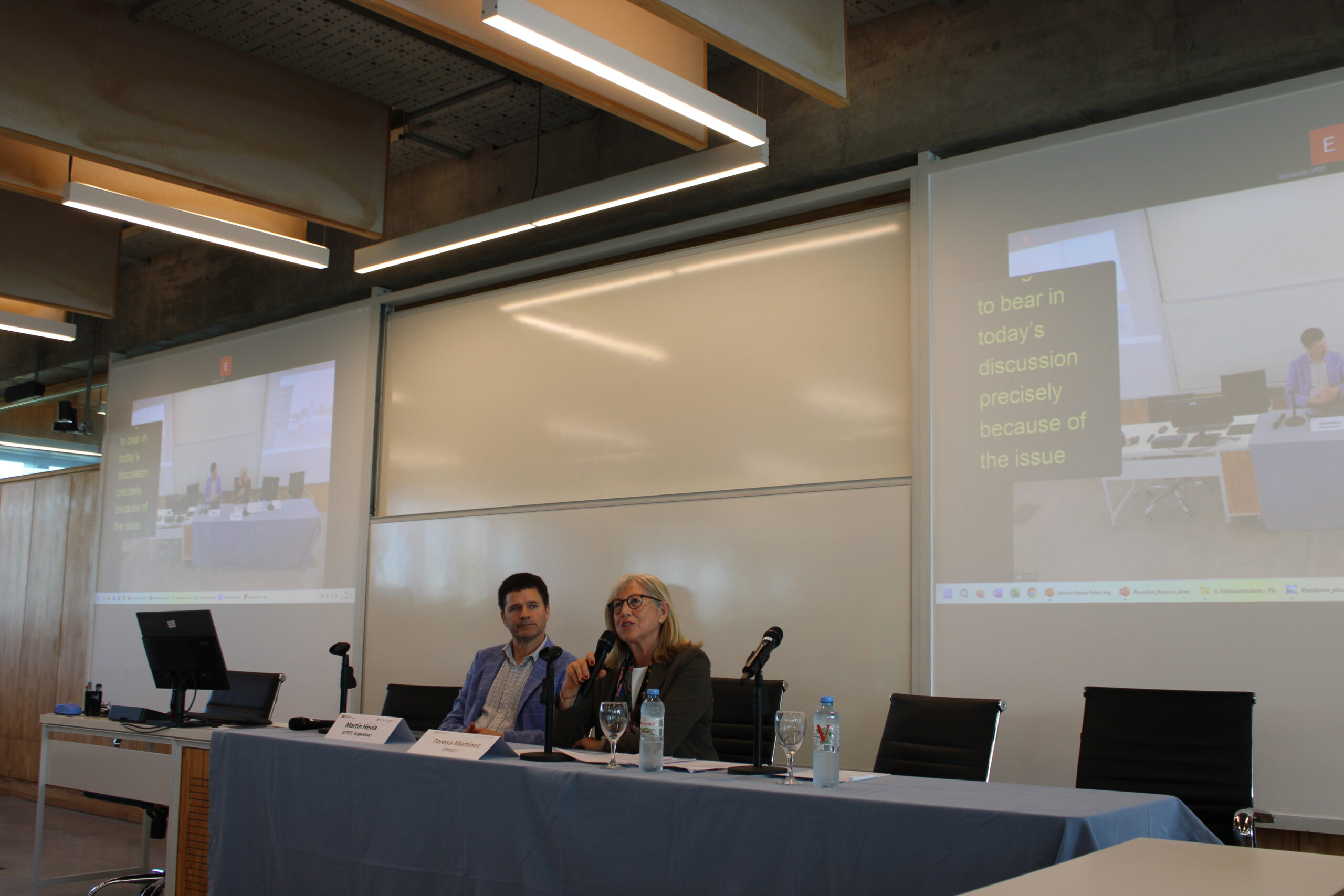
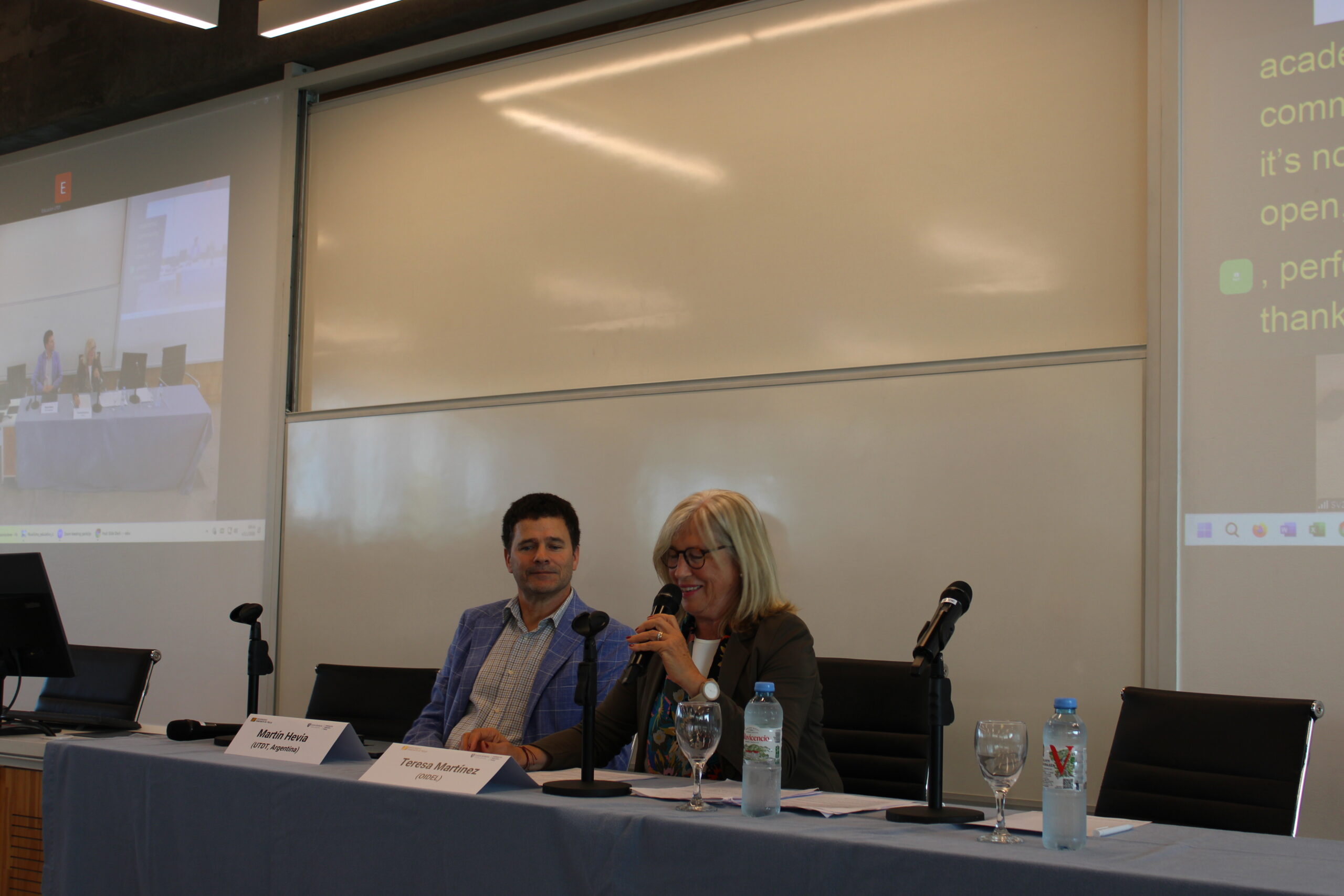
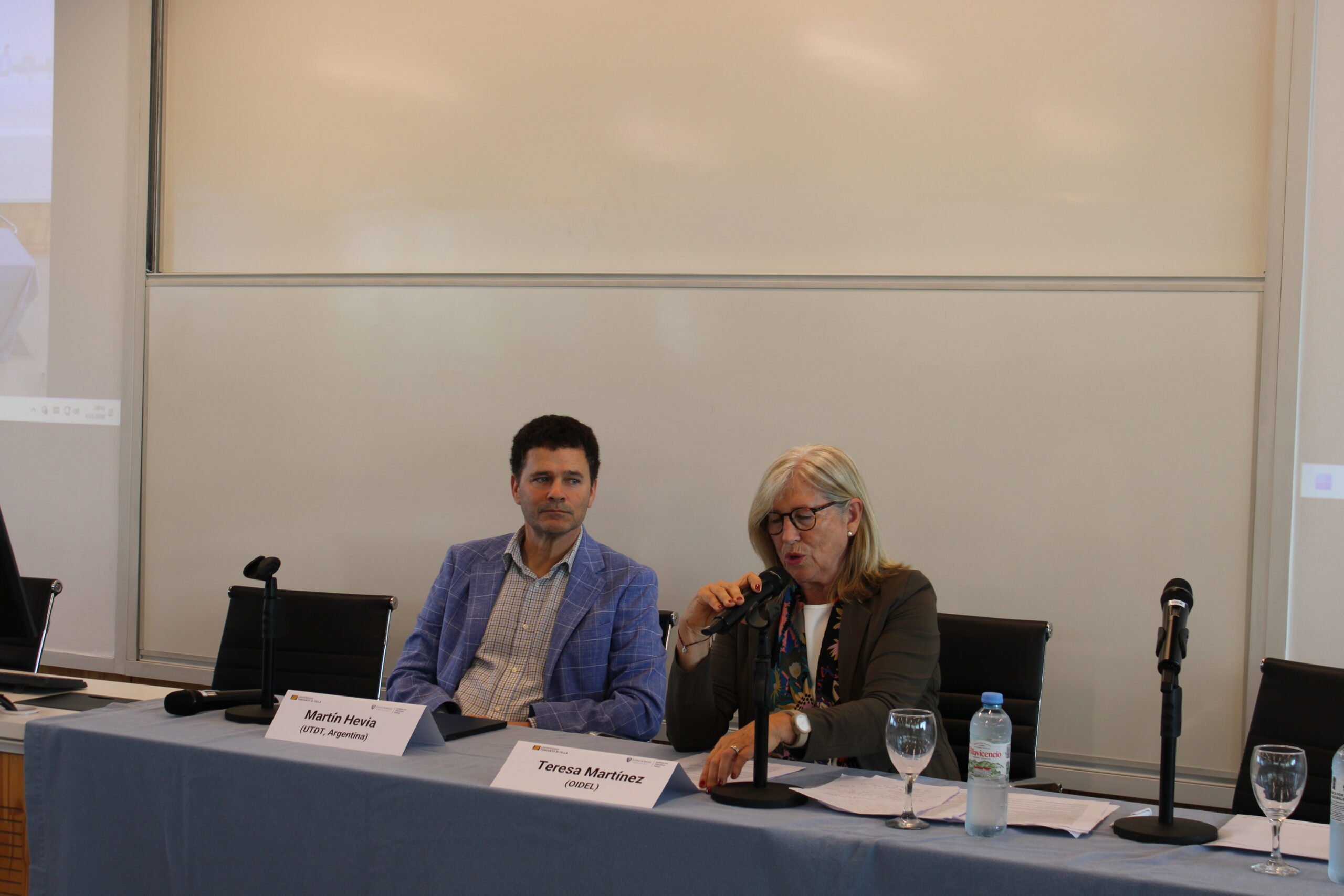
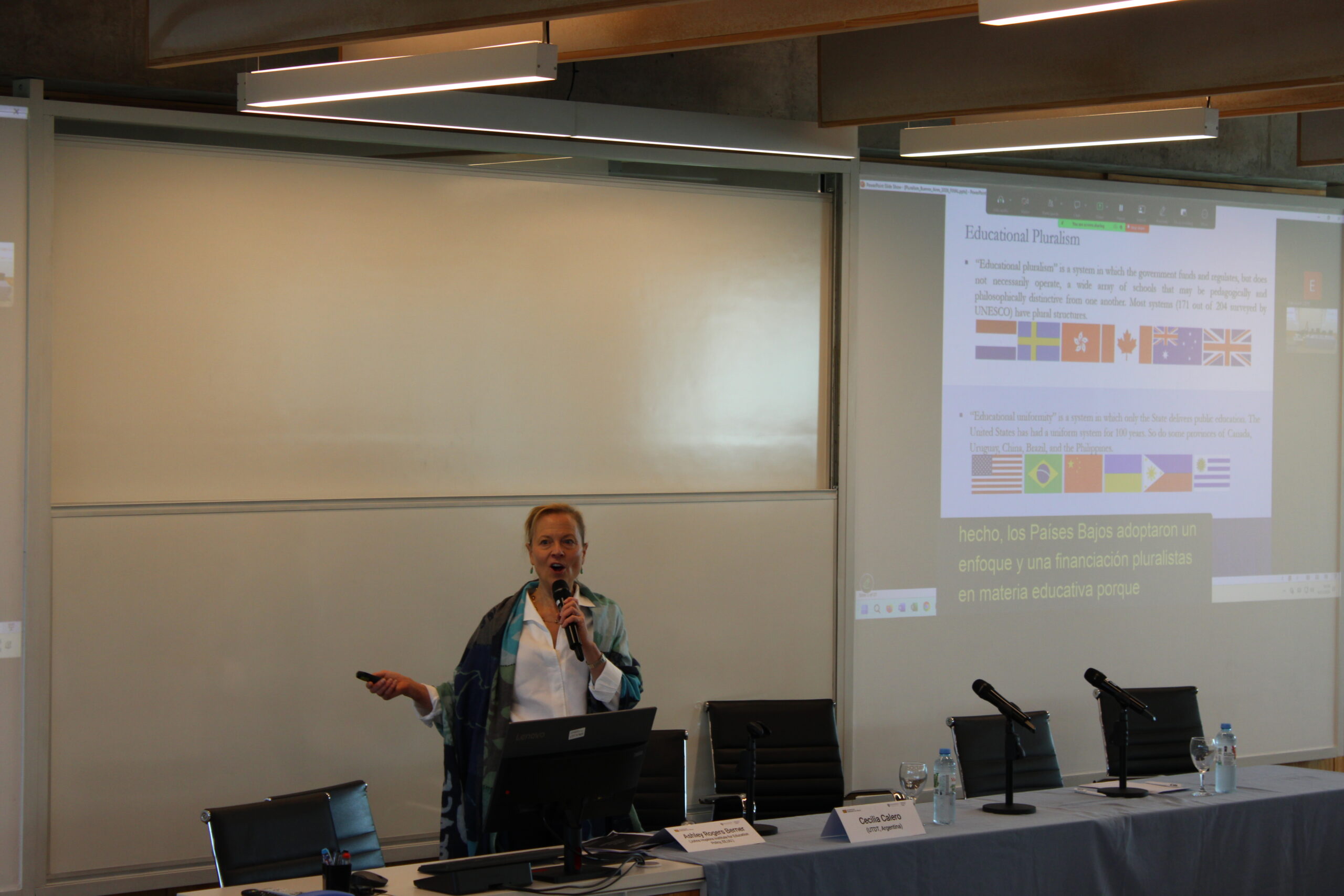
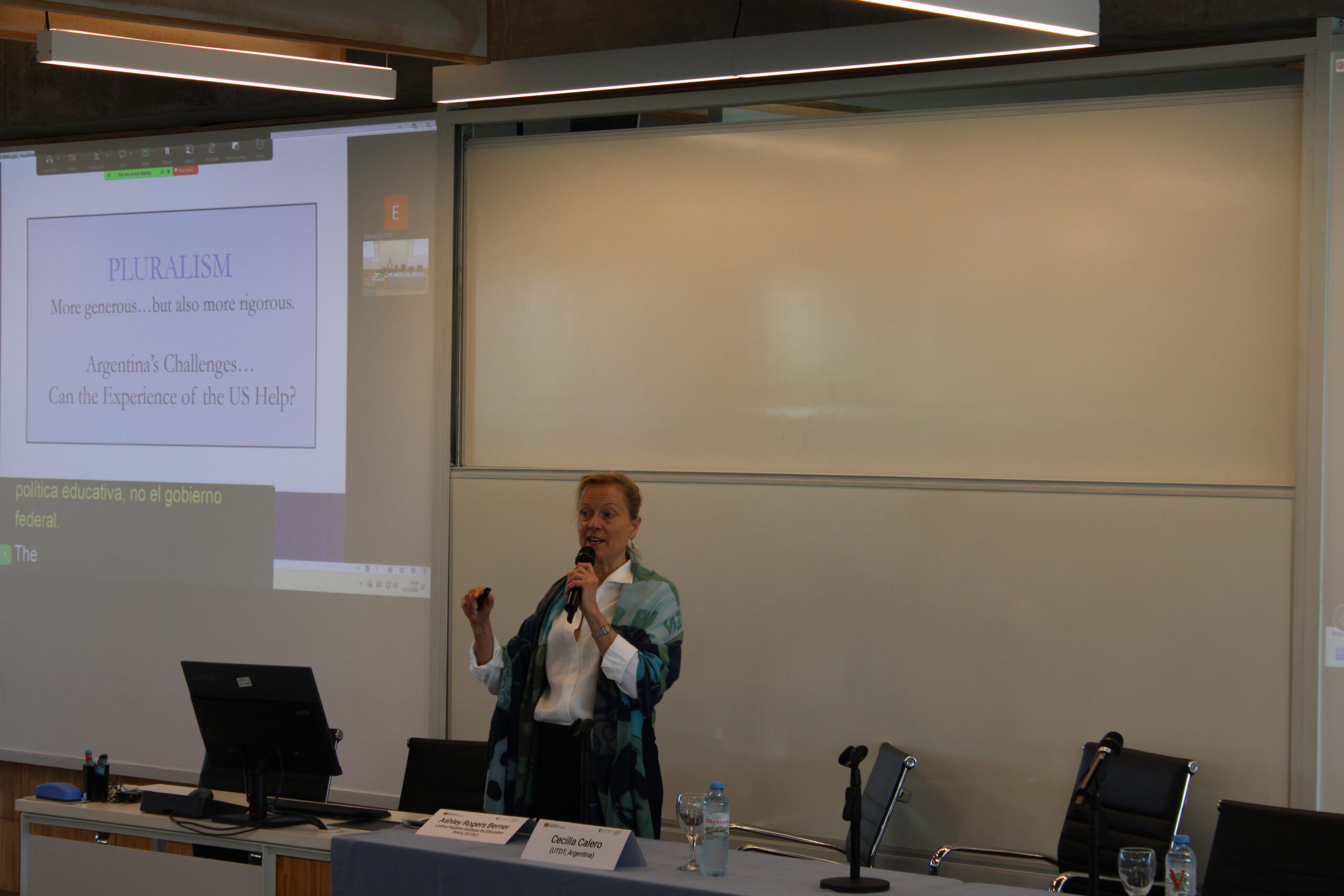
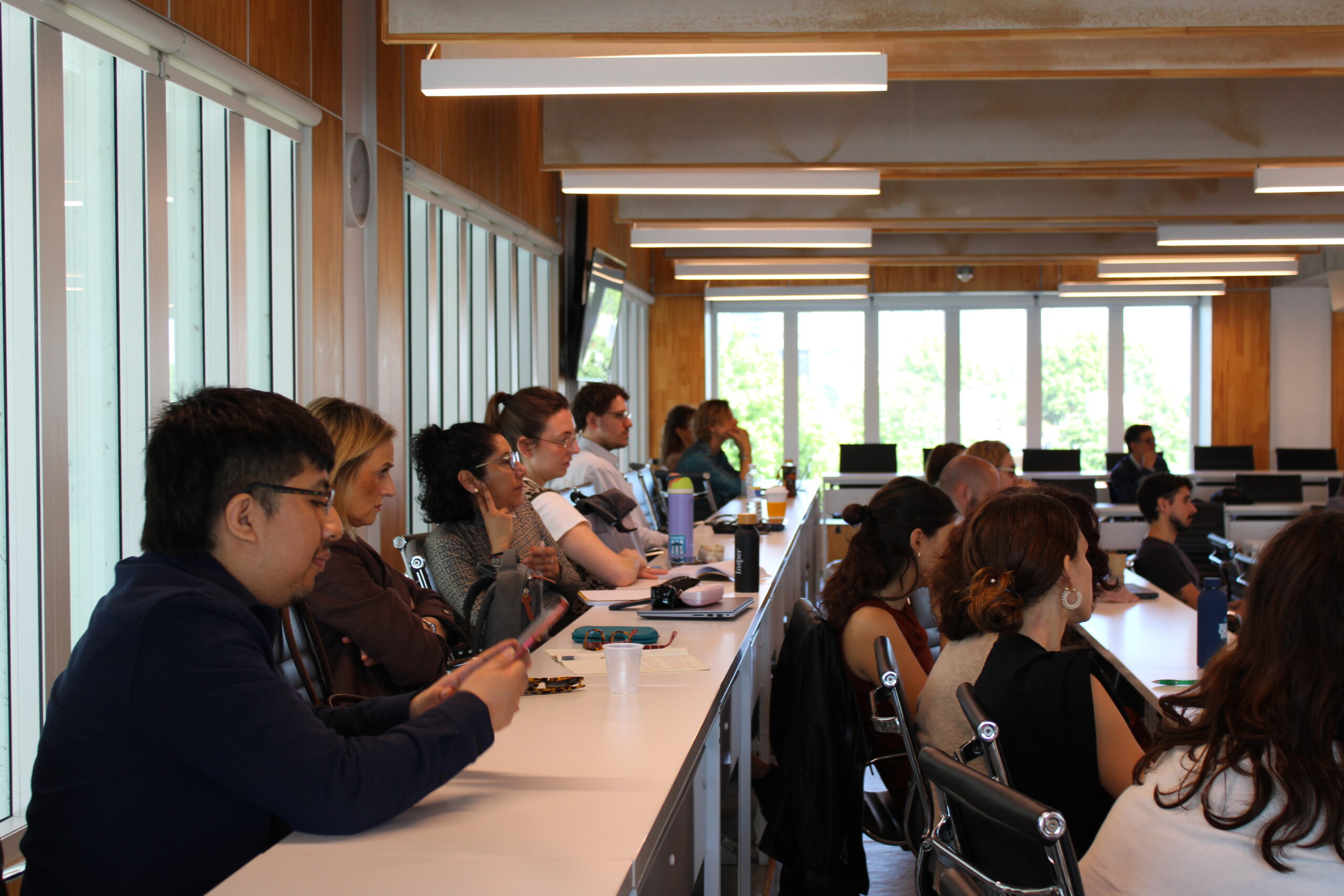
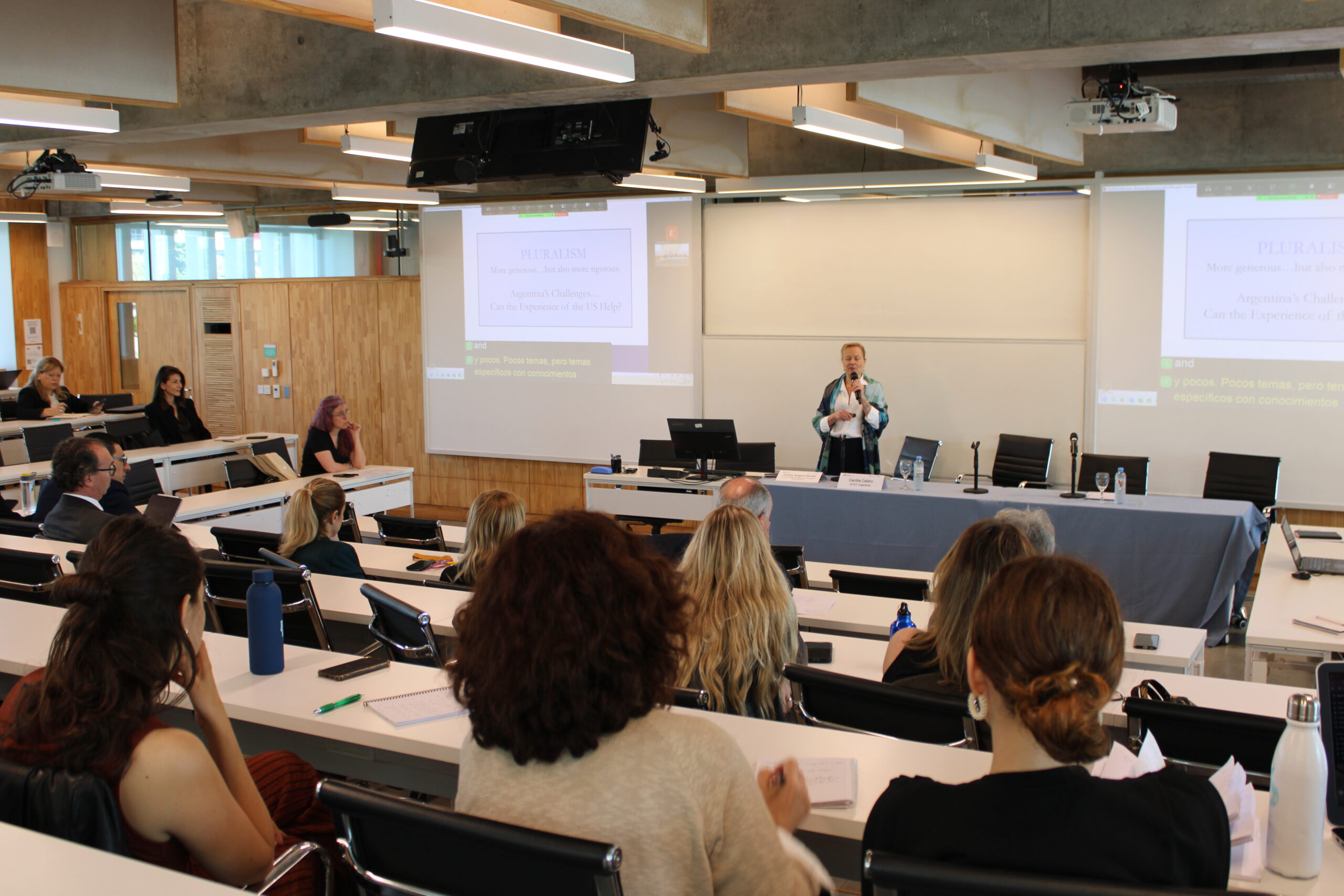
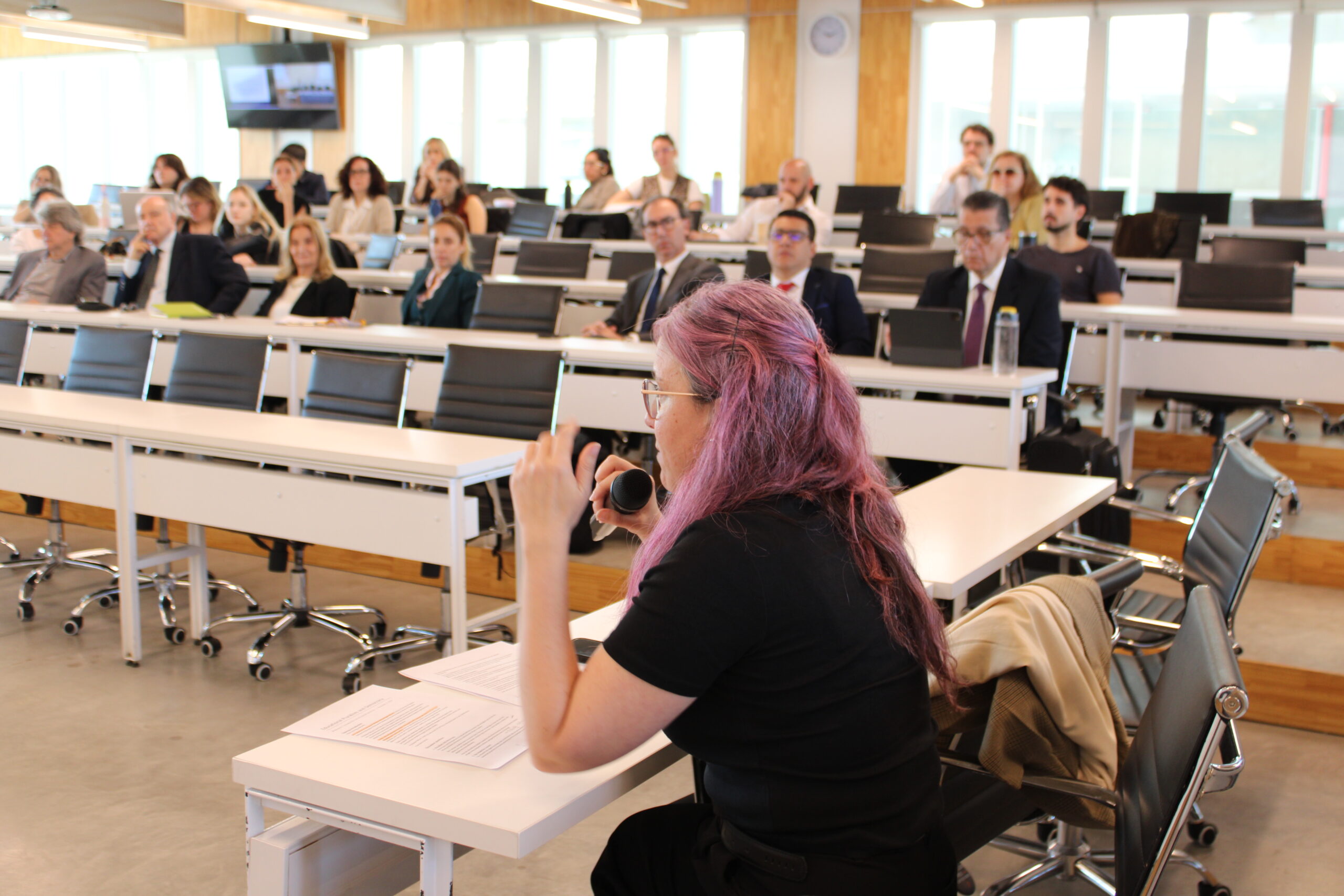
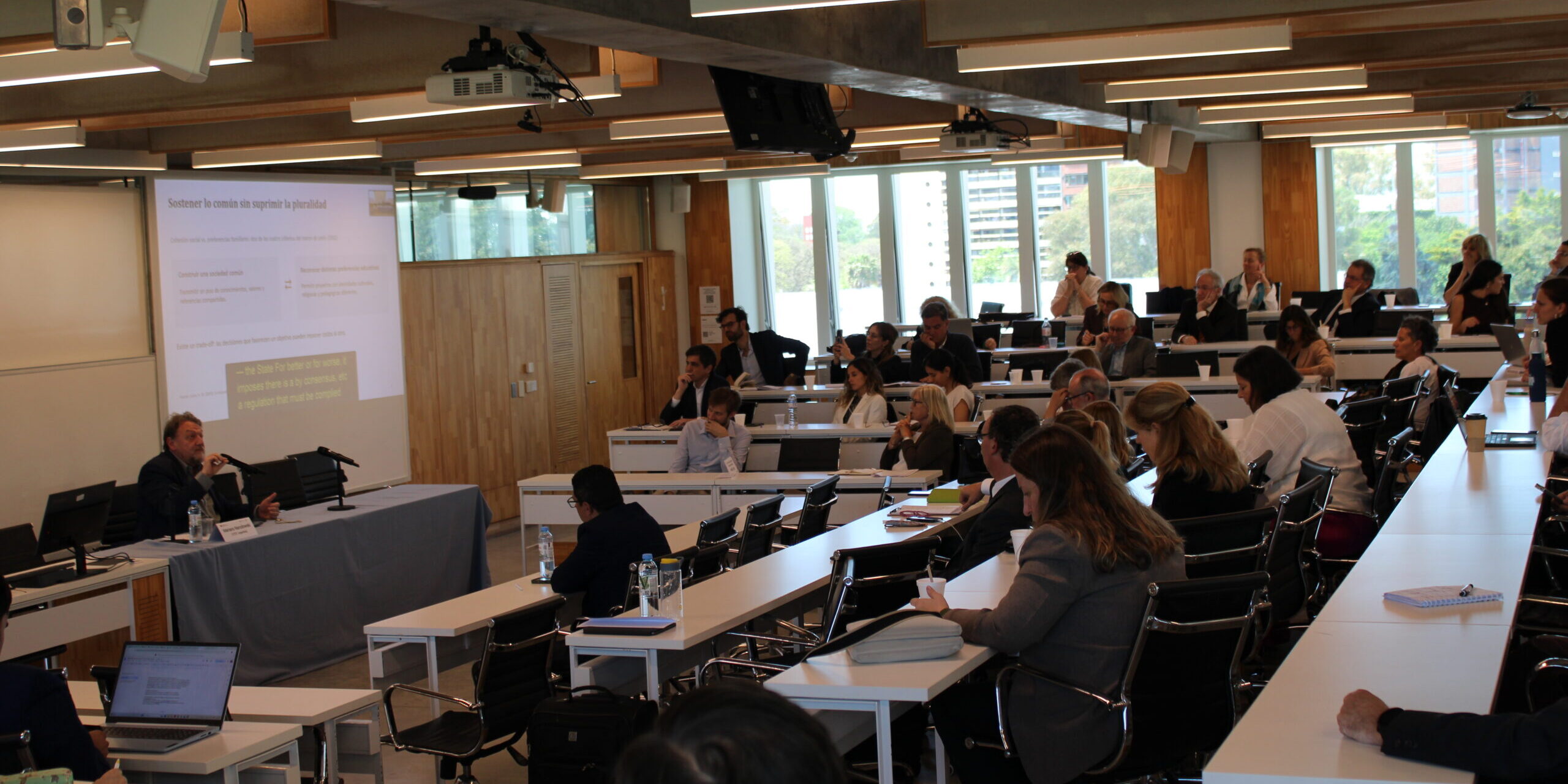
On 4 November 2026, Universidad Torcuato Di Tella in Buenos Aires hosted the international seminar “How Can We Build a Pluralistic, High-Quality Education System?”, held as part of the Educational Pluralism Events organized by OIDEL and the Institute for Education Policy of the Johns Hopkins University, in collaboration with Universidad Torcuato Di Tella.
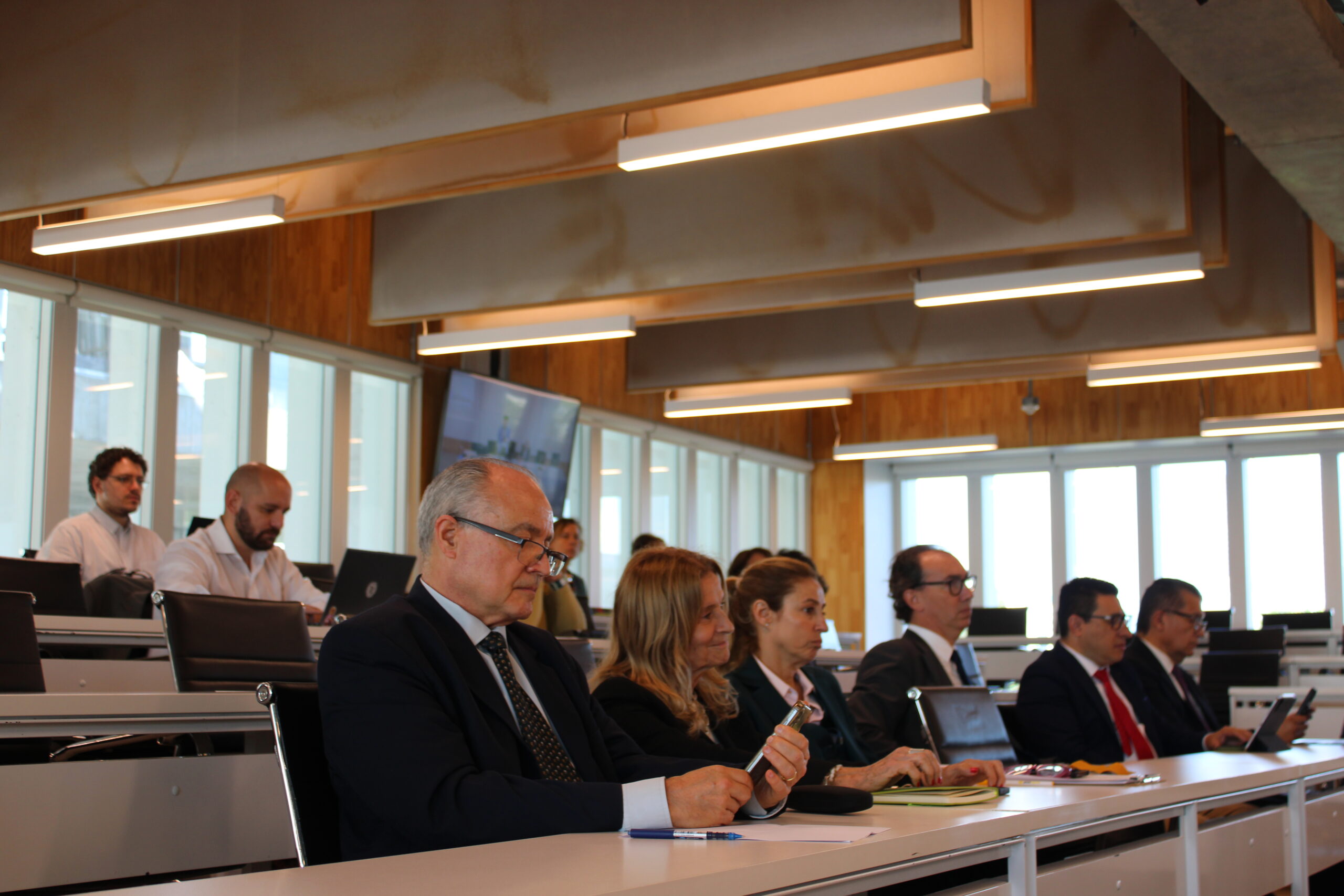
The event brought together international experts, academics, legal scholars, and current and former education policymakers from Latin America to address some of the major questions shaping today’s educational debate: How can educational freedom be reconciled with social cohesion? What should the State’s role in education be? How can educational diversity be guaranteed without compromising the quality of learning?
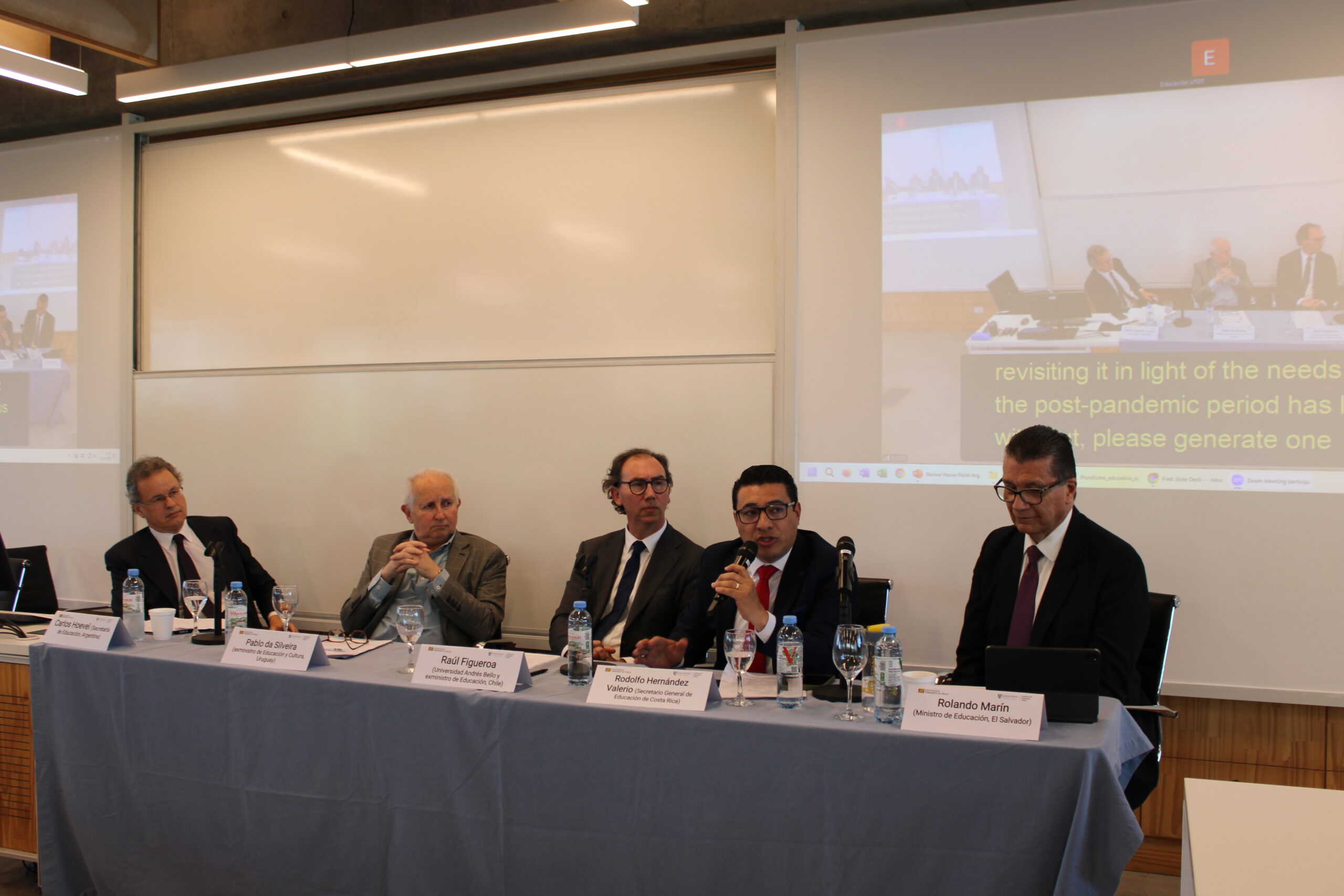
Participants included Ashley Rogers Berner and David Steiner, from the Johns Hopkins Institute for Education Policy; Mariano Narodowski, from Universidad Torcuato Di Tella; and current and former education policymakers from Chile, Uruguay, Colombia, and Costa Rica. The seminar also featured panel discussions bringing together representatives from the legal, political, and educational fields.
Does Greater Educational Pluralism Mean More Social Cohesion?
One of the central questions addressed during the seminar was the relationship between educational pluralism and social cohesion. Can a society maintain shared values and knowledge when its citizens receive an education rooted in different cultural, religious, philosophical, and pedagogical traditions?
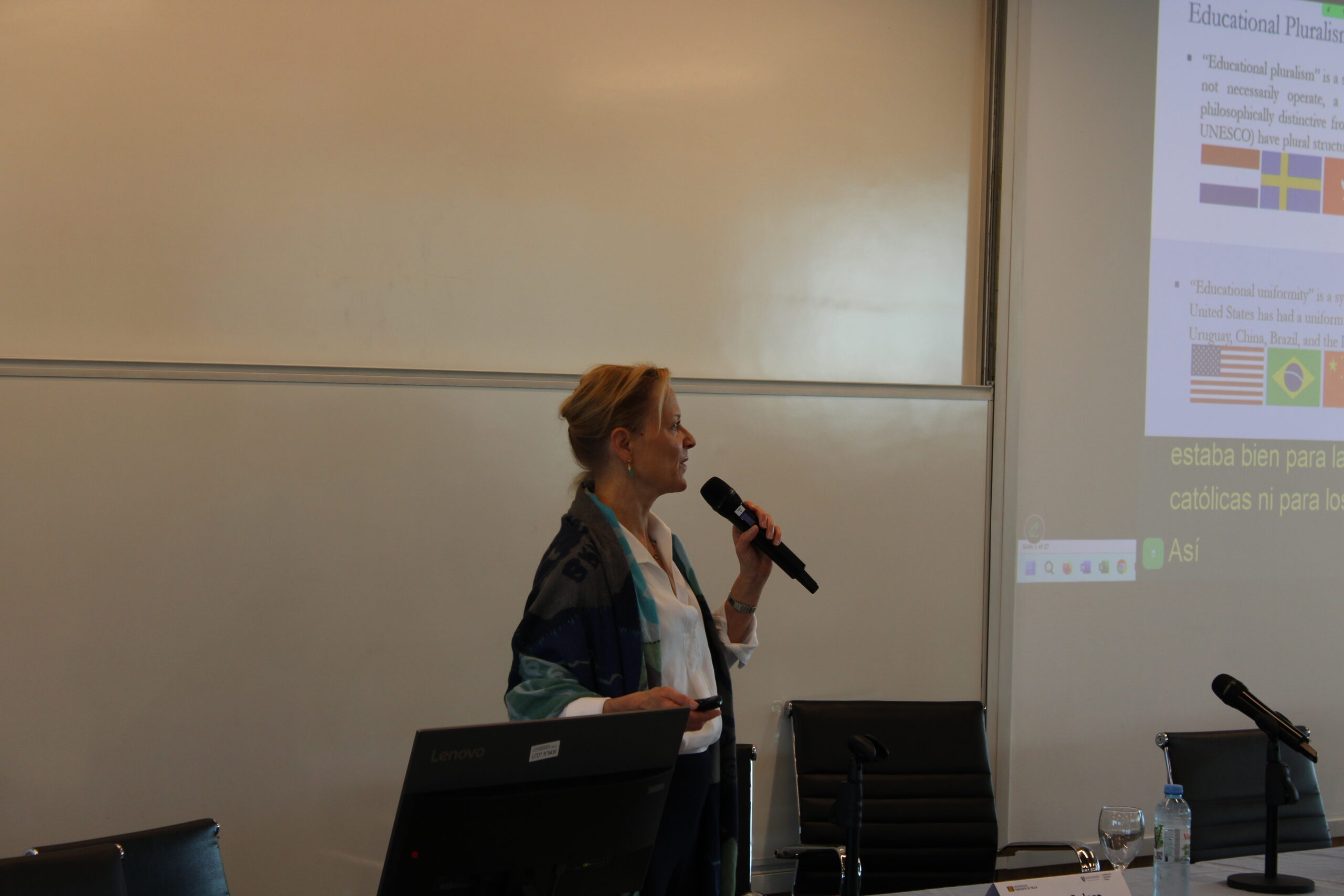
Professor Ashley Rogers Berner presented educational pluralism as a model that recognizes the diversity of families’ convictions and needs without abandoning common goals of academic achievement and civic education. From this perspective, the coexistence of different educational approaches does not necessarily undermine social cohesion, provided that educational quality and a shared foundation of knowledge are guaranteed.
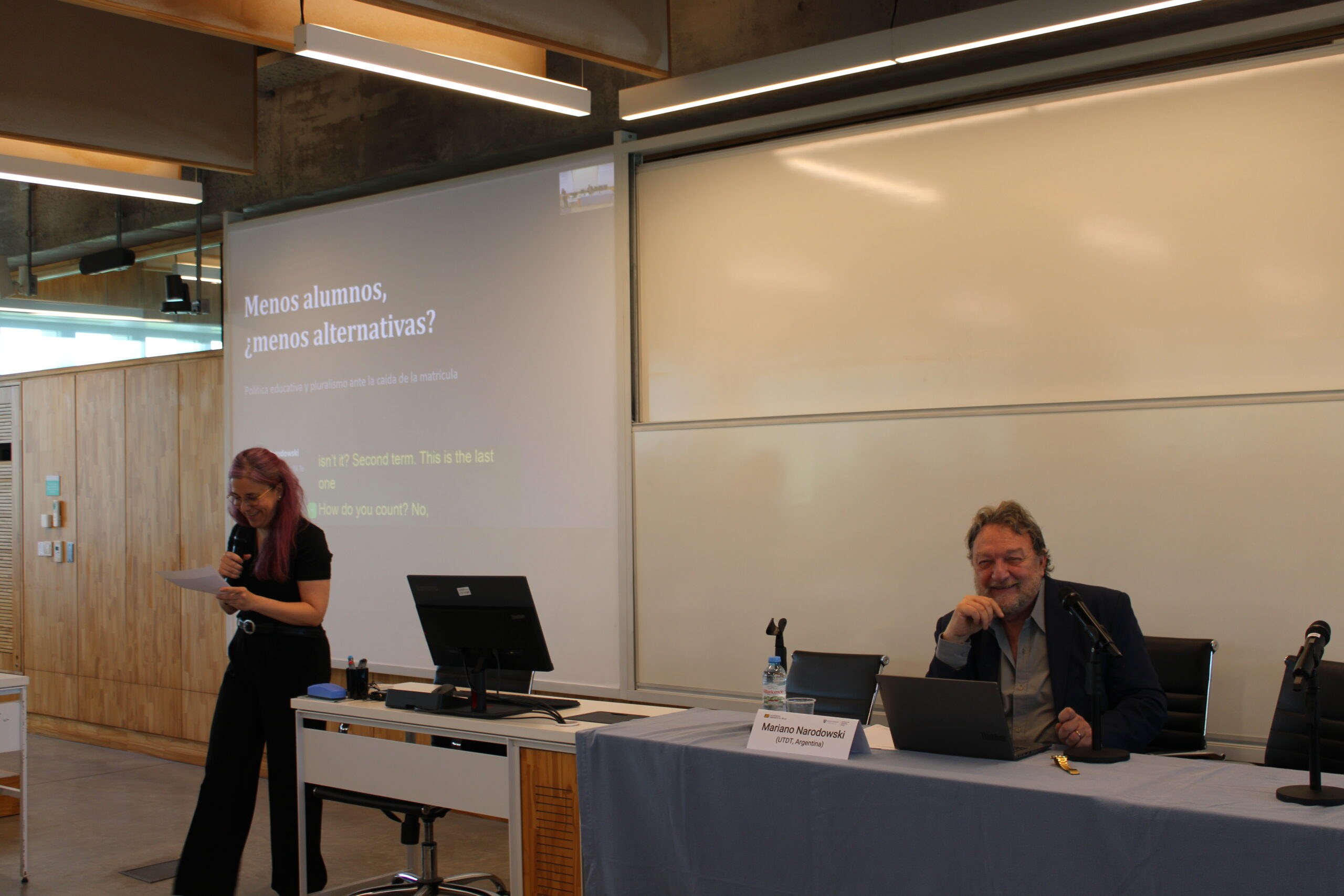
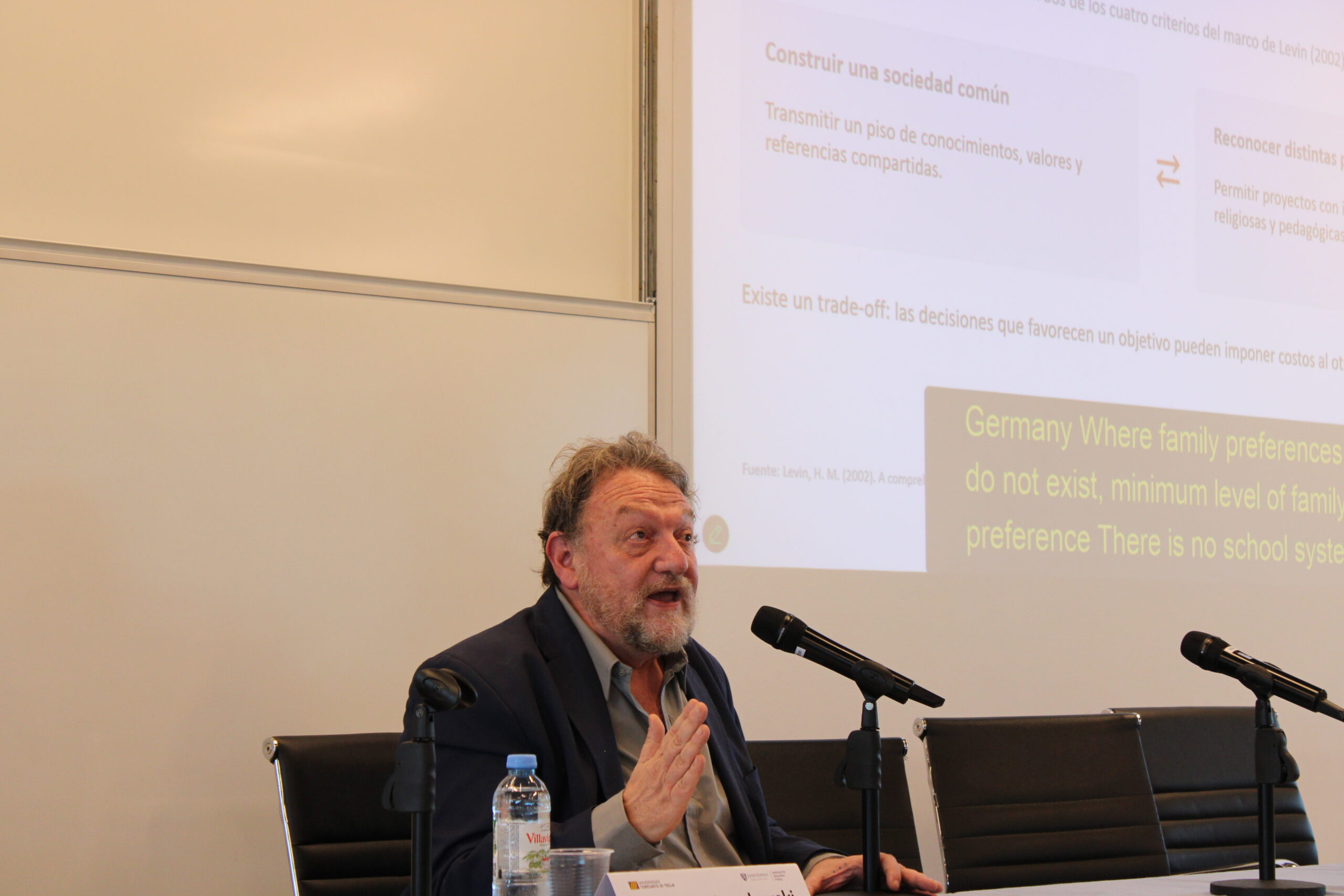
This tension was also explored by Mariano Narodowski, who examined the relationship between social cohesion and freedom of educational choice in light of the historical characteristics of Argentina’s education system.
In this context, participants emphasized that educational pluralism is not simply about the existence of differences, but about recognizing their legitimacy. A pluralistic society is not one in which everyone necessarily receives the same education, but one that recognizes and respects the diversity of educational approaches within a shared framework of civic coexistence.
Does Guaranteeing Education Mean That the State Must Provide It?
Another major debate focused on the role of the State in contemporary education systems.
The historical development of education has contributed to the consolidation, in many countries, of a paradigm in which guaranteeing the right to education is equated with direct State provision. However, the State’s responsibility to guarantee this right does not necessarily mean that it must be the sole provider of education.
Throughout the seminar, participants reflected on the importance of recognizing the role of families, non-governmental educational institutions, and civil society organizations in building pluralistic education systems.
In this regard, Ashley Rogers Berner highlighted how educational pluralism makes it possible to combine public responsibility for funding, regulating, and ensuring educational quality with the existence of educational institutions that develop their own pedagogical and philosophical approaches.
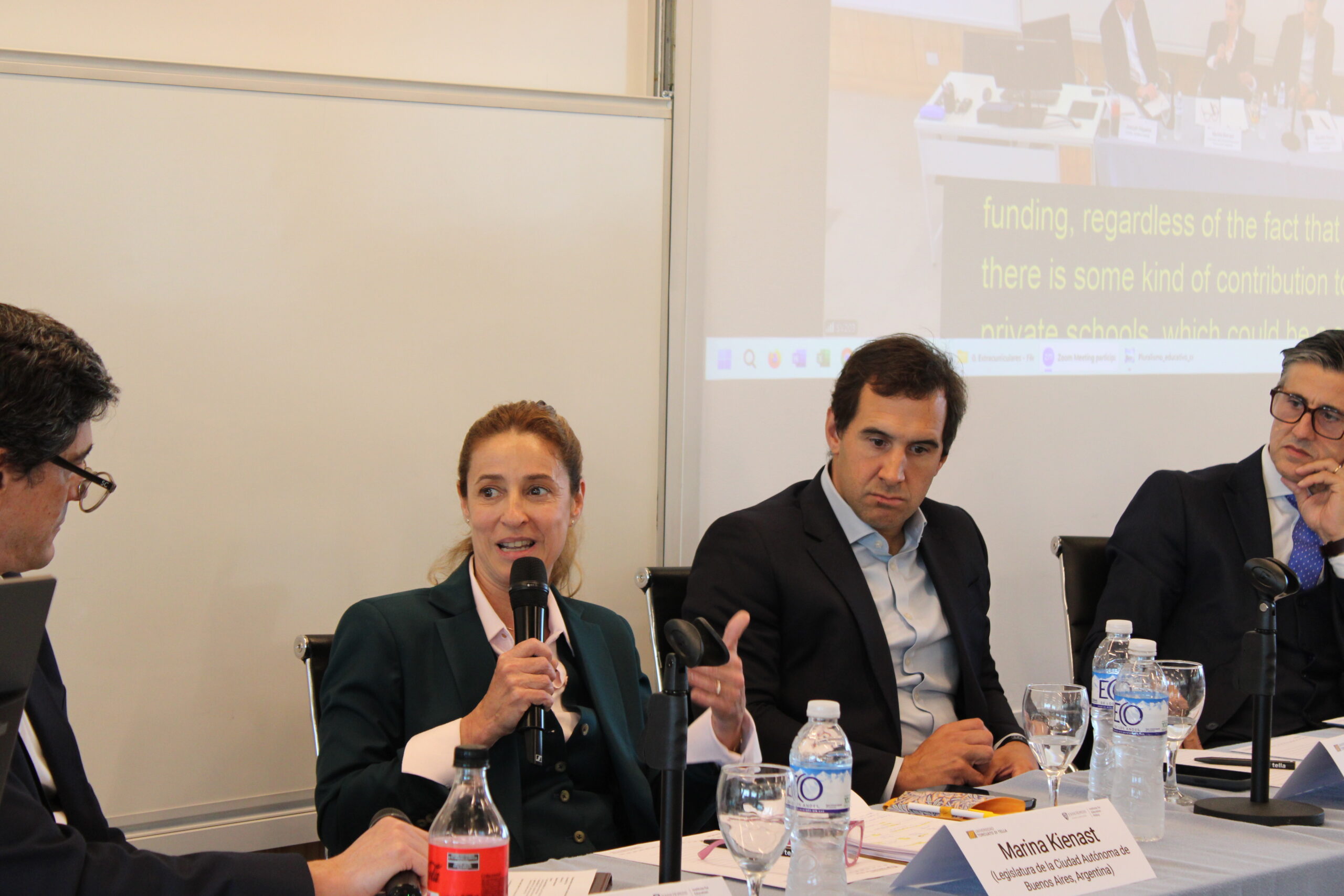
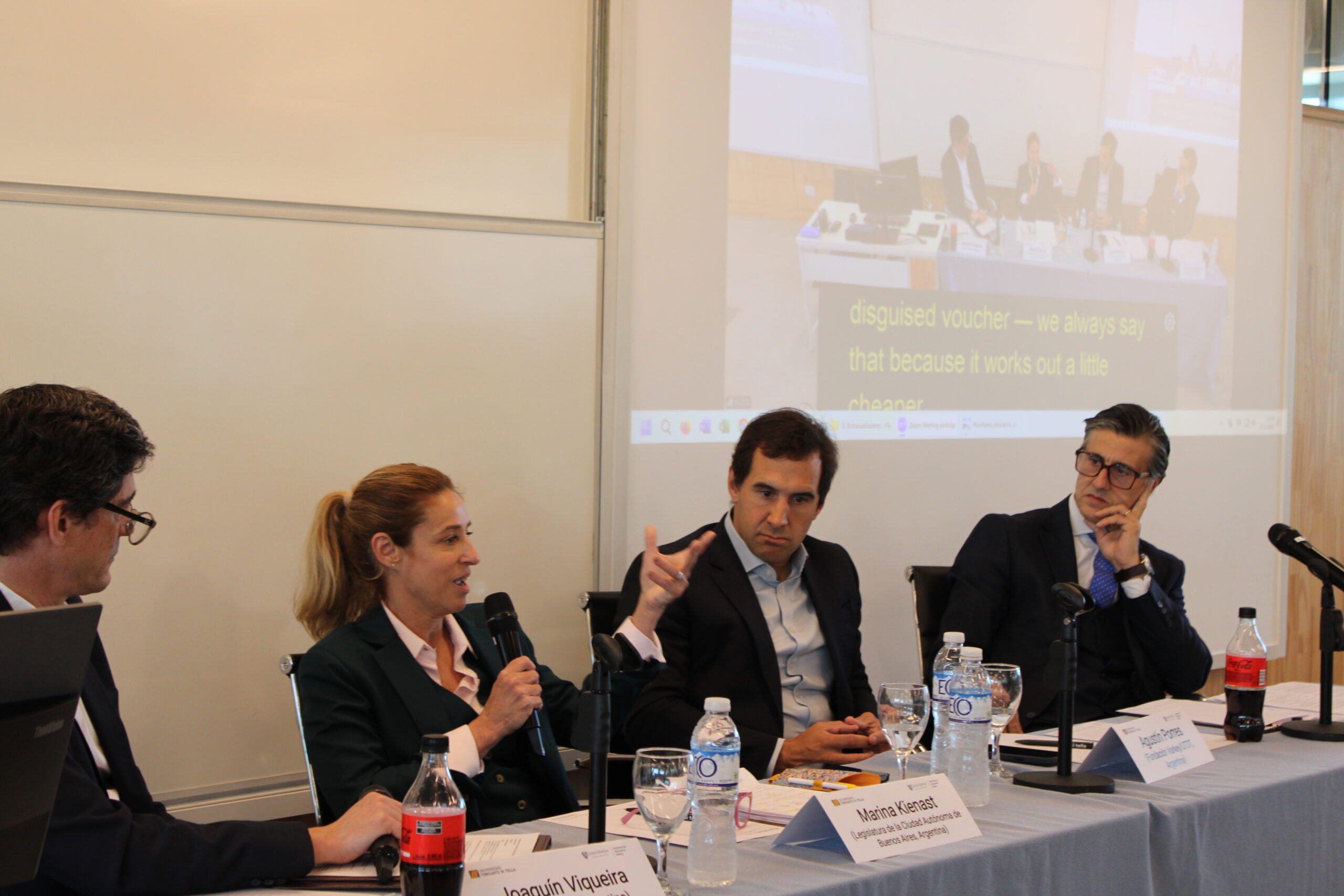
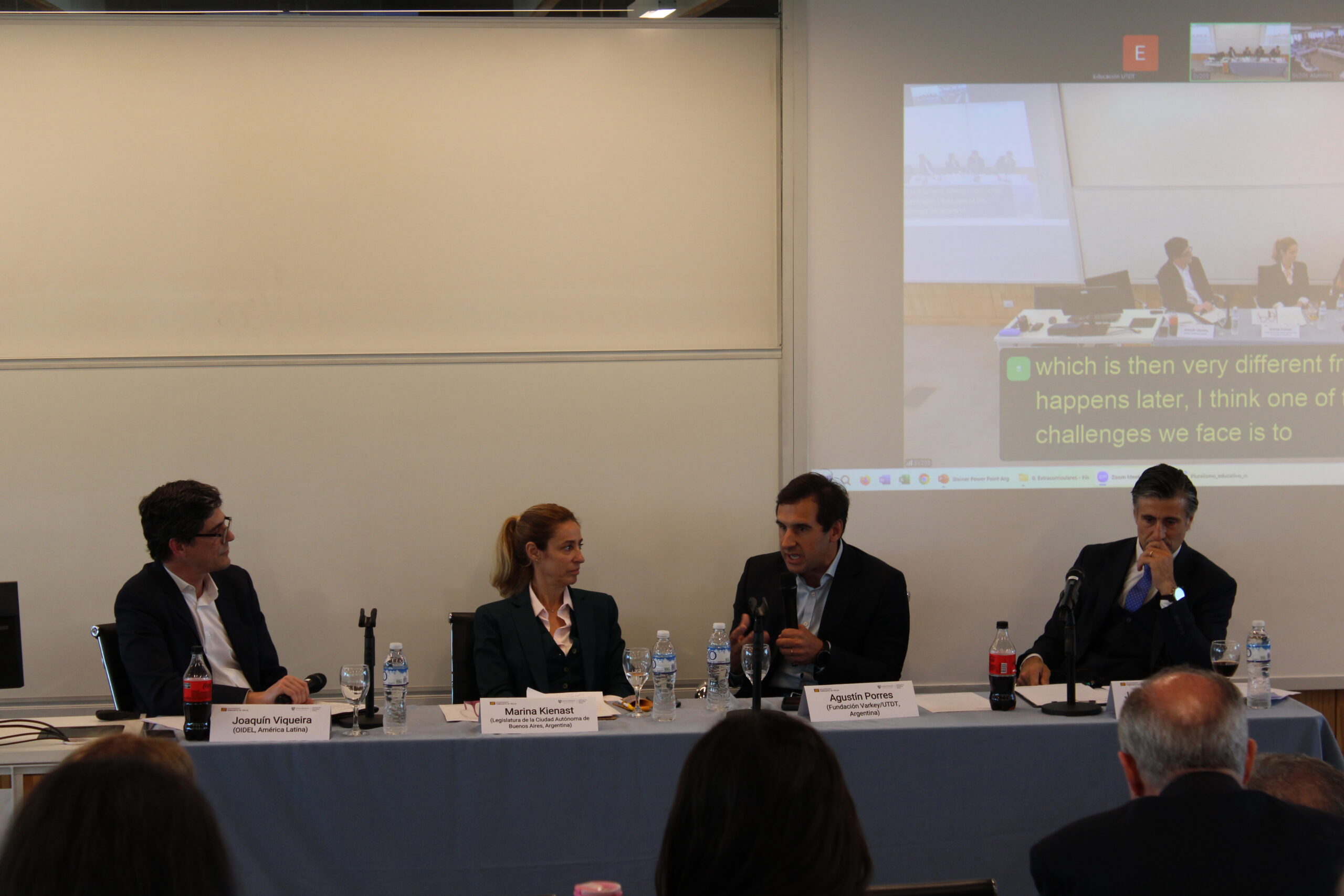
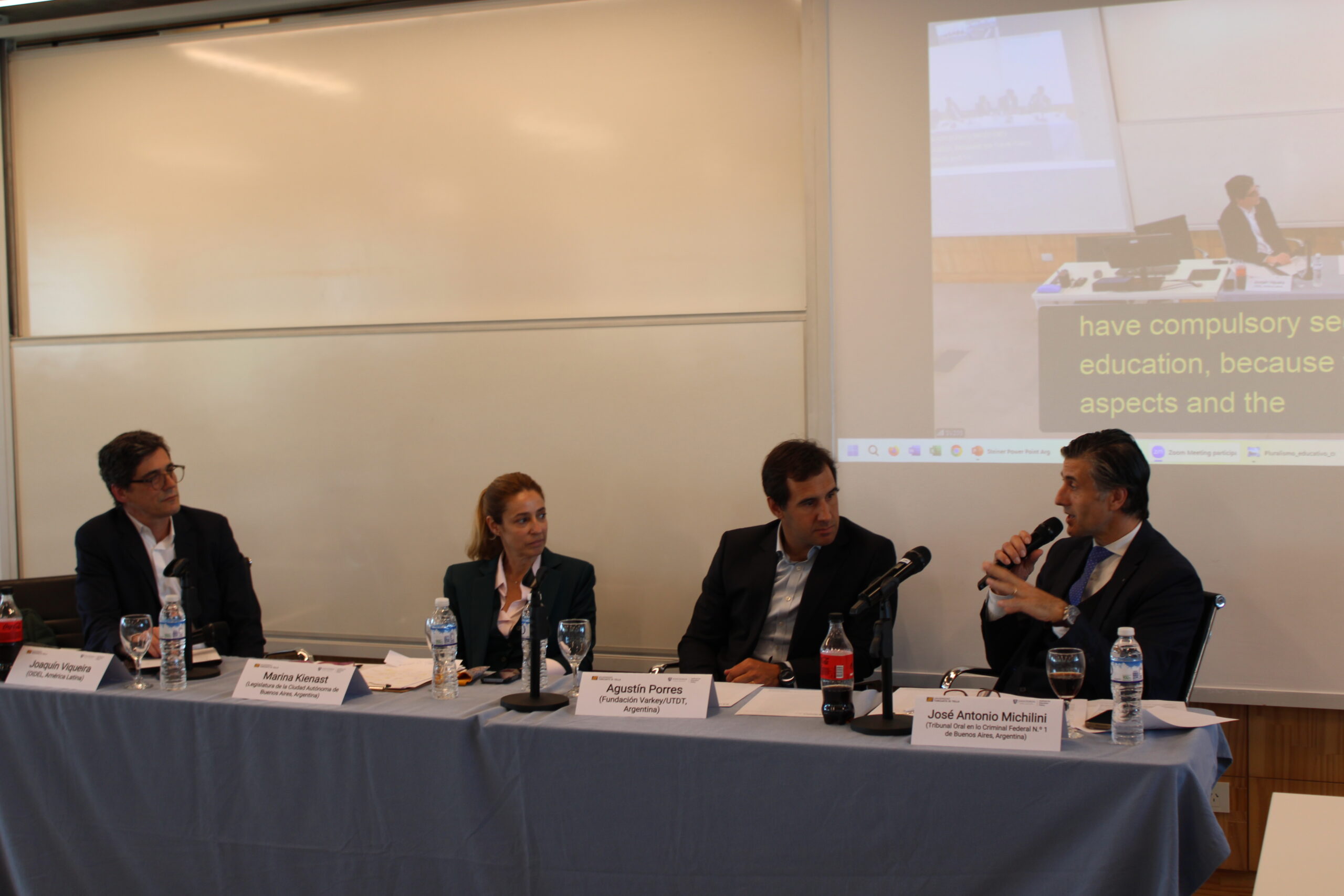
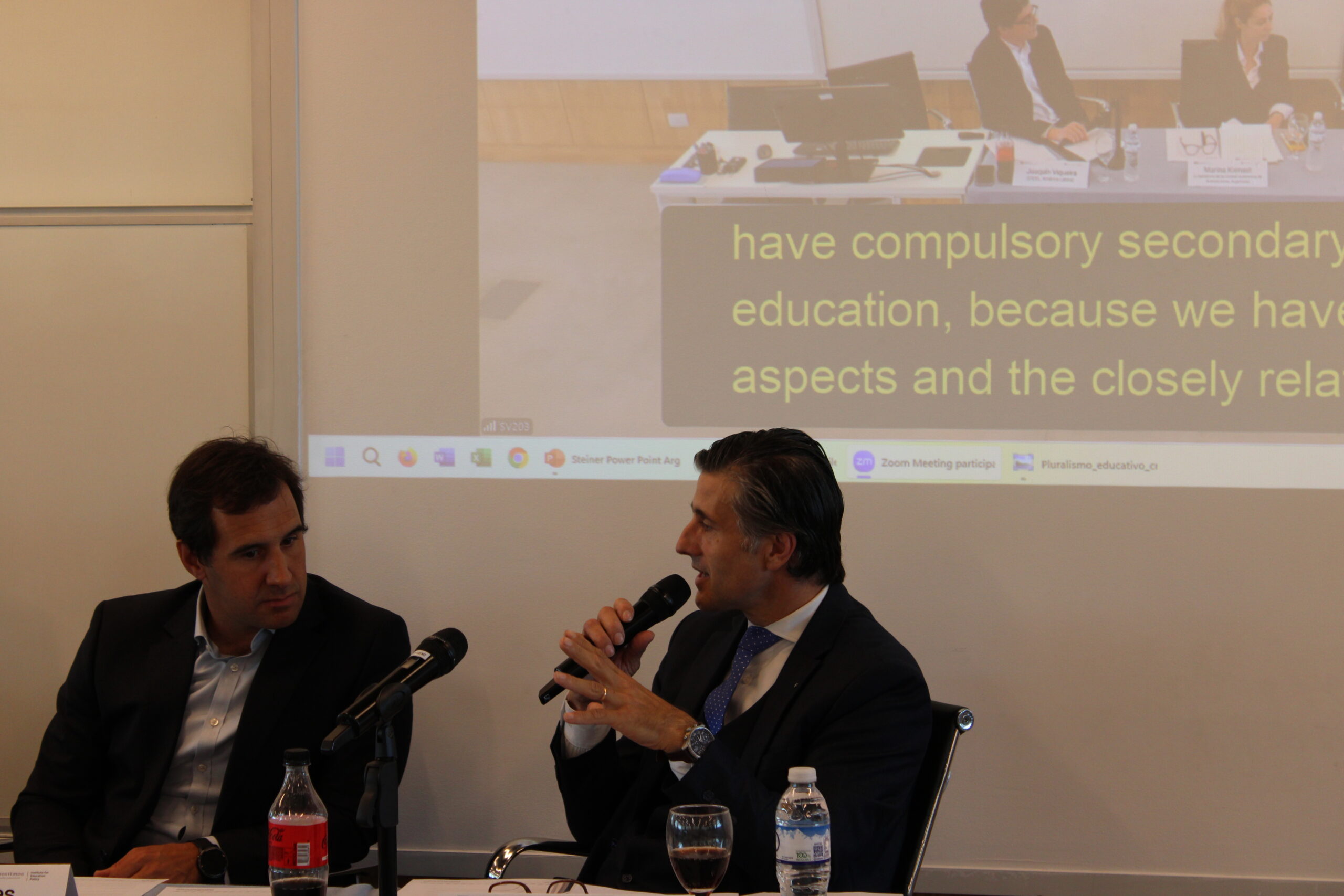
This question was also addressed during the panel discussion “Who Does Education Belong To?”, featuring Marina Kienast, Agustín Porres, and José Antonio Michelini. Michelini raised concerns about the tendency to focus efforts on managing education rather than ensuring the right to education in all its dimensions.
Participants also emphasized the need to grant schools greater autonomy and rebuild trust among families, teachers, and policymakers. Although all share the goal of ensuring quality education, a lack of trust among these actors can hinder cooperation and the development of stable education policies.
Freedom of Educational Choice Should Not Depend on Families’ Financial Resources
The seminar also addressed a fundamental question concerning the effective realization of educational pluralism: the existence of different educational options does not guarantee that all families can access them.
During her presentation, Ashley Rogers Berner argued that freedom of educational choice should not be a privilege reserved for families with greater financial resources, but a genuine opportunity available to all families, regardless of their socioeconomic circumstances.
Along similar lines, Mariano Narodowski emphasized that recognizing the diversity of educational approaches must be accompanied by conditions that ensure effective access to them. When certain educational options are only accessible to part of the population, pluralism may exist formally but remains significantly limited in practice.
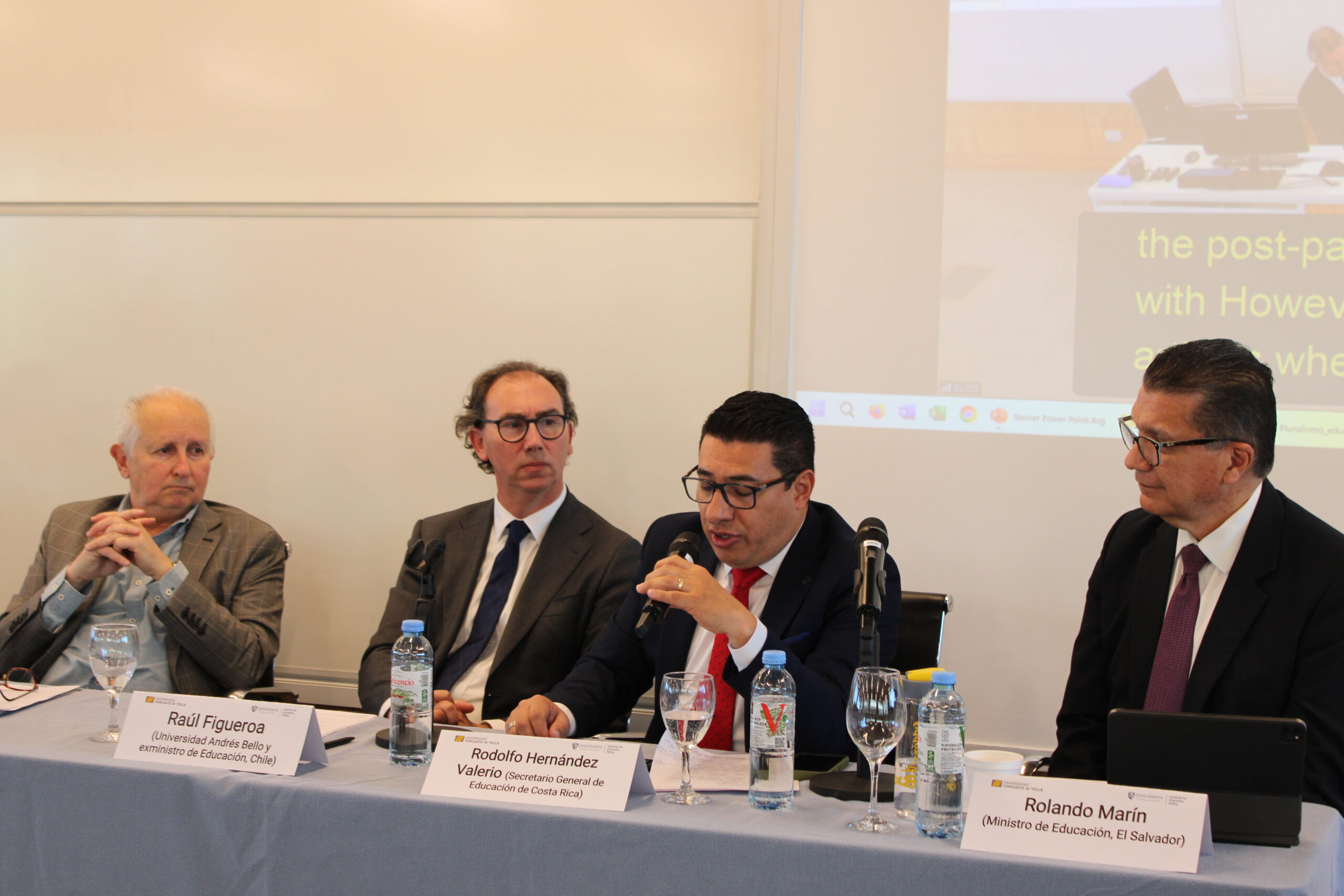
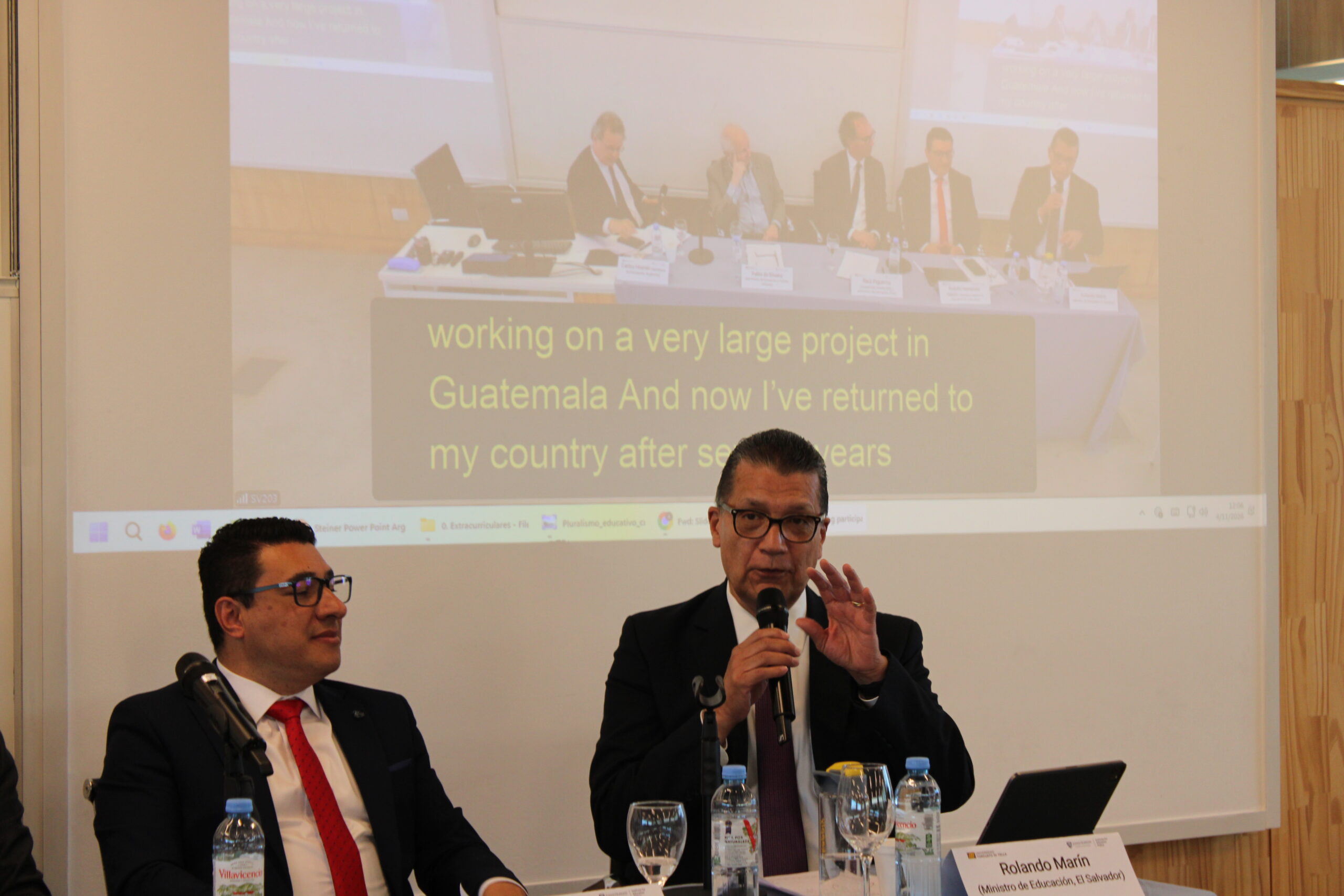
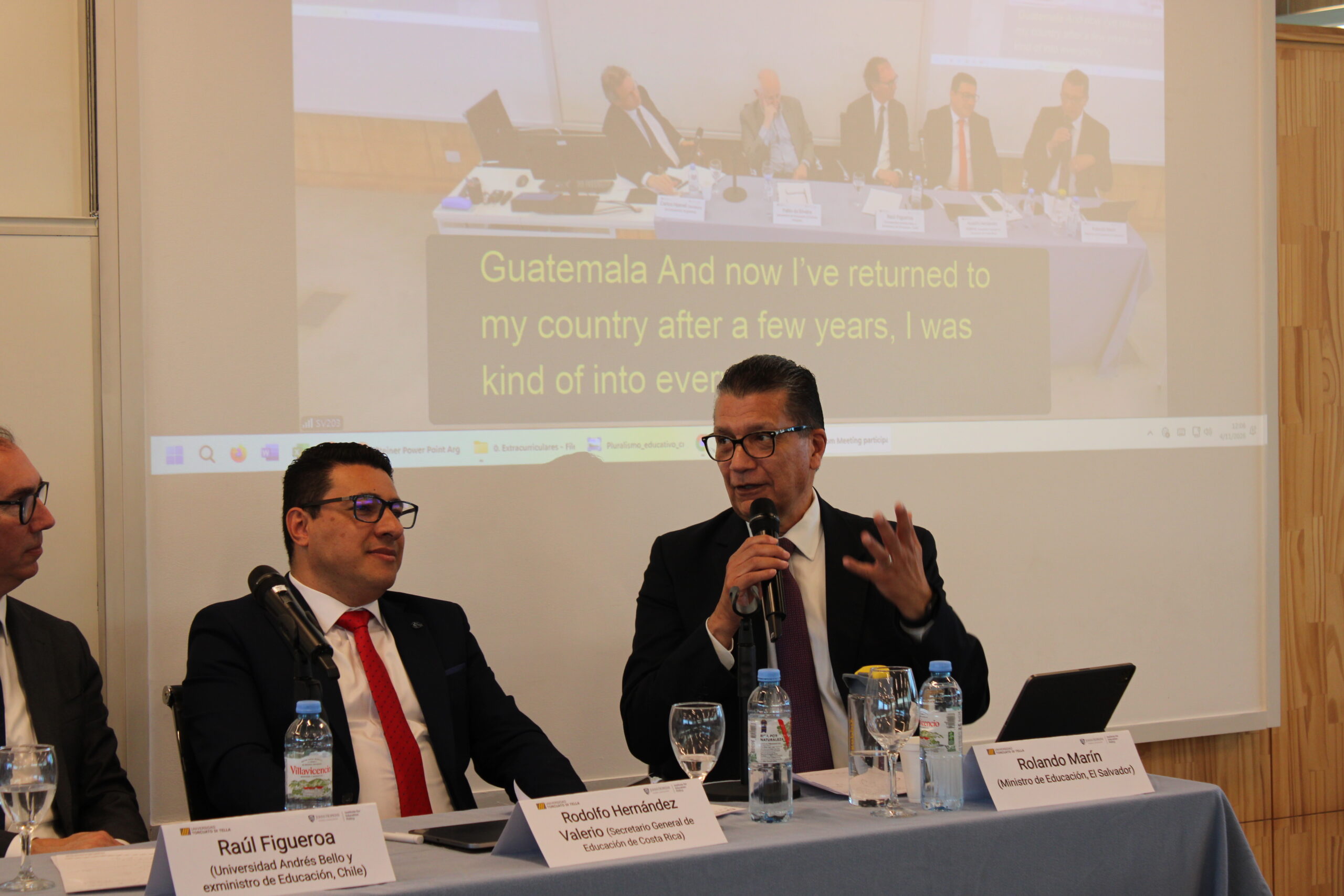
These issues were connected to the experiences shared by current and former education policymakers from Latin America, including Pablo da Silveira, Raúl Figueroa, Álvaro José Cifuentes Ramírez, and Rodolfo Hernández Valerio, who reflected on the challenges of building and governing pluralistic education systems in different national contexts.
Their contributions brought the perspectives of those directly involved in designing and implementing education policies into the discussion, highlighting the importance of adapting solutions to each country’s institutional and social realities.
Are We Teaching Students to Think, or Are We Neglecting Knowledge?
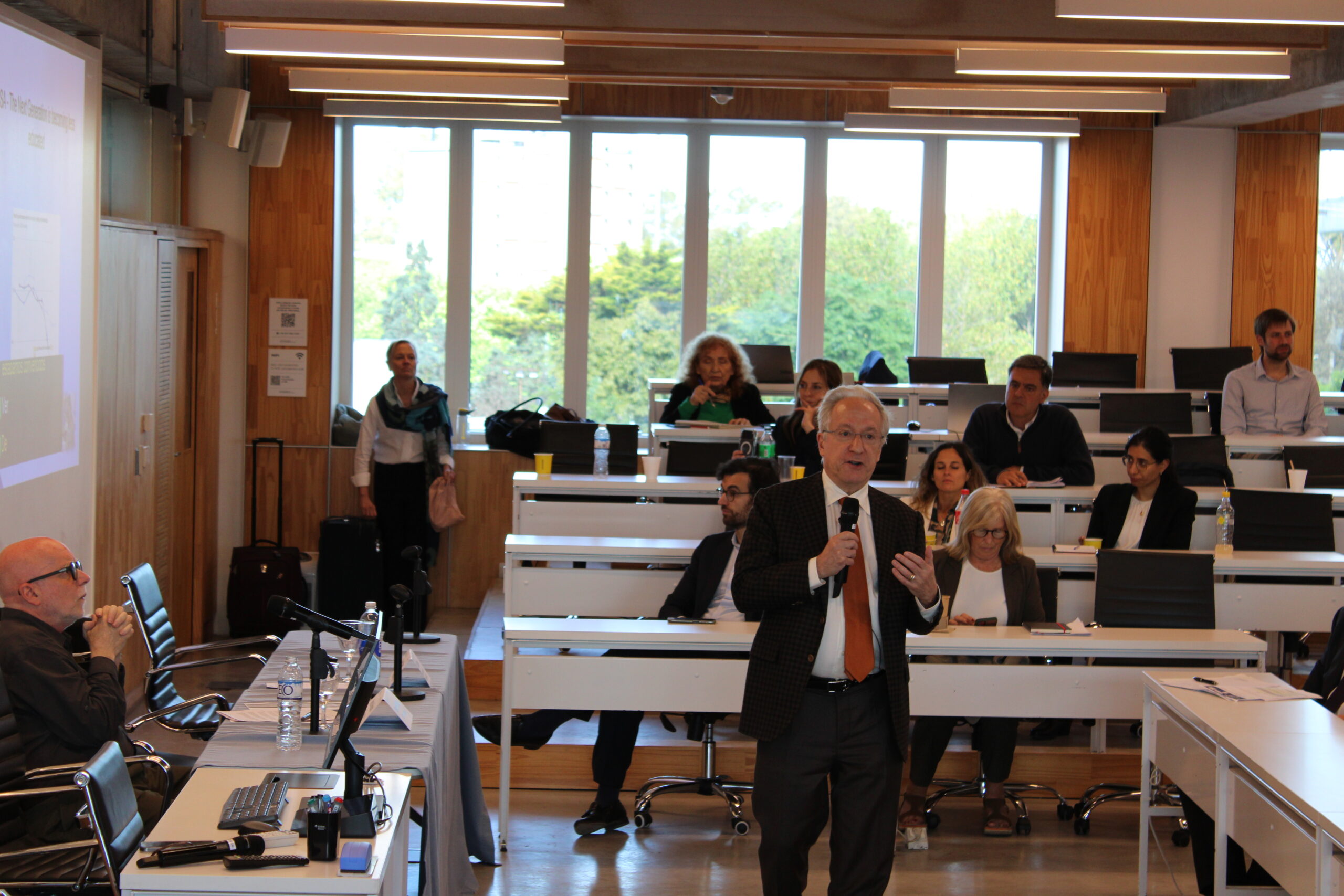
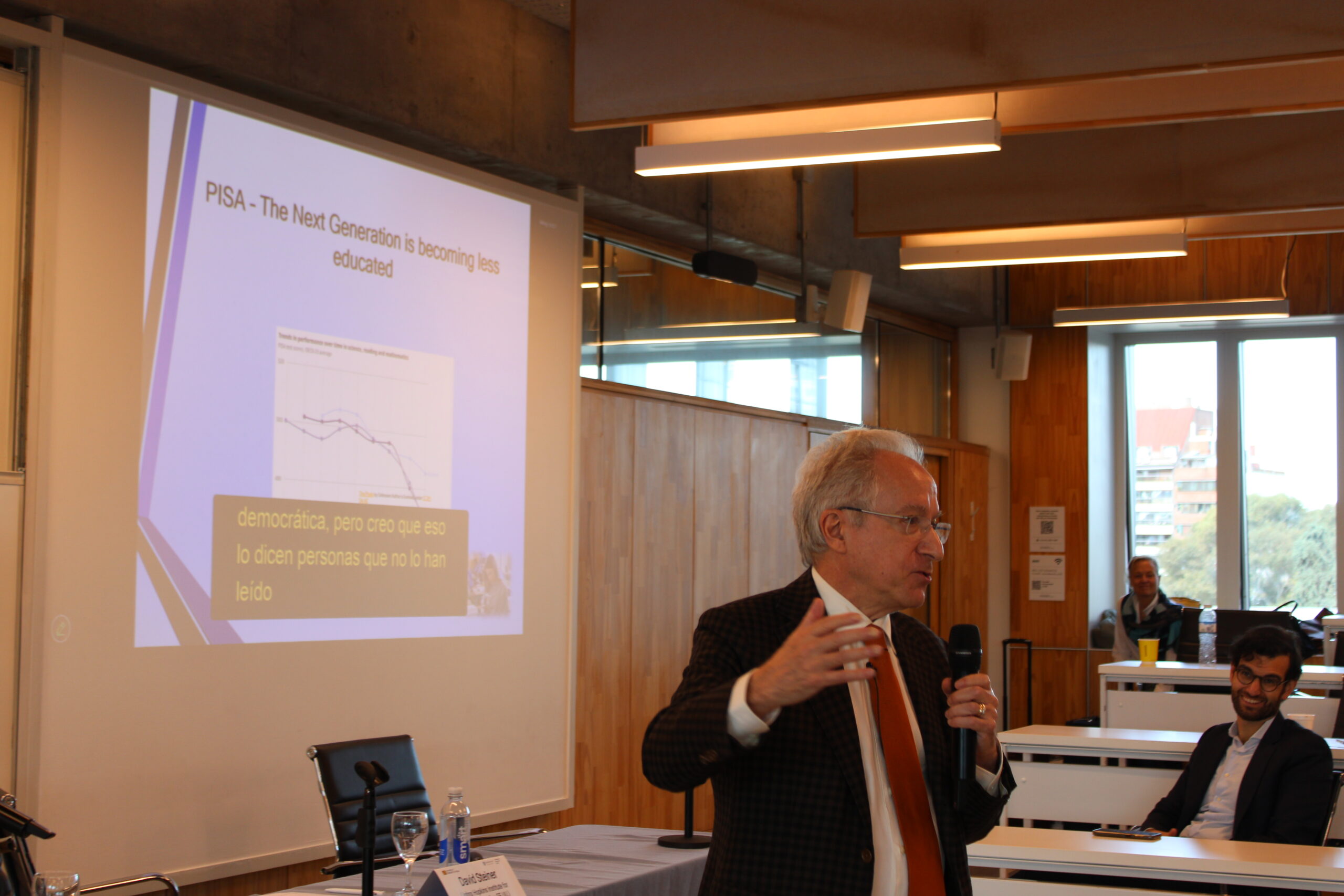
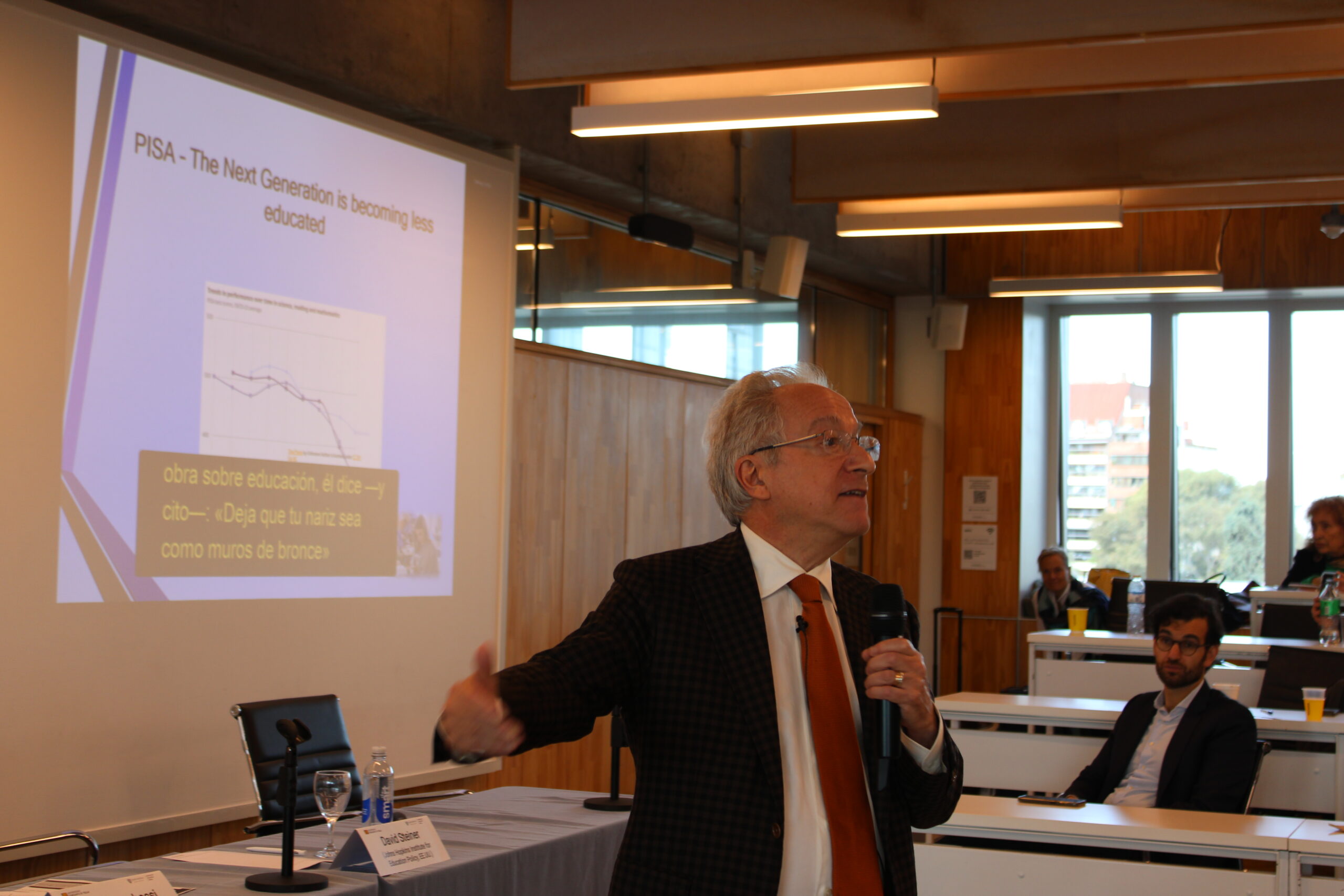
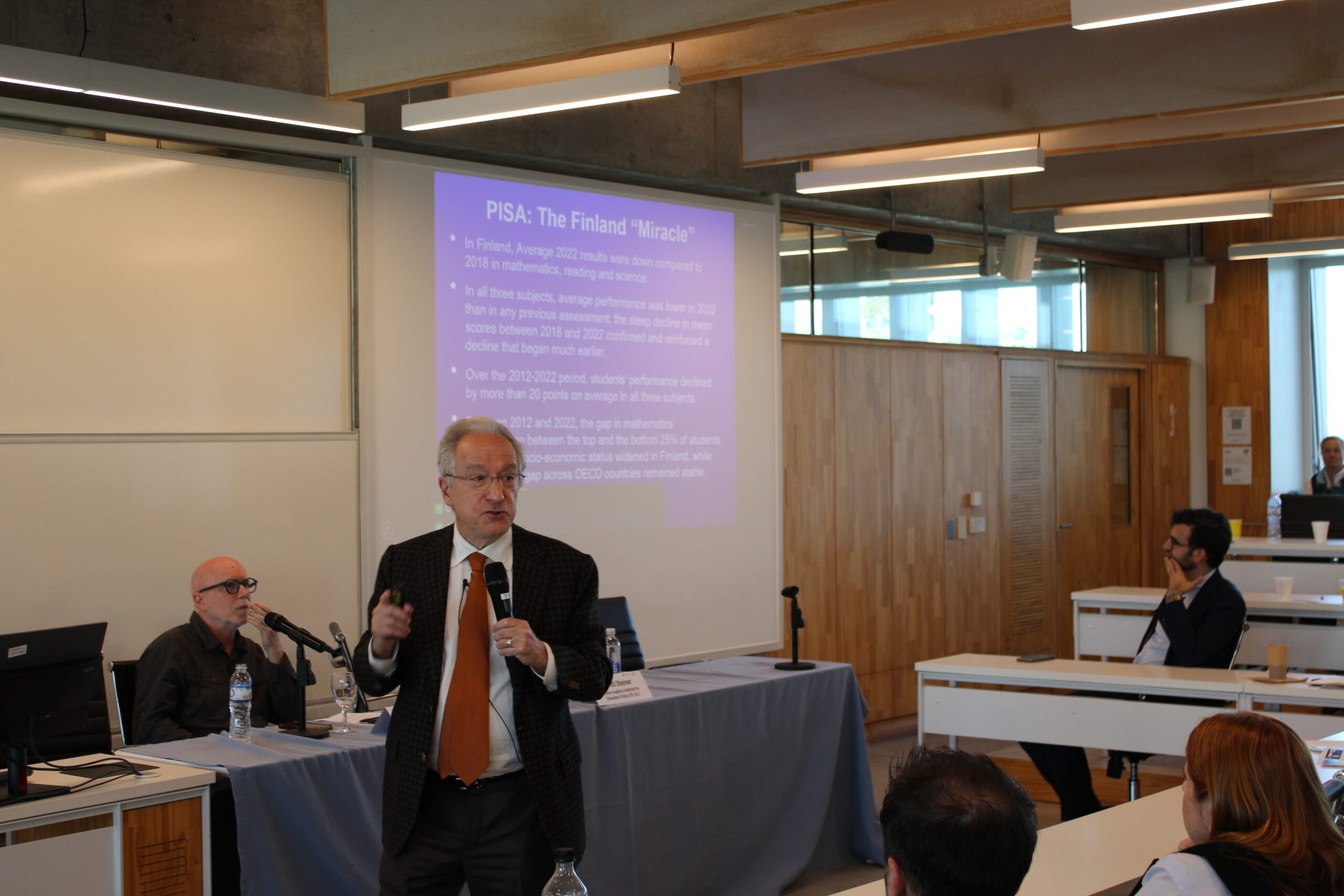
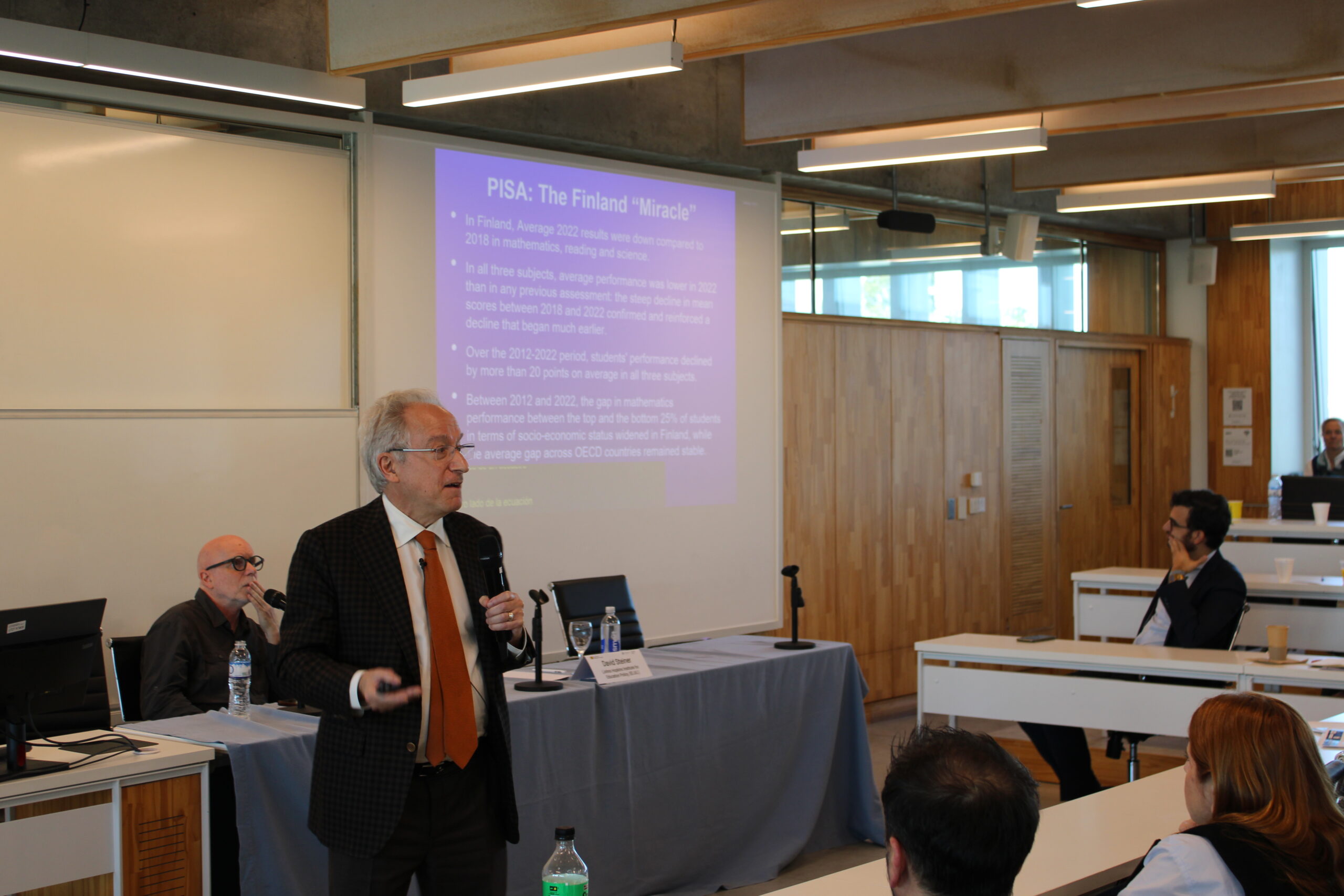
Educational quality was another major theme of the seminar, particularly during David Steiner’s presentation, which concluded the series of lectures.
At a time when concepts such as critical thinking, creativity, and “learning how to learn” are increasingly prominent in educational debates, Steiner raised a fundamental question: Is it possible to think critically about something without knowing anything about it?
Tracing the historical evolution of education, from the transmission of knowledge and traditions through stories and songs to contemporary approaches focused on skills, Steiner questioned the growing tendency to present general skills as substitutes for academic content.
His presentation emphasized that developing critical thinking requires subject-specific knowledge and that, therefore, quality education cannot dispense with the rigorous transmission of academic content.
He also addressed the role of assessment in improving educational outcomes, highlighting that what we assess matters just as much as how we assess it. The selection of the knowledge and skills to be assessed shapes teaching priorities and, consequently, student learning.
These reflections provided an opportunity to explore one of the main challenges of educational pluralism: how to combine the autonomy of educational institutions with the guarantee of a shared foundation of essential learning, ensuring that pedagogical diversity does not lead to inequalities in educational quality.
A Necessary Debate on the Future of Education
The discussions held at Universidad Torcuato Di Tella demonstrated that building pluralistic, high-quality education systems requires moving beyond the traditional opposition between public and private education.
Educational pluralism raises deeper questions about the relationship between freedom and social cohesion, between State responsibility and civil society initiatives, and between school autonomy and the quality of learning.
The seminar marked the conclusion of the Educational Pluralism Events held in Buenos Aires from 2 to 4 November, which brought together experts, academics, and education policymakers to reflect on the challenges facing Latin American education systems and contribute to the international debate on the recognition and effective guarantee of educational pluralism.