Buenos Aires (Argentina), 3 November 2026
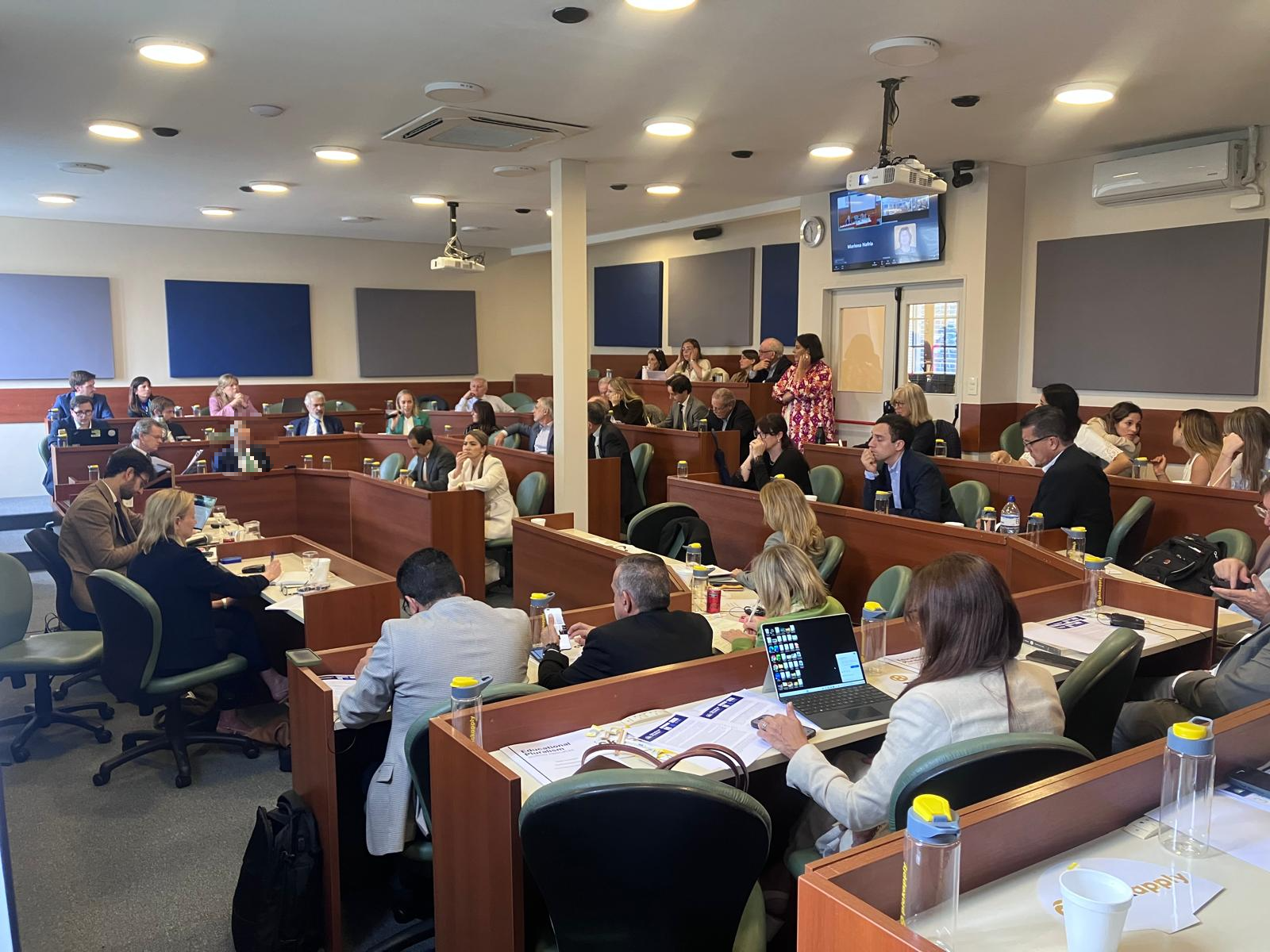
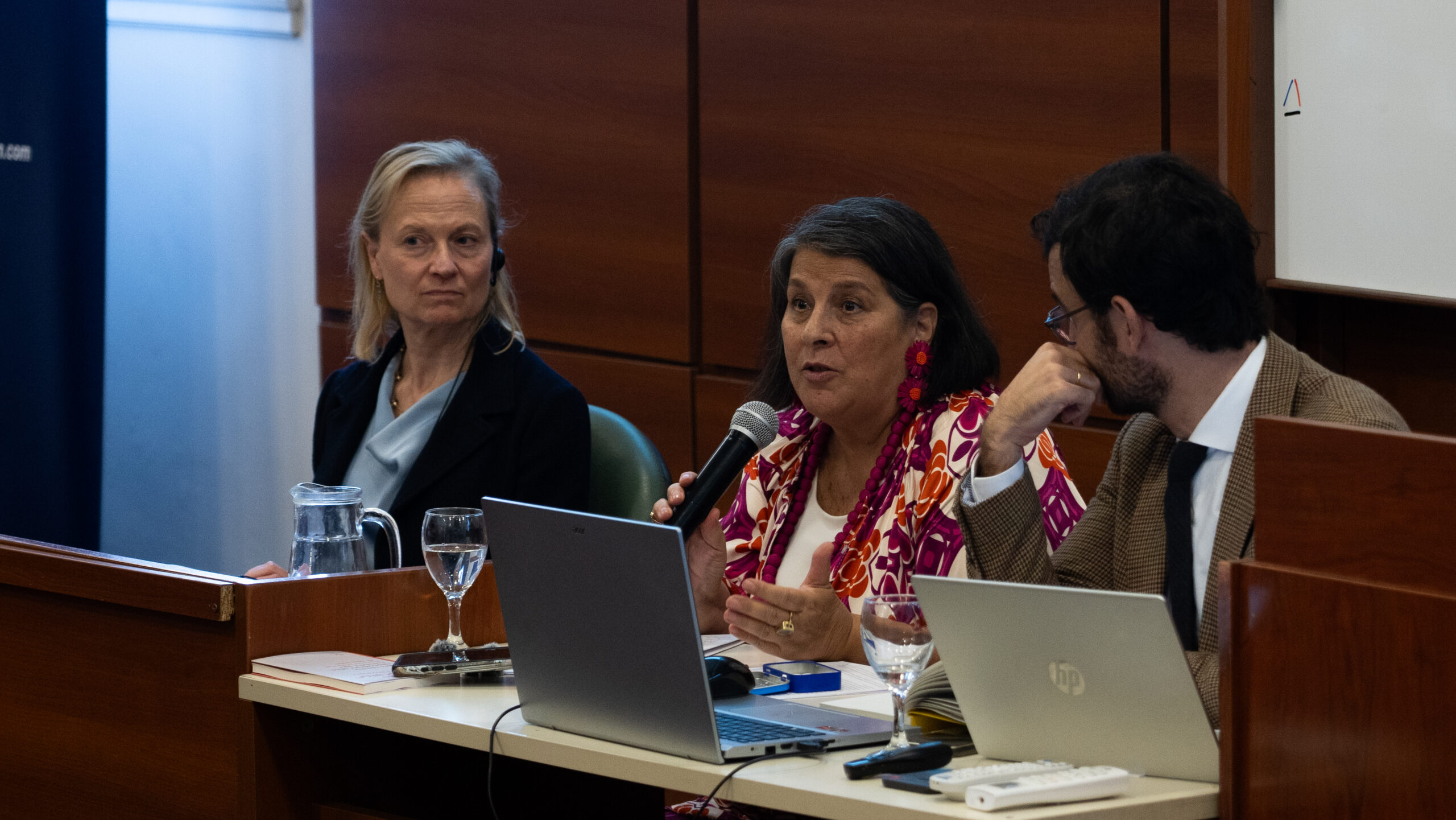
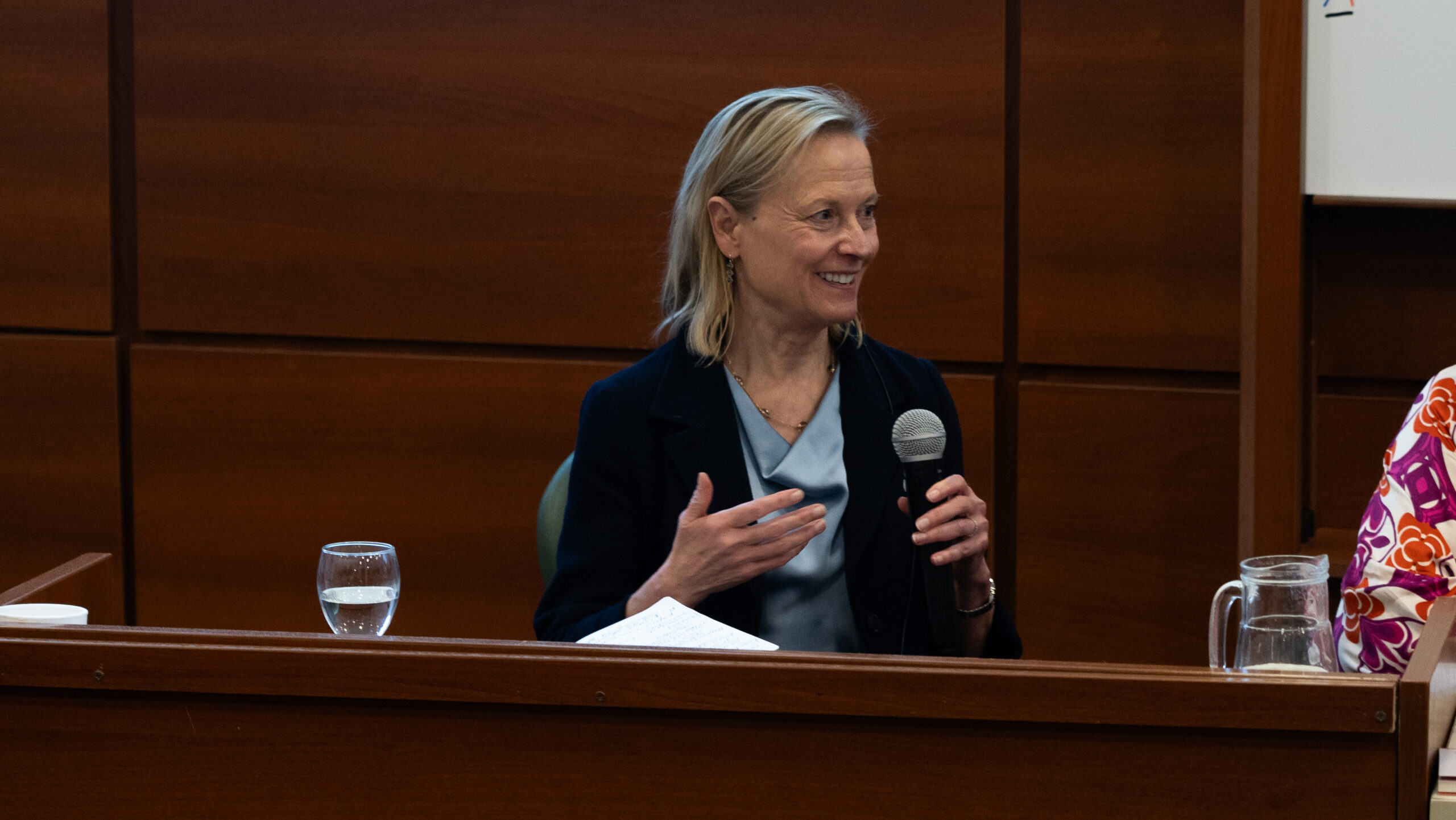
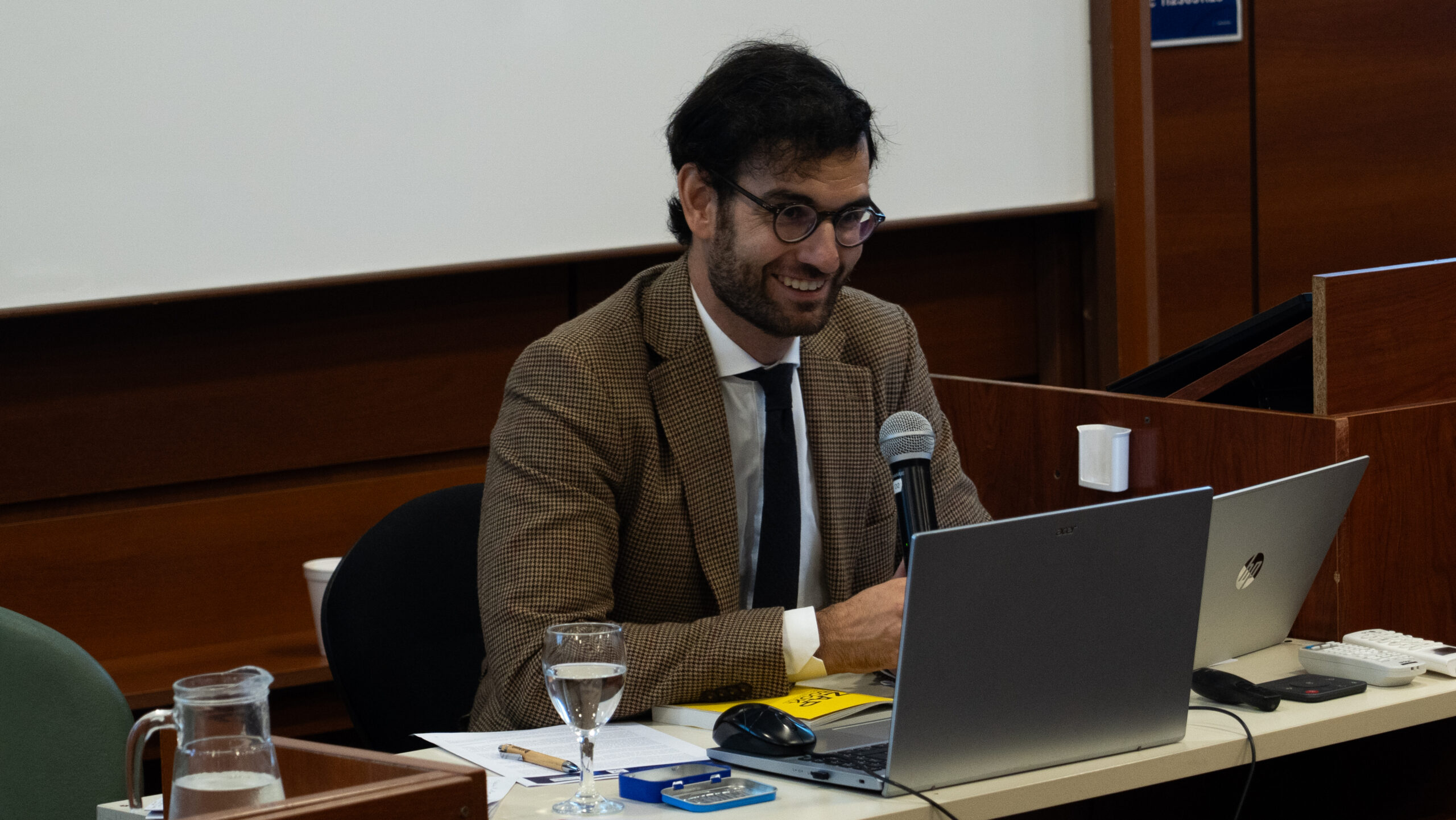
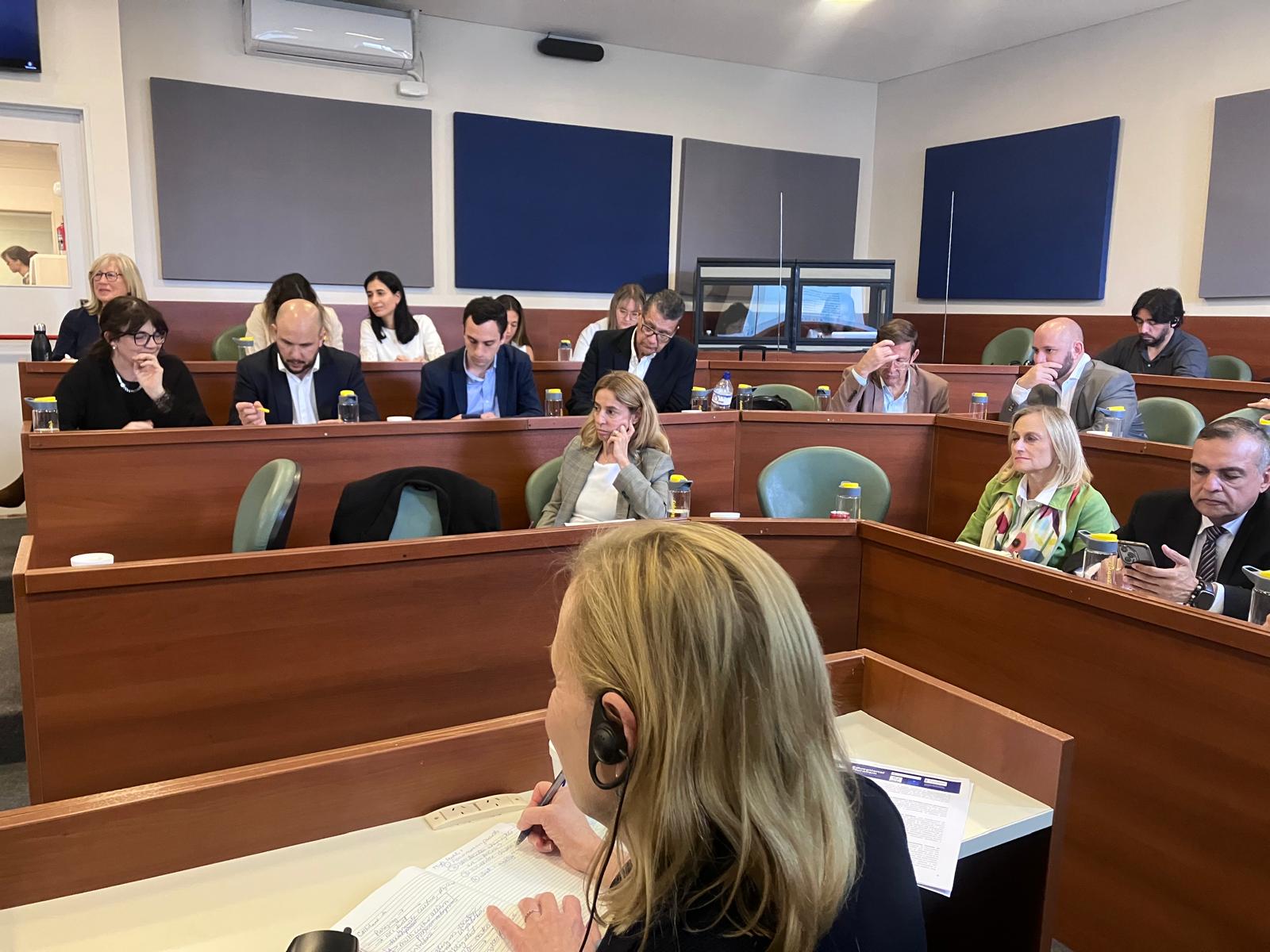
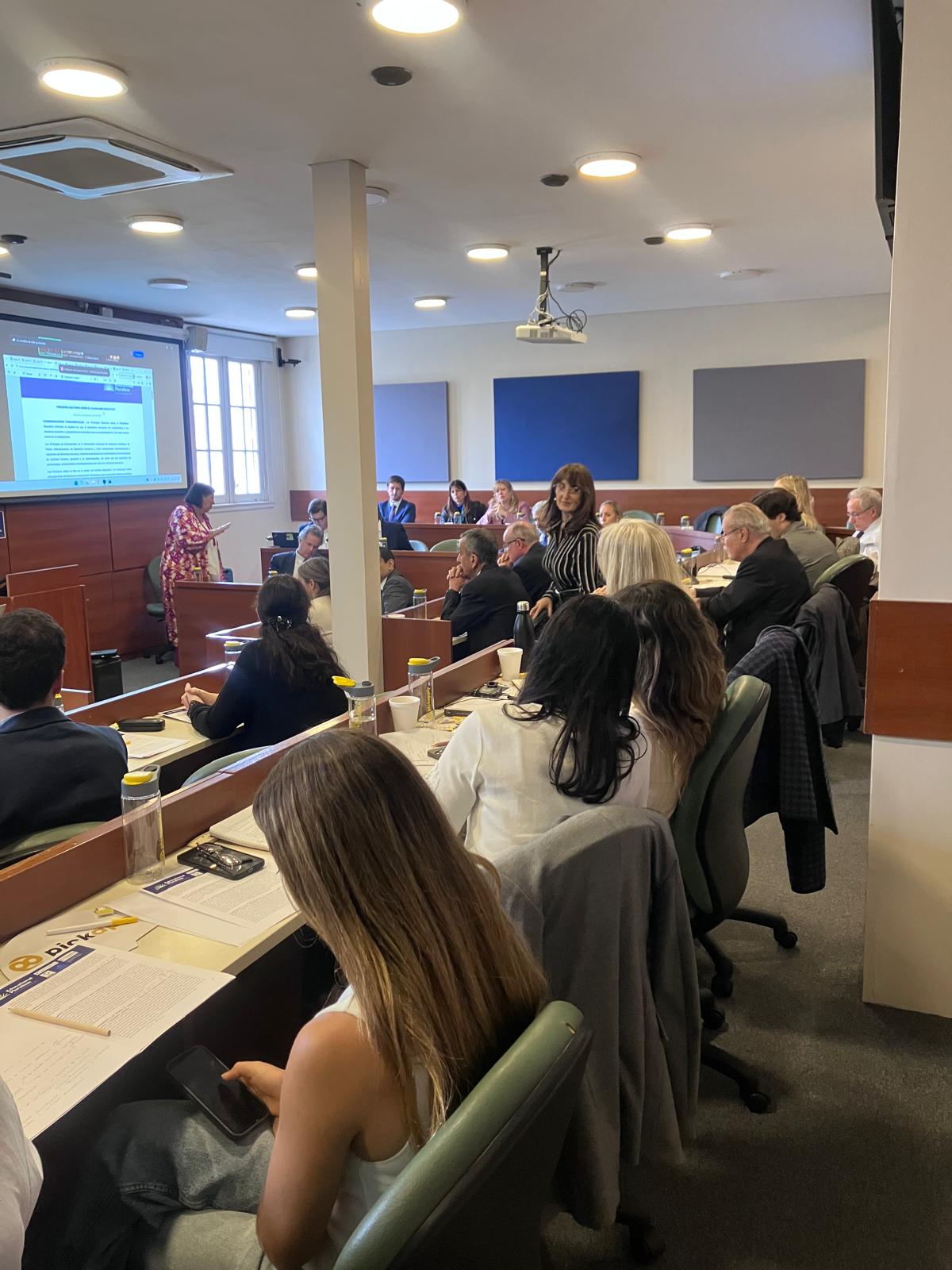
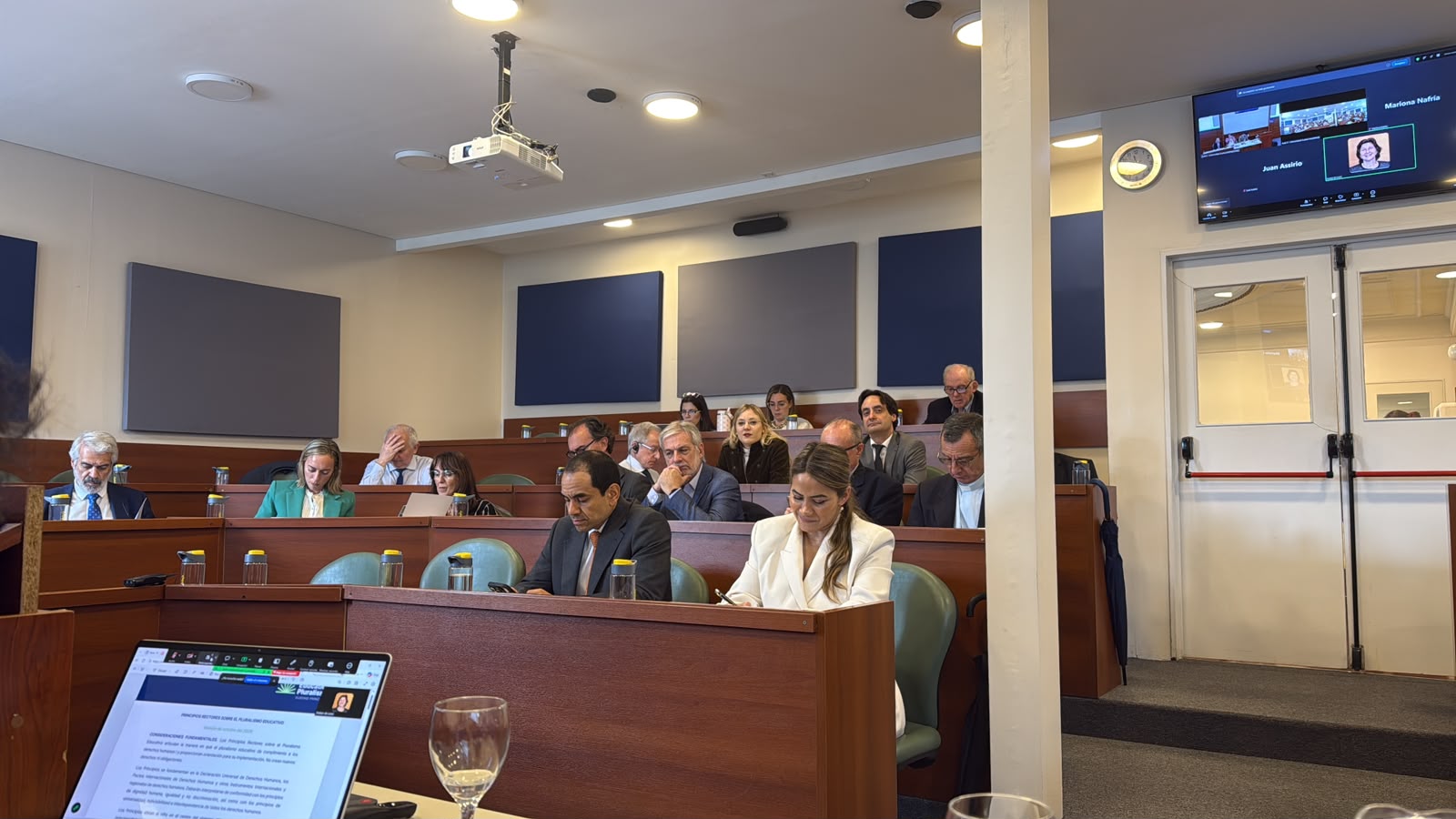
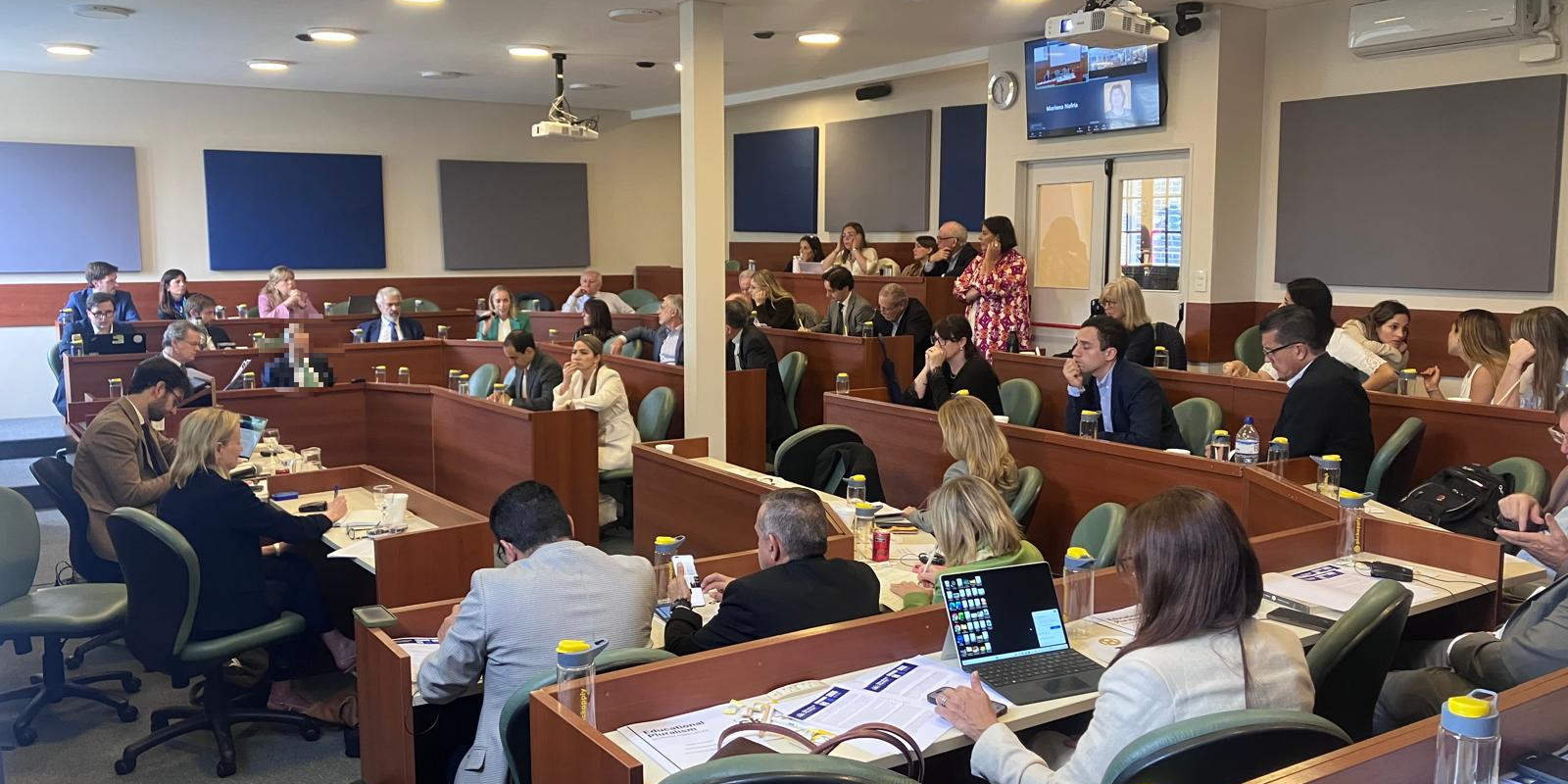
On 3 November 2026, the second day of the Latin American Events on Educational Pluralism, the Latin American Regional Consultation on the Guiding Principles on Educational Pluralism was held at Universidad Austral (Cerrito Campus) in Buenos Aires, Argentina.
The gathering of Latin American experts in education policy and the right to education in Buenos Aires provided an opportunity to hold a regional consultation as part of the international process of developing the Guiding Principles on Educational Pluralism.
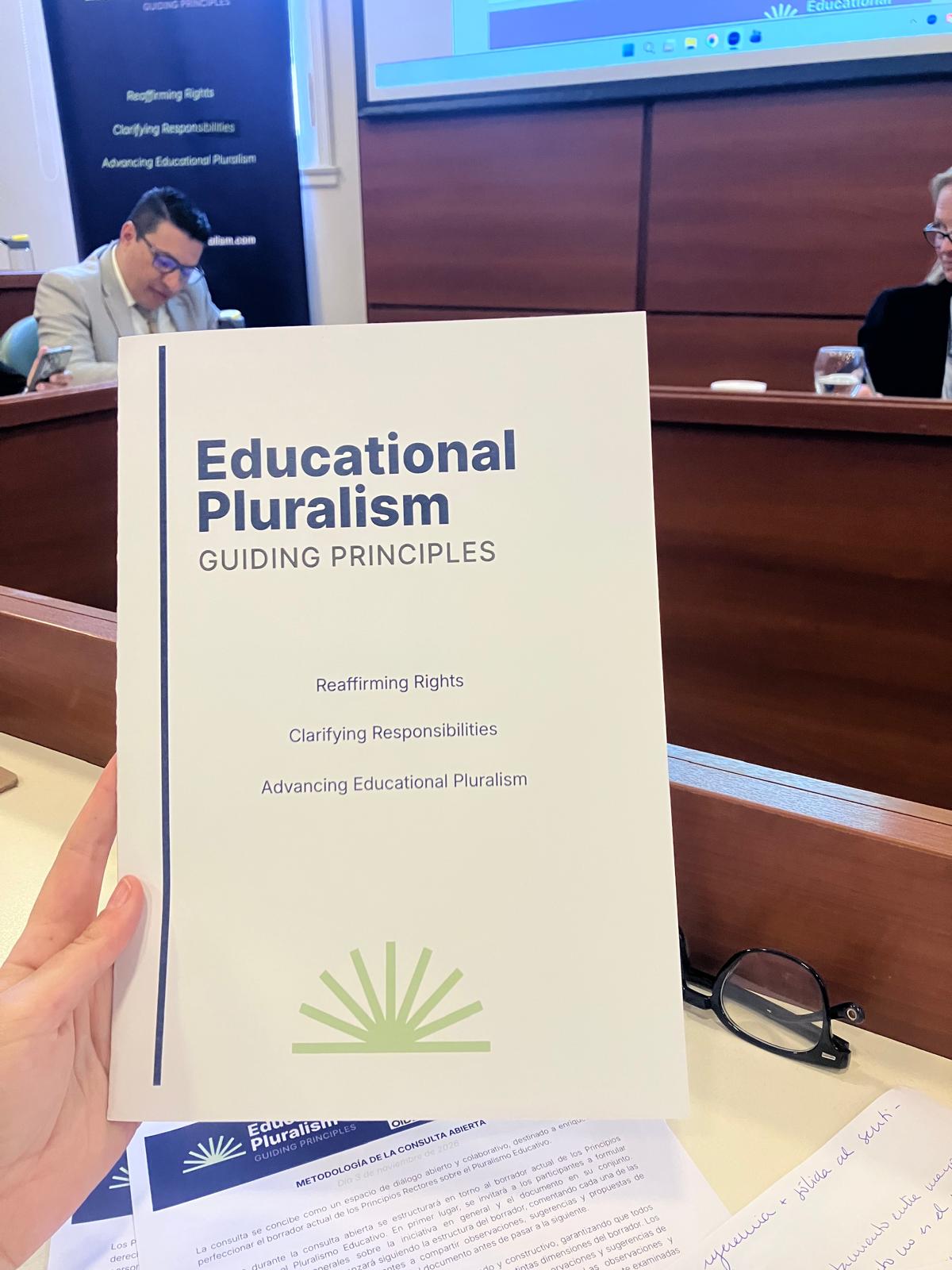
The Guiding Principles on Educational Pluralism are an international initiative aimed at developing a human rights-based framework to clarify the meaning and implications of educational pluralism, the recognition of education as a cultural right, and the educational rights of families.
More specifically, the document seeks to further develop the scope of parents’ right to choose their children’s education and the cultural dimension of the right to education, identifying States’ responsibilities to ensure educational systems in which these rights can be effectively exercised. It also seeks to recognize and highlight the role of non-governmental educational institutions and other non-State actors in building pluralistic educational systems capable of responding to the diversity of convictions, values, and needs of families and communities.
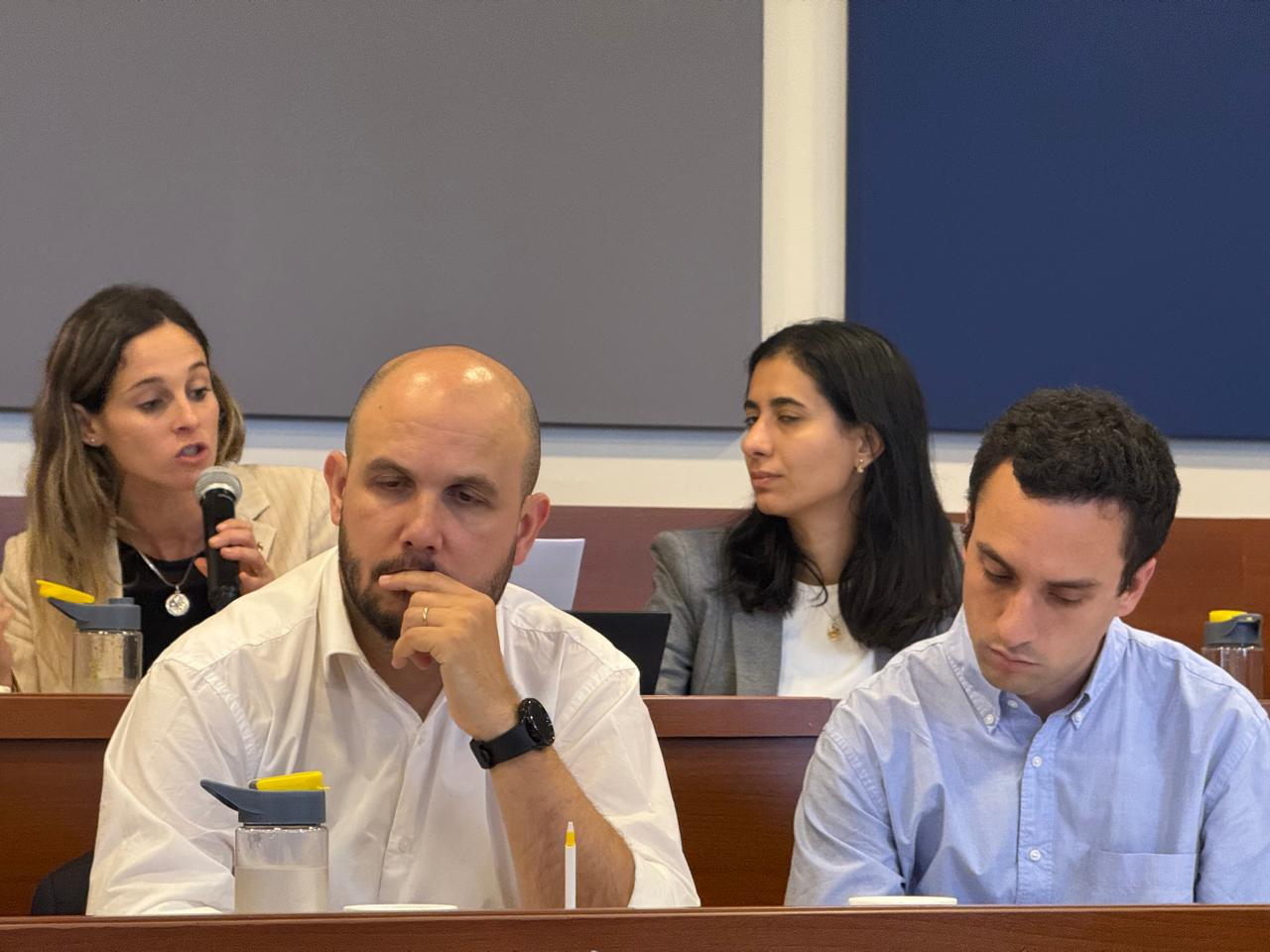
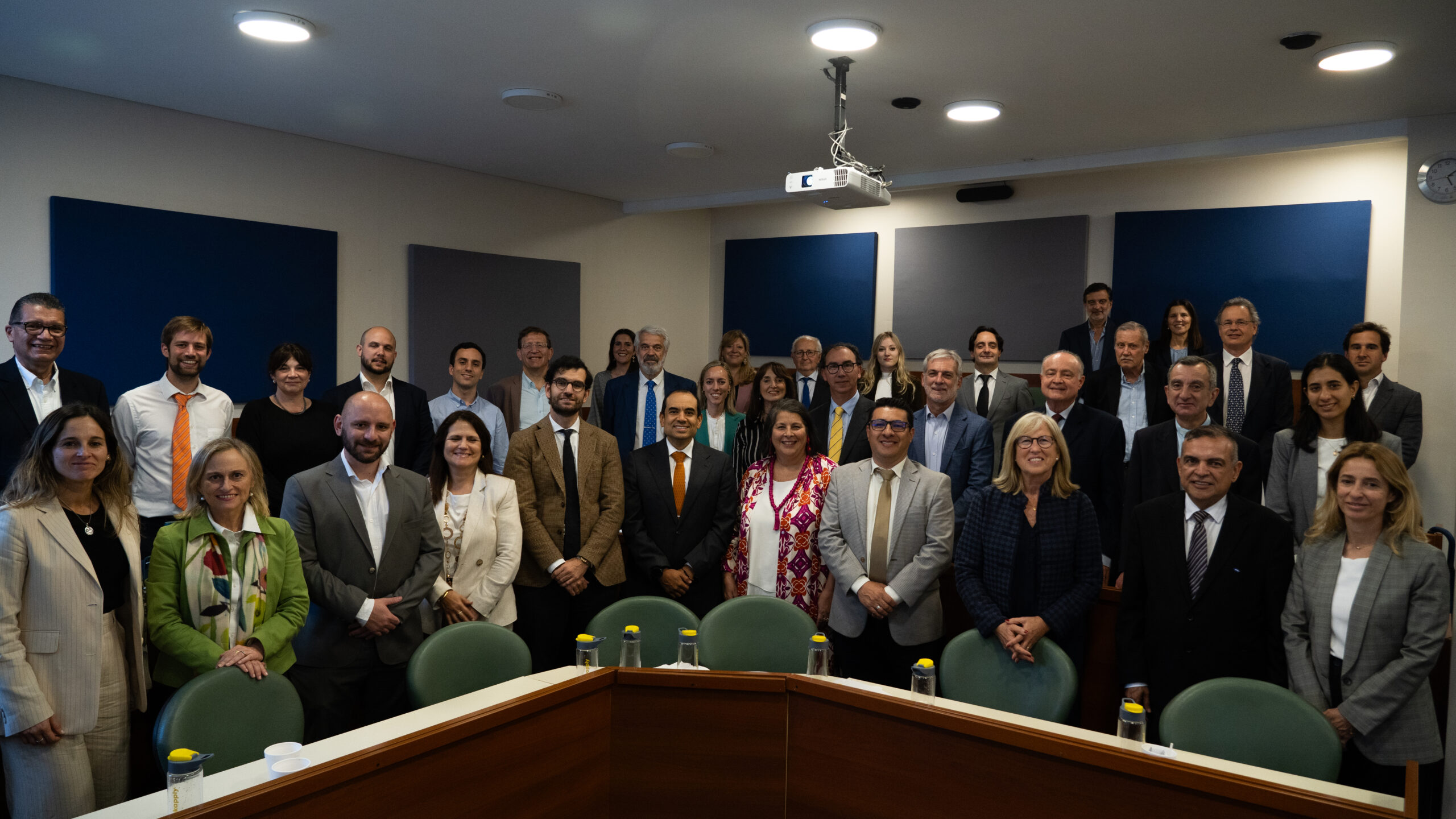
The consultation brought together 45 participants, including government representatives, current and former Ministers of Education from several Latin American countries, including Chile, Uruguay, Costa Rica, and Colombia. Legislators, policymakers, international law experts, and academics also took part, sharing their experiences and reflections on the challenges facing educational pluralism in the region.
From Formal Freedom to the Real Possibility of Choice.
One of the main ideas that emerged during the consultation was that the legal recognition of freedom of educational choice is not, in itself, sufficient to guarantee educational pluralism. For this right to be effectively exercised, three essential conditions were identified: the recognition of freedom of choice, the existence of genuinely diverse educational options, and the social and economic conditions that enable families to make informed choices and access the different options available.
Participants also emphasized that educational pluralism should not be understood exclusively from the perspective of parental rights. As individuals grow and develop their autonomy, they assume increasing responsibility for their own educational choices. In this regard, the importance of ensuring diverse educational opportunities throughout life was highlighted.
Educational Diversity as a Means of Promoting Human Flourishing.
Another issue discussed was the need to extend educational pluralism to teacher education. It was noted that the existence of different pedagogical models depends not only on the diversity of schools but also on ensuring that institutions responsible for training future teachers can represent different educational traditions and pedagogical approaches.
Furthermore, participants highlighted that educational diversity is not an end in itself, but rather a means of promoting human flourishing and the integral development of the person. From this perspective, educational pluralism seeks to recognize and guarantee the existence of different educational approaches capable of responding to the diverse needs, convictions, and aspirations of individuals and families.
Regarding the rights and responsibilities of the different actors involved in education, it was recalled that children are the primary rights holders of the right to education, while families have a fundamental responsibility to safeguard their best interests. States, in turn, have the obligation to guarantee this right in cooperation with families and communities.
Educational Pluralism as a Shared Responsibility and a Foundation for Democratic Society.
The discussions also highlighted the importance of moving beyond an understanding of educational systems based on the opposition between public and private education. Instead, participants emphasized the need to understand education as a shared responsibility, in which both the State and civil society play essential roles in ensuring access to quality education that respects different cultural, philosophical, and pedagogical convictions.
In this context, it was noted that educational pluralism contributes to strengthening democratic societies by recognizing the legitimacy of different educational traditions and encouraging civil society’s participation in education. The coexistence of different educational projects within a shared civic framework makes it possible to reconcile diversity of convictions with the common values necessary for life in society.
Finally, participants reflected on the challenges posed by the growing presence of technology in education. In light of the risks of standardization of educational content and teaching methods, the importance of preserving diverse pedagogical approaches, cultural perspectives, and institutional identities was emphasized, ensuring that technological innovation remains compatible with educational pluralism.
The consultation concluded with an exchange of reflections and proposals that will contribute to the ongoing development of the Guiding Principles on Educational Pluralism. The contributions gathered will help incorporate the experiences and specific characteristics of Latin American educational systems into an international document aimed at providing a reference framework for the recognition and effective protection of educational pluralism.