Buenos Aires (Argentina), 2 November 2026
From 2 to 4 November 2026, Buenos Aires (Argentina) hosted a series of international events on educational pluralism, organized by OIDEL and the Institute for Education Policy of the Johns Hopkins University, as part of the Guiding Principles on Educational Pluralism initiative.
The events aimed to bring together Latin American experts in education policy and the right to education to reflect on the current state of educational systems across the region, paying particular attention to the extent to which these systems recognize parents’ right to choose their children’s education, the understanding of education as a cultural right and a means of transmitting values, and the diversity of educational models.
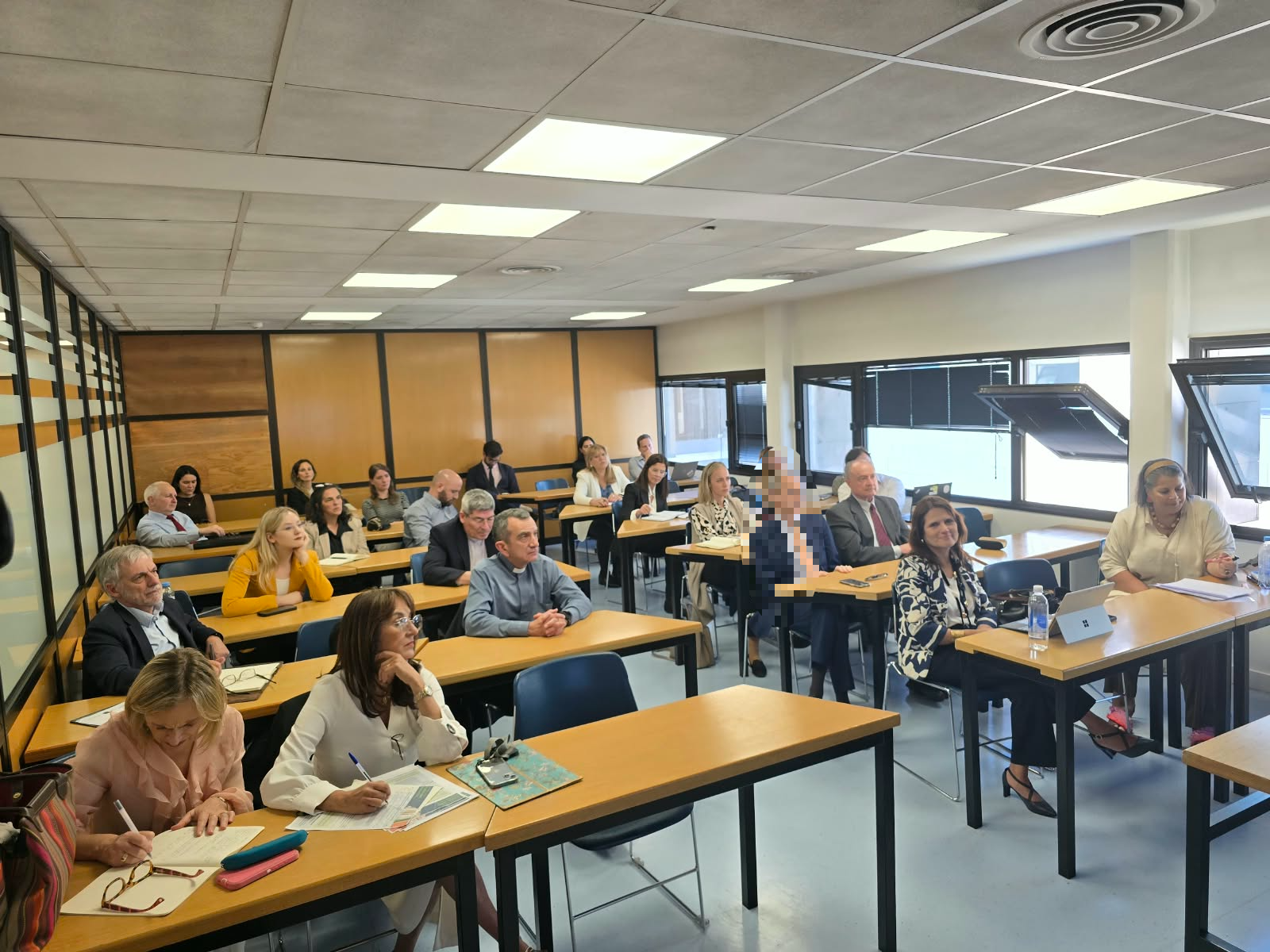
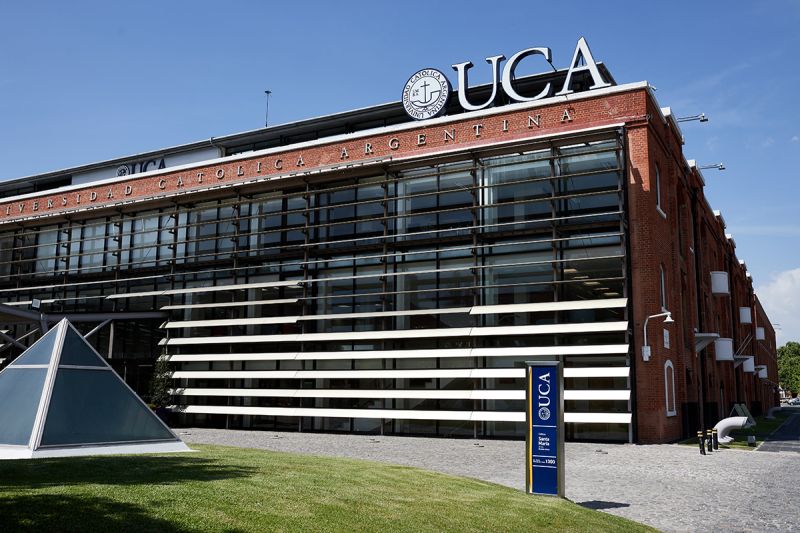
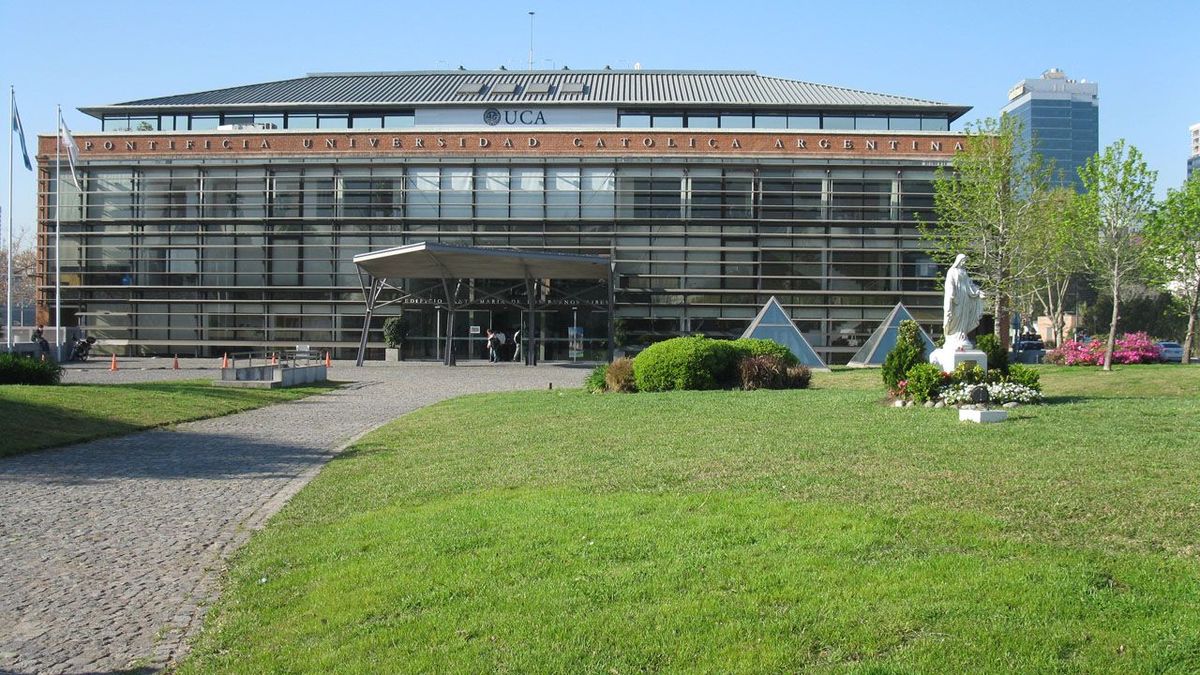
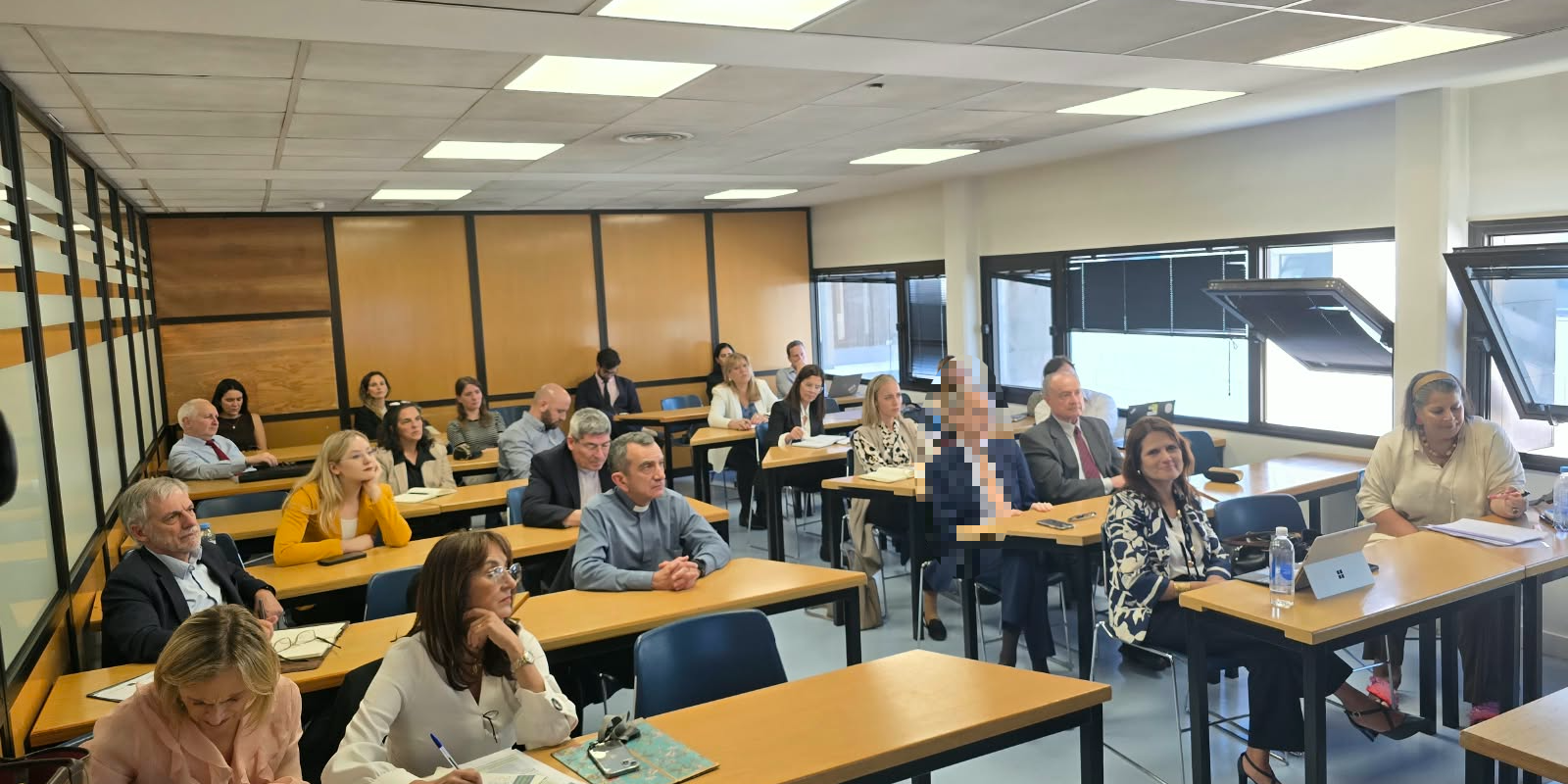
The events began on 2 November with an introductory session at the Pontifical Catholic University of Argentina (UCA), dedicated to examining the right to education from a human rights perspective. The purpose of this first session was to establish a common legal framework for the discussions that would take place over the following days, exploring the international and regional instruments that recognize and develop the right to education, particularly regarding parental freedom of choice and the understanding of education as a process that goes beyond the mere transmission of academic knowledge.
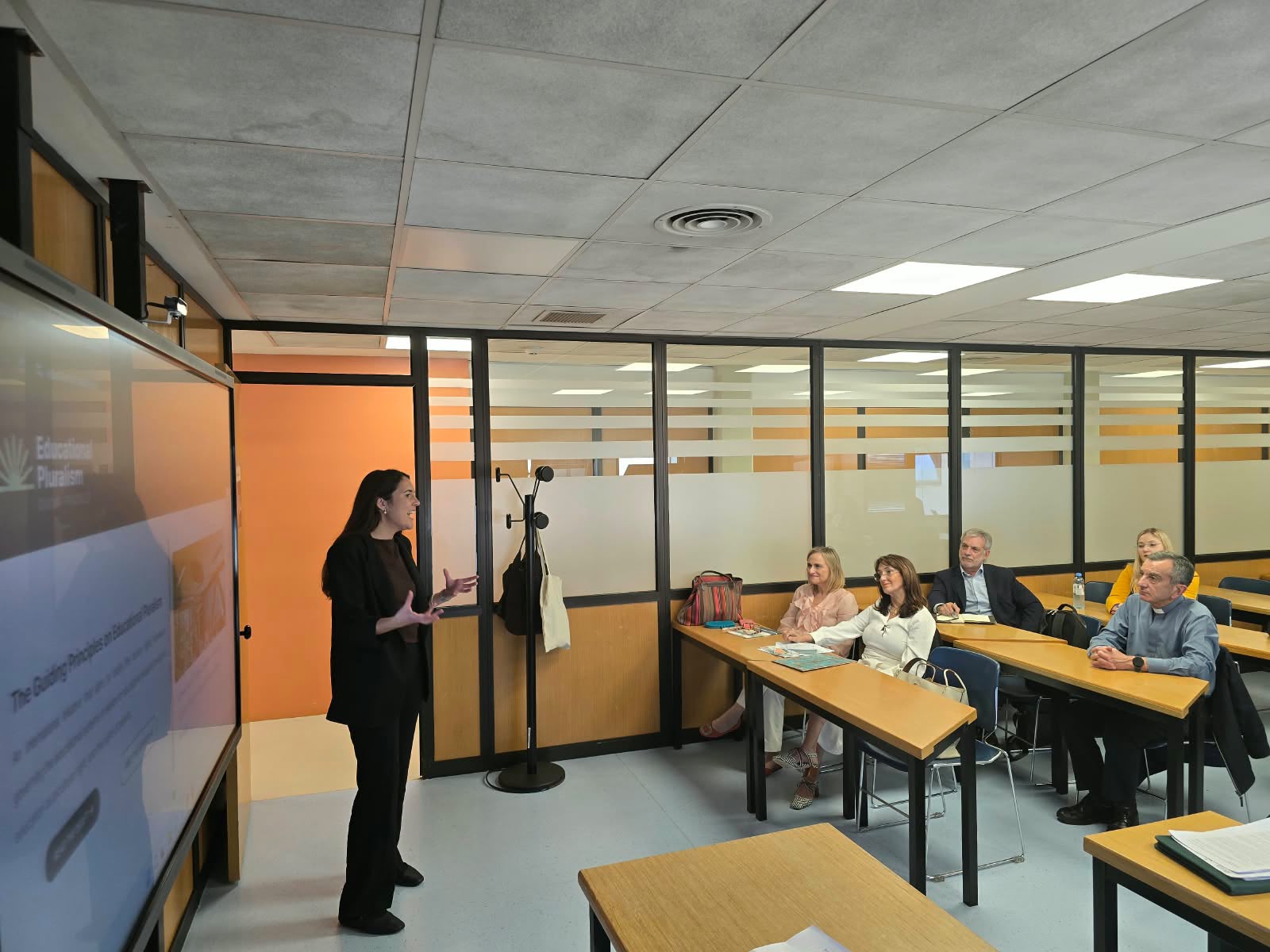
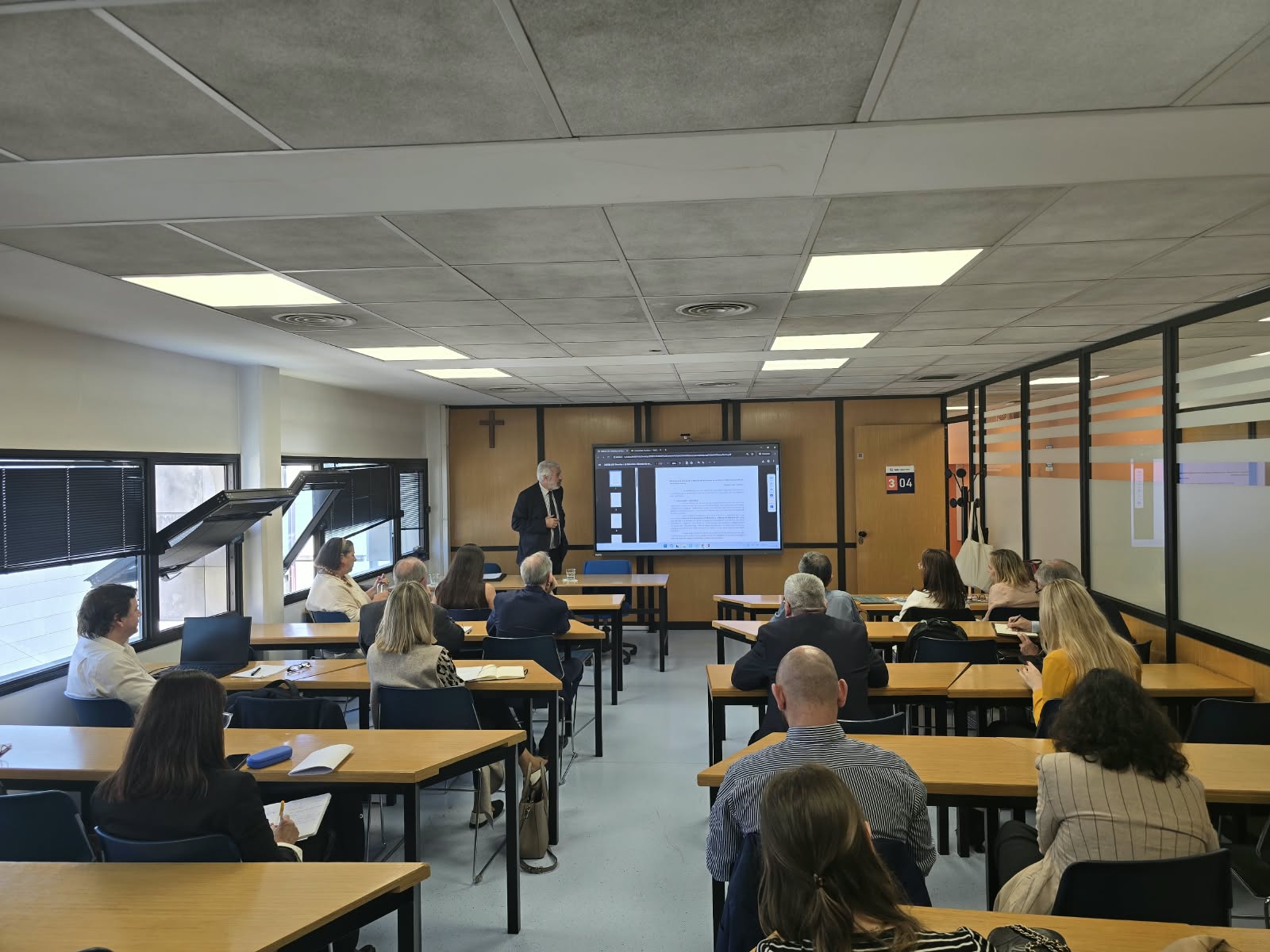
The session was structured around three presentations delivered by Professor Juan Navarro Floria, Professor Ana María Celis Brunet, and Ignasi Grau i Callizo, Director General of OIDEL.
Professor Juan Navarro Floria opened the session with a presentation on binding international law (hard law) concerning education. He reviewed the main international legal instruments recognizing and regulating the right to education, tracing the evolution of its legal protection from its inclusion in the Universal Declaration of Human Rights to subsequent international treaties. His presentation helped place the recognition of freedom of education and parental rights within the broader international human rights framework.
Professor Ana María Celis Brunet then addressed the Latin American regional legal framework and the diversity of educational systems across the region. She examined the main regional human rights instruments that further develop the right to education and highlighted the significant differences among Latin American countries in their recognition and protection of educational pluralism, particularly regarding parents’ freedom to choose their children’s education. In this context, she identified Chile as one of the countries in the region with a particularly favorable framework for educational pluralism, highlighting funding mechanisms designed to facilitate parental choice of schools.
Finally, Ignasi Grau i Callizo focused on the development and interpretation of the right to education within non-binding international instruments (soft law). He explained that, although these instruments play a fundamental role in interpreting and clarifying the rights recognized in international treaties, the development of parents’ right to choose their children’s education remains limited and, at times, ambiguous. He also noted that some recent interpretations of these instruments reflect a restrictive approach to the scope of parental rights in education, highlighting the need for a clearer and more comprehensive understanding of freedom of education and educational pluralism.
Against this background, he introduced the international Guiding Principles on Educational Pluralism initiative, led by OIDEL and the Institute for Education Policy of the Johns Hopkins University. The initiative aims to develop a framework of principles that will help clarify the meaning and implications of educational pluralism from a human rights perspective, providing guidance for its recognition and implementation across different educational systems.
The session concluded with an open discussion, during which participants had the opportunity to exchange views on the issues addressed, share their experiences, and identify the main challenges and concerns surrounding educational pluralism in their respective countries.
This first meeting helped establish a common legal and conceptual foundation for the discussions that followed, particularly the Latin American Regional Consultation on the Guiding Principles on Educational Pluralism, held on 3 November.